Now Welcoming New Patients

Wisdom Teeth Removal: What North Vancouver Patients Need to Know
Understanding Wisdom Teeth Removal and When Oral Surgery Is Recommended
Wisdom teeth, or third molars, are the last set of teeth to emerge, usually appearing in late adolescence or early adulthood. While some individuals experience no issues with their wisdom teeth, for many, these molars can lead to complications that require professional intervention. Wisdom teeth often become impacted, meaning they don’t have enough space to emerge or they grow at an angle. This can crowd other teeth, cause misalignment, and even contribute to infections or cysts if left untreated.
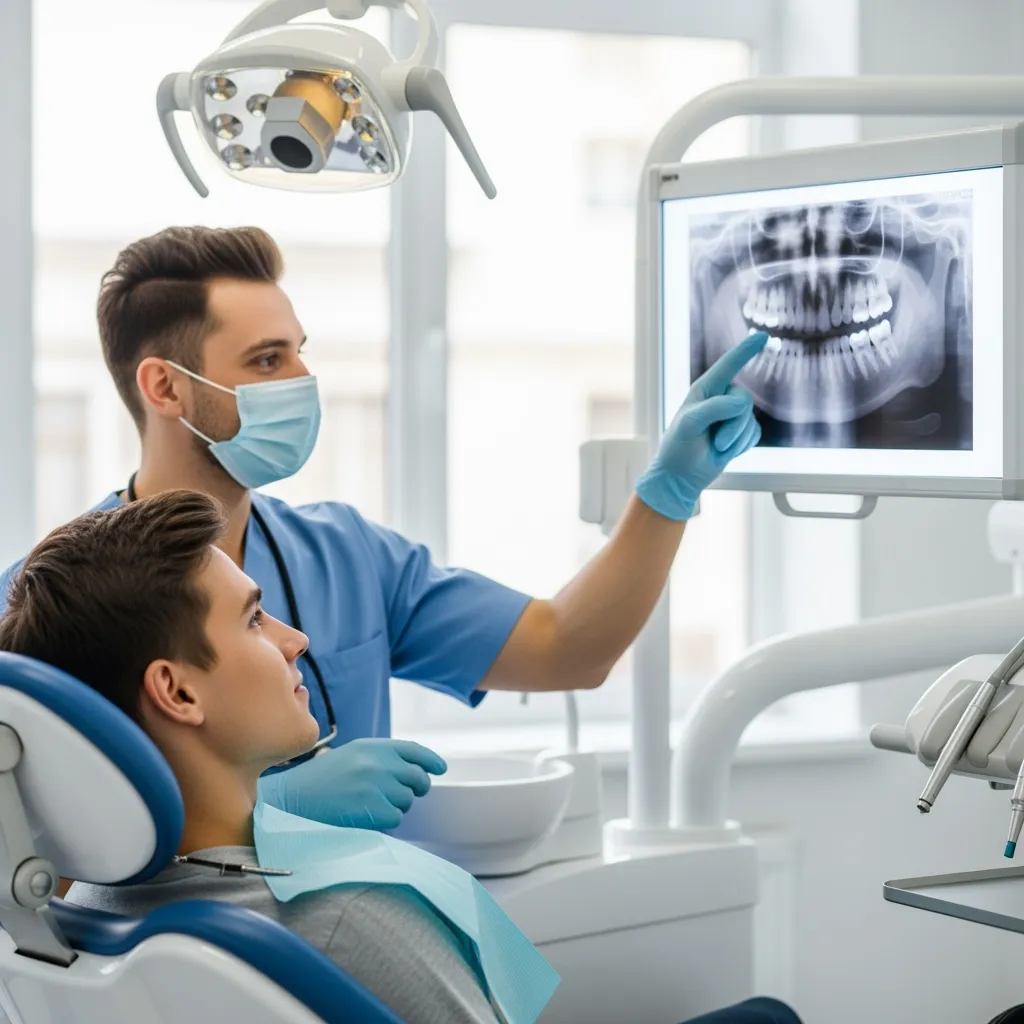
Dentists look for several signs before recommending wisdom teeth removal. These include pain at the back of the mouth, swelling, repeated infections in the gums around the wisdom teeth, and evidence of tooth decay or gum disease in the area. X-rays and dental exams help determine whether the teeth are likely to cause future problems, even if you’re not experiencing discomfort yet.
Removing wisdom teeth is a form of preventive dental care. By addressing potential issues early—especially in teens and young adults—dentists can help prevent more serious oral health complications later on. Early assessment not only makes the extraction process easier but also supports a smoother recovery and better long-term dental health, which is why regular checkups remain so important for all ages.
What to Do Before Your Appointment: Exams, Imaging, and Practical Planning
Preparation for wisdom teeth surgery starts well before the day of your procedure. Your dentist will conduct a detailed examination, often accompanied by dental X-rays, to assess the position of your wisdom teeth and the condition of surrounding tissues. These images help your dental team develop a treatment plan tailored to your unique needs, considering factors such as tooth alignment, proximity to nerves, and potential complications.
Before surgery, you'll receive specific instructions. If sedation or general anesthesia is planned, you may be asked not to eat or drink for several hours prior to your appointment. These guidelines help ensure your safety throughout the procedure. You might also be advised to avoid certain medications, practice extra careful oral hygiene, and wear comfortable clothing on the day of surgery.
Don’t overlook practical arrangements such as securing a ride home. Sedation and anesthesia can affect your alertness, so you’ll need a trusted adult to drive you after your appointment. It’s also wise to prepare your home for your recovery: stock your fridge with soft foods like yogurt, applesauce, and soups; set up a comfortable rest area; and have any prescribed medications ready. These small steps pave the way for a more comfortable and worry-free healing process.
Day of Surgery: Anesthesia, Sedation, and What to Expect at the Dental Office
The day of your wisdom teeth surgery may bring some nerves, but knowing what to expect can ease anxiety. Typically, your dental team will use either local anesthesia (to numb the surgical area), sedation (to relax you and reduce awareness), or both. The choice depends on your health profile, the complexity of your case, and your personal comfort level.
Upon arrival at the dental office, you’ll review your treatment plan and aftercare instructions with your dentist or oral surgeon. They will explain each stage of the procedure—from administering anesthesia to the removal itself—and answer any last-minute questions you may have. This conversation is an important part of the process, as it helps you understand what’s happening and fosters trust.
During surgery, your comfort is the top priority. Most patients report feeling pressure but little or no pain, thanks to the anesthesia. The team will monitor your vital signs and well-being throughout. After the procedure, you’ll remain at the clinic for a brief observation period until it’s safe to go home. If you experience anxiety, deep breathing, and mindfulness techniques can be helpful, and the dental staff is there to support you every step of the way.
Healing Well After Wisdom Teeth Removal: Rest, Diet, and Activity Guidelines
A smooth recovery after wisdom teeth surgery starts with rest. Most patients need several days to recuperate, and it’s best to avoid strenuous activities—such as exercise, sports, or heavy lifting—until your dentist gives the all-clear. Resting helps your body focus on healing and reduces the risk of complications.
Your diet plays a major role in the recovery process. For the first few days, stick to soft, cool foods that require minimal chewing and won’t irritate the surgical area. Options like smoothies, scrambled eggs, mashed potatoes, and broths are ideal. Avoid hot foods, crunchy snacks, and anything that could disturb the extraction sites, such as chips or nuts. Also, refrain from using straws, as the suction can disrupt healing.
Oral hygiene remains important, but you’ll need to be gentle. Your dentist may recommend rinsing your mouth with a saline solution or a prescribed mouthwash, but avoid vigorous swishing or brushing directly over the surgical sites. As healing progresses, you can gradually return to your normal routine. Always follow your dentist’s timeline for resuming regular activity—these guidelines are designed to protect your comfort and ensure optimal results.
Managing Pain, Swelling, and Follow‑Up Dental Care for a Safe Recovery
Pain and swelling are common after wisdom teeth removal, but with the right strategies, you can keep discomfort to a minimum. Your dentist will likely recommend a pain management plan, which may include prescription medication or over-the-counter pain relievers. Take all medications exactly as directed and don’t hesitate to ask your dental team if you have questions about dosing or timing.
To control swelling, apply ice packs to your cheeks in short intervals—usually 20 minutes on, 20 minutes off—during the first 24 to 48 hours after surgery. Elevating your head with extra pillows while resting can also help reduce swelling. Avoid touching or poking the surgical area and do not engage in aggressive rinsing, spitting, or using straws in the initial recovery period, as these can disturb the healing process.
It’s important to be aware of signs that may indicate complications, such as severe pain, prolonged bleeding, swelling that worsens after a few days, or signs of infection (like fever or pus). If you notice any of these, contact your dental office promptly. Your dentist will schedule a follow-up visit to assess your healing and offer additional guidance. Maintaining open communication and attending regular dental checkups supports safe recovery and sets the stage for continued oral health.