Now Welcoming New Patients

Why Fluoride Is Essential for Kids’ Teeth: Expert Dental Insights
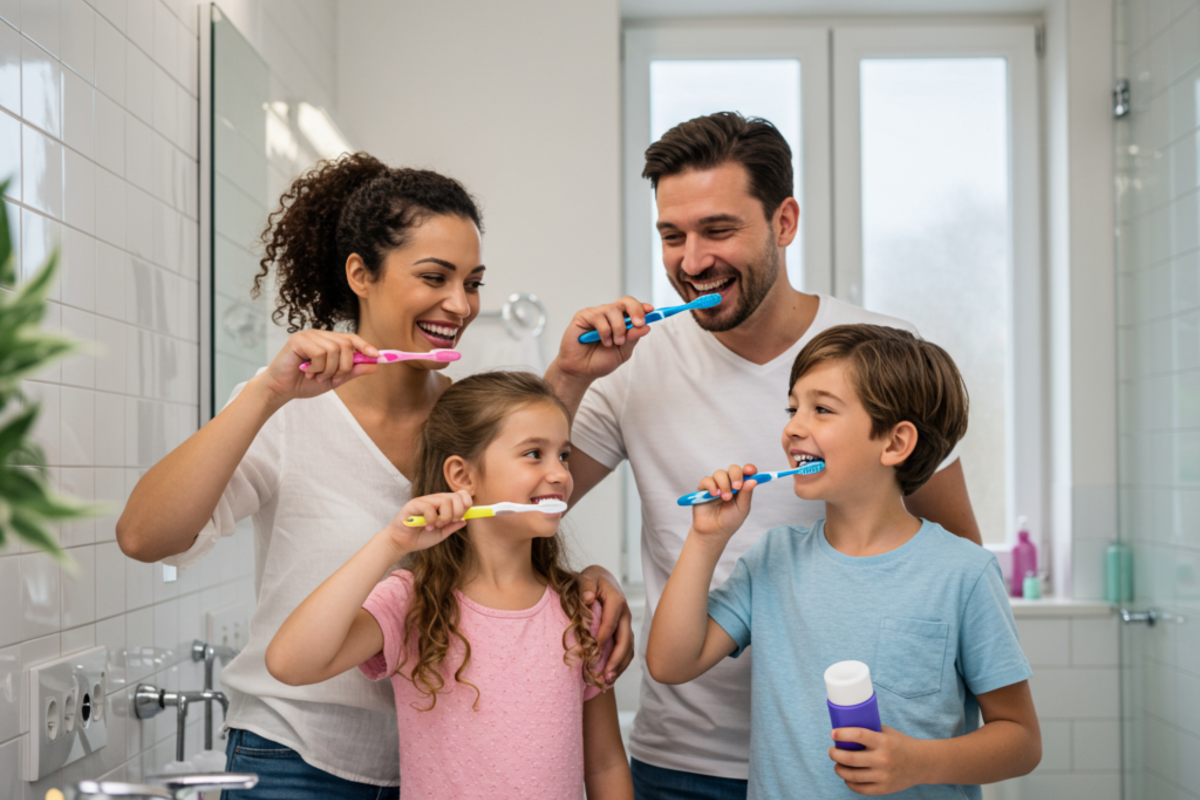
If you ask ten parents about fluoride, you may hear ten slightly different answers. Some see it as basic cavity prevention. Some worry it is overused. Some have only heard bits and pieces from family, social media, or a rushed visit to the dentist.
I get why it feels confusing. Anything related to children’s health tends to attract strong opinions. But fluoride itself is not mysterious. It has one main job, and it does that job well: it helps protect teeth from decay.
That matters a lot in childhood.
Cavities are one of the most common health problems in kids, and they are not a small issue just because baby teeth are temporary. Tooth decay can hurt, interrupt sleep, affect eating, and make school days harder than they need to be. It can also lead to fillings, infections, or more involved dental care at a young age. Fluoride helps lower that risk.
Here is what fluoride does, why it matters so much for children, and how families can use it safely and sensibly.
What fluoride actually does
Teeth are in a constant tug-of-war.
Every day, acids from bacteria and food wear away tiny amounts of enamel. That process is called demineralization. At the same time, minerals from saliva and fluoride can help repair those early weak spots. That repair process is called remineralization.
Fluoride tips the balance in your child’s favor.
It strengthens enamel and helps early damage repair before it turns into a real cavity. It also makes teeth more resistant to future acid attacks. In simple terms, fluoride gives enamel a better chance to recover after the normal wear and tear of eating and drinking.
This is one reason fluoride works so well when used regularly in small amounts. It is not a one-time fix. It is more like steady support. A little exposure, over and over, helps teeth stay stronger.
That is also why fluoridated toothpaste matters so much. Many parents think of brushing mainly as plaque removal, which is fair, but brushing with fluoride does more than cleaning. It delivers protection right where it is needed.
Why children’s teeth need the extra help
Children’s teeth are more vulnerable to decay than many people realize.
New teeth, whether baby teeth or newly erupted permanent teeth, are still maturing after they come in. Their enamel benefits from fluoride exposure during those early years. Kids also tend to snack more often, sip juice or milk over time, forget to brush thoroughly, or rush through bedtime routines. None of that makes them careless. It just makes them kids.
Then there is the way cavities start. Early decay often does not announce itself dramatically. A child may not complain until the cavity is already fairly deep. By that point, the solution may be more than a small filling.
Fluoride helps because it works before the problem becomes obvious. That is the part I think gets overlooked. Prevention is quiet. It does not feel urgent, and it does not create a dramatic before-and-after story. But it is often the difference between a routine checkup and a child needing restorative dentistry much earlier than anyone expected.
Baby teeth are temporary, but they still matter
I still hear this a lot: “They are just baby teeth.”
I understand the instinct. Baby teeth do fall out. But they do real work while they are here.
Baby teeth help children chew comfortably, speak clearly, and hold space for adult teeth. They also affect confidence. A child with tooth pain may avoid smiling, avoid certain foods, or wake up at night. That can ripple into mood, concentration, and behavior.
When baby teeth get large cavities, the consequences can be bigger than many parents expect. A child may need fillings, crowns, extractions, or treatment for infection. In more difficult cases, severe decay can lead to oral surgery or treatment under sedation or general anesthesia. Nobody wants a child to go through that if it can be prevented.
Fluoride is not the only answer, but it is one of the simplest and most effective tools in pediatric dentistry.
Where children get fluoride
Most children get fluoride from a few common sources.
The first is toothpaste. For many families, this is the most consistent and practical source of fluoride, especially because water fluoride levels vary by community.
The second is drinking water. In some places, public water contains fluoride at levels meant to help prevent cavities. In others, it does not. Families who use well water should not guess. Testing matters, because natural fluoride levels can be low, absent, or occasionally higher than expected.
The third is professional fluoride treatment, often called fluoride varnish. This is a concentrated fluoride coating applied to teeth during a dental visit. It takes only a few minutes and is especially helpful for children at higher risk of cavities.
Sometimes a dentist or physician may recommend fluoride supplements, but only in specific situations, usually when a child has a high cavity risk and limited fluoride exposure from water. This is not something to start casually. The right amount depends on age and existing fluoride intake.
How much fluoride toothpaste should a child use?
This is where people often get tangled up, but the guidance is fairly straightforward.
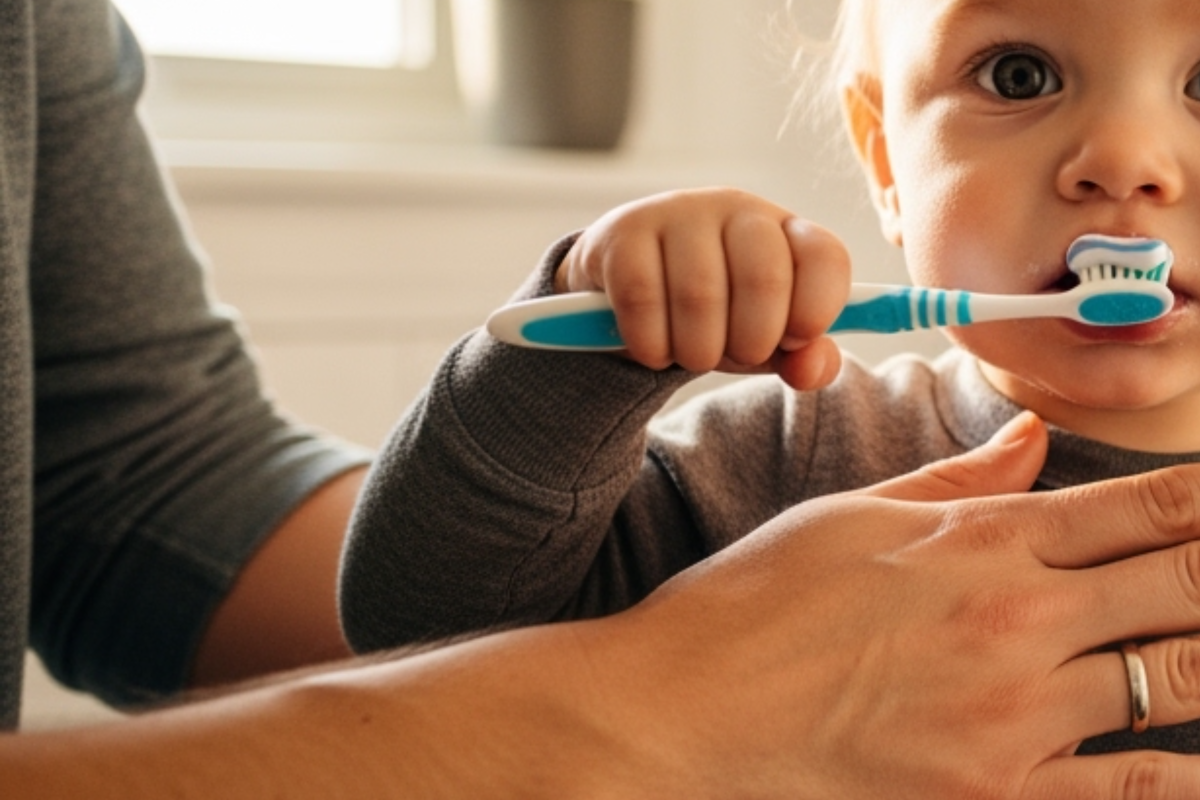
- From the first tooth until age 3, use a smear of fluoridated toothpaste, about the size of a grain of rice.
- From age 3 to 6, use a pea-sized amount.
- After that, keep brushing twice a day with fluoridated toothpaste, and continue to supervise until your child can do a thorough job.
Supervision matters more than many people think. Young children often chew the toothbrush, miss the back teeth, or swallow toothpaste. A parent does not need to turn brushing into a tense event, but a quick “let me finish the hard parts” at the end can make a real difference.
Bedtime brushing deserves extra attention. Saliva flow drops during sleep, which means teeth have less natural protection overnight. If there is one brushing session you do not want to skip, it is the one before bed.
Many dentists also suggest teaching children to spit out toothpaste after brushing rather than rinse with lots of water. The idea is simple: leaving a small amount of fluoride on the teeth gives it more time to work.
Is fluoride safe?
Used as recommended, yes.
That short answer is supported by a lot of research and many decades of real-world use. But I think people deserve the longer answer too, because “safe” is more reassuring when you understand the boundaries.
Fluoride is beneficial in the right amount. Too little means less protection against cavities. Too much, especially swallowed regularly while teeth are still developing, can lead to fluorosis.
Dental fluorosis usually shows up as faint white streaks or spots on the teeth. In mild cases, it is mainly a cosmetic issue and does not affect tooth function. More noticeable fluorosis is less common and usually linked to frequent overexposure during early childhood.
That is why dosage matters. It is also why children should use only a small amount of toothpaste and why parents should keep toothpaste where very young kids cannot treat it like a snack.
The dose makes the difference. That is true for fluoride, and honestly, it is true for most things in health care.
If you are unsure how much fluoride your child is already getting through water, toothpaste, or supplements, ask your dentist. Guesswork is not helpful here.
Which children may need extra fluoride?
Some children are more cavity-prone than others, even in families with decent routines.
A child may need closer monitoring or more fluoride support if they:
- have had cavities before
- snack frequently, especially on sticky or sugary foods
- sip juice, sweetened drinks, or milk over long periods
- wear braces or other orthodontic appliances
- have sensory challenges that make brushing difficult
- take medications that reduce saliva
- have special health care needs that affect oral hygiene
- live in an area with little fluoride in the water
This is where individualized dental care matters. Two children of the same age can have very different cavity risk. One may do well with brushing and regular checkups. Another may benefit from fluoride varnish every few months and more hands-on home support.
That is not a failure on anyone’s part. Some mouths are just harder to protect.
Fluoride and children with special needs
This deserves its own mention.
Children with developmental, physical, sensory, or medical differences often face extra barriers to oral hygiene. Brushing may be uncomfortable. Certain textures or tastes may trigger resistance. Some medications can dry the mouth, which raises cavity risk. Soft diets or frequent snacking can also complicate things.
In those cases, fluoride becomes even more valuable because it adds protection without demanding much extra effort from the child. A small amount of fluoridated toothpaste, regular parent assistance, and professional fluoride varnish can do a lot of heavy lifting.
I think this is one of the most practical strengths of fluoride. It does not require perfection. It helps even when routines are messy, and many family routines are messy.
What fluoride does not do
Fluoride is helpful, but it is not magic.
It will not cancel out constant grazing on sugary snacks. It will not fix a cavity that has already formed into a hole. It will not replace brushing technique, flossing, regular exams, or thoughtful eating habits.
And it does not make a child “cavity-proof.” Some children still get decay despite using fluoride, especially if other risk factors are strong.
So it helps to think of fluoride as part of a system:
- consistent brushing
- smart snack and drink habits
- routine dental care
- early attention when something looks off
That system is far more effective than any single product.
A simple daily routine that makes fluoride work better
Parents do not need a complicated plan. They need one they can repeat.
A realistic routine often looks like this:
Brush in the morning and at bedtime with fluoridated toothpaste. For younger children, an adult applies the toothpaste. For school-age children, an adult still checks the brushing or finishes the tricky spots. Keep sugary drinks occasional rather than constant. Offer water between meals. See a dentist regularly so early weak spots can be caught before they become cavities.
That is not glamorous advice, I know. But boring routines are often the ones that work.
If mornings are chaotic, focus on protecting bedtime brushing like it is non-negotiable. If your child fights brushing, try a timer, a song, a visual schedule, or brushing together. If toothpaste taste is the issue, ask about child-friendly options that still contain fluoride.
Why this matters beyond childhood
The goal is not just to get through the baby tooth years with fewer fillings. The goal is to set up a healthier mouth for the long run.
Children who avoid early decay often have better dental experiences. They are less likely to associate the dentist with pain. They learn that checkups are ordinary, not scary. They may need less restorative dentistry later, and they may be less likely to face treatments such as endodontics or extractions that started with preventable decay years earlier.
And while services like teeth whitening, dental implants, or adult cosmetic work get plenty of attention, none of them replace the value of strong natural teeth. Prevention still beats repair. It is cheaper, easier, and far less stressful.
That may sound obvious, but it is worth saying plainly.
Questions parents can ask at the next dental visit
If you want practical guidance without getting lost online, ask direct questions.
A few useful ones are:
- Is my child at low, moderate, or high risk for cavities?
- How much fluoride toothpaste should we use at home?
- Would fluoride varnish help in my child’s case?
- Do we need to know the fluoride level in our water?
- Are there signs of early decay or weakened enamel?
- Is my child brushing well enough, or should I still be helping?
A good pediatric dentistry visit should make these answers feel clear, not vague.
For families trying to make sense of it all
If you are a parent in North Vancouver trying to sort through conflicting advice, here is the plain version.
Fluoride matters because children’s teeth are under constant attack from acids and bacteria, and fluoride helps those teeth repair, strengthen, and resist decay. It is safe when used properly. It is especially useful because it works quietly, over time, before a cavity becomes painful or expensive to treat.
There is no need to turn it into a debate every time your child brushes their teeth.
Use the right amount of fluoridated toothpaste. Help your child brush well. Ask about fluoride varnish if your child has a higher cavity risk. Find out what is in your water if you are unsure. Keep the routine steady.
A lot of oral health advice gets overcomplicated. This part does not have to be. Fluoride is one of the most reliable tools we have for protecting children’s teeth, and for many families, it is doing more good than they realize every single day.