Now Welcoming New Patients

Tooth Sensitivity Explained: Causes, Care, and Lasting Relief
That Sudden Tooth Zing: What Sensitivity Is and Why It Matters
Tooth sensitivity is a common dental concern that can catch you off guard—a sharp, sudden zing radiates from a tooth when you sip a hot coffee, bite into ice cream, or even inhale cold air. At its core, tooth sensitivity (or dentin hypersensitivity) is a response to stimuli that reach the nerves inside a tooth through exposed dentin—the layer beneath your enamel. This sensation is more than just an annoyance; it can disrupt daily routines, making favorite foods and drinks sources of pain instead of enjoyment.
While mild sensitivity is often brushed off, persistent or severe discomfort should not be ignored. Sensitivity may indicate underlying dental issues, such as enamel loss, gum recession, or even cavities. Left unchecked, these problems can escalate, impacting your ability to maintain oral hygiene and overall well-being. Understanding tooth sensitivity empowers you to take proactive steps—both at home and with help from your dental care team—to preserve comfort and protect your smile for the long term.
Why Teeth Become Sensitive: Common Causes You Should Know
The causes of tooth sensitivity are varied, but most stem from one underlying issue: exposure of the tooth’s inner layers. Your teeth are protected by enamel, the hardest substance in your body, but enamel can wear away over time. Acidic foods and drinks (like citrus fruits, sodas, or wine) can gradually erode enamel, leaving the underlying dentin vulnerable. Even daily habits can contribute—using a hard-bristled toothbrush or brushing with excessive force can physically abrade enamel or push gums back, exposing sensitive root surfaces.
Gum recession, often a result of periodontal (gum) disease or age-related changes, is another frequent culprit. As gums recede, the softer root surfaces of teeth become exposed, lacking the protective enamel found on crowns. Other sources include cracked or fractured teeth, which create pathways for stimuli to reach the nerves, as well as worn or broken fillings that no longer seal the tooth properly. Sometimes, recent dental work can also cause temporary sensitivity as your teeth adjust.
Untreated tooth decay and cavities are important to rule out, since they can produce localized, persistent discomfort. Recognizing these causes is the first step toward targeted management and long-term relief.
Simple At-Home Steps to Calm Sensitive Teeth
Fortunately, many cases of tooth sensitivity can be managed with thoughtful changes to your daily routine. A proven first step is to use desensitizing toothpaste containing ingredients like potassium nitrate or stannous fluoride. These compounds help block sensations from reaching the tooth nerve. Consistency is key—regular use over several weeks can noticeably reduce discomfort.
Switching to a soft-bristled toothbrush and adopting a gentle, circular brushing technique can help protect both enamel and gums. This simple change minimizes abrasion and prevents further gum recession. If you enjoy acidic foods or drinks, such as citrus juices, sports drinks, or carbonated beverages, try to consume them during meals (when saliva can neutralize acids), and rinse your mouth with water afterward to reduce enamel exposure.
If you’re sensitive to whitening products, consider limiting their use or opting for milder formulations. For additional protection, fluoride mouth rinses or gels can be incorporated into your routine to help remineralize enamel and reduce sensitivity. In some cases, your dentist may recommend at-home fluoride treatments or calcium-phosphate products for even greater enamel support. These steps, combined with careful oral hygiene, go a long way toward keeping sensitivity in check.
Professional Dental Care for Sensitivity: When to See a Dentist and What to Expect
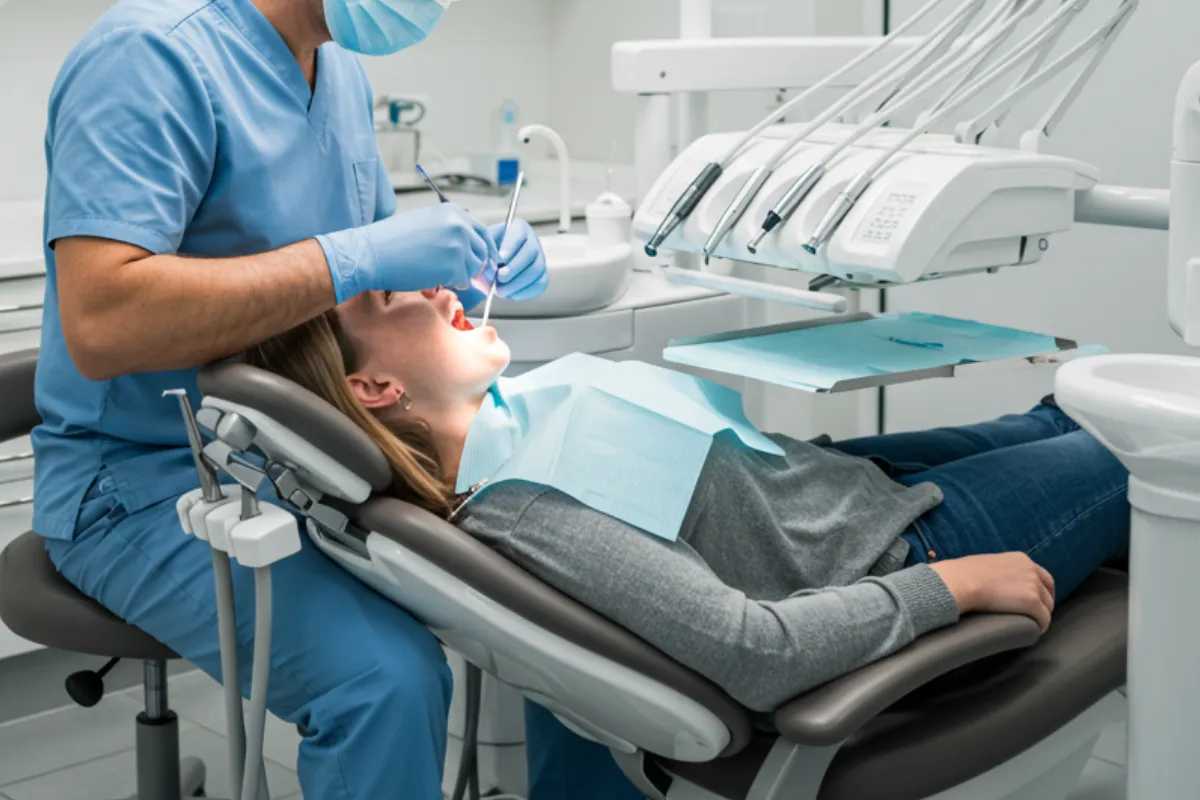
While at-home strategies are effective for many, there are times when professional dental care becomes essential. If sensitivity persists for several weeks despite proper home care, or if the pain is severe, focused on a single tooth, or accompanied by visible cracks, broken fillings, or signs of decay, it’s time to see your dentist. Additionally, swelling, fever, or symptoms following dental trauma warrant prompt attention.
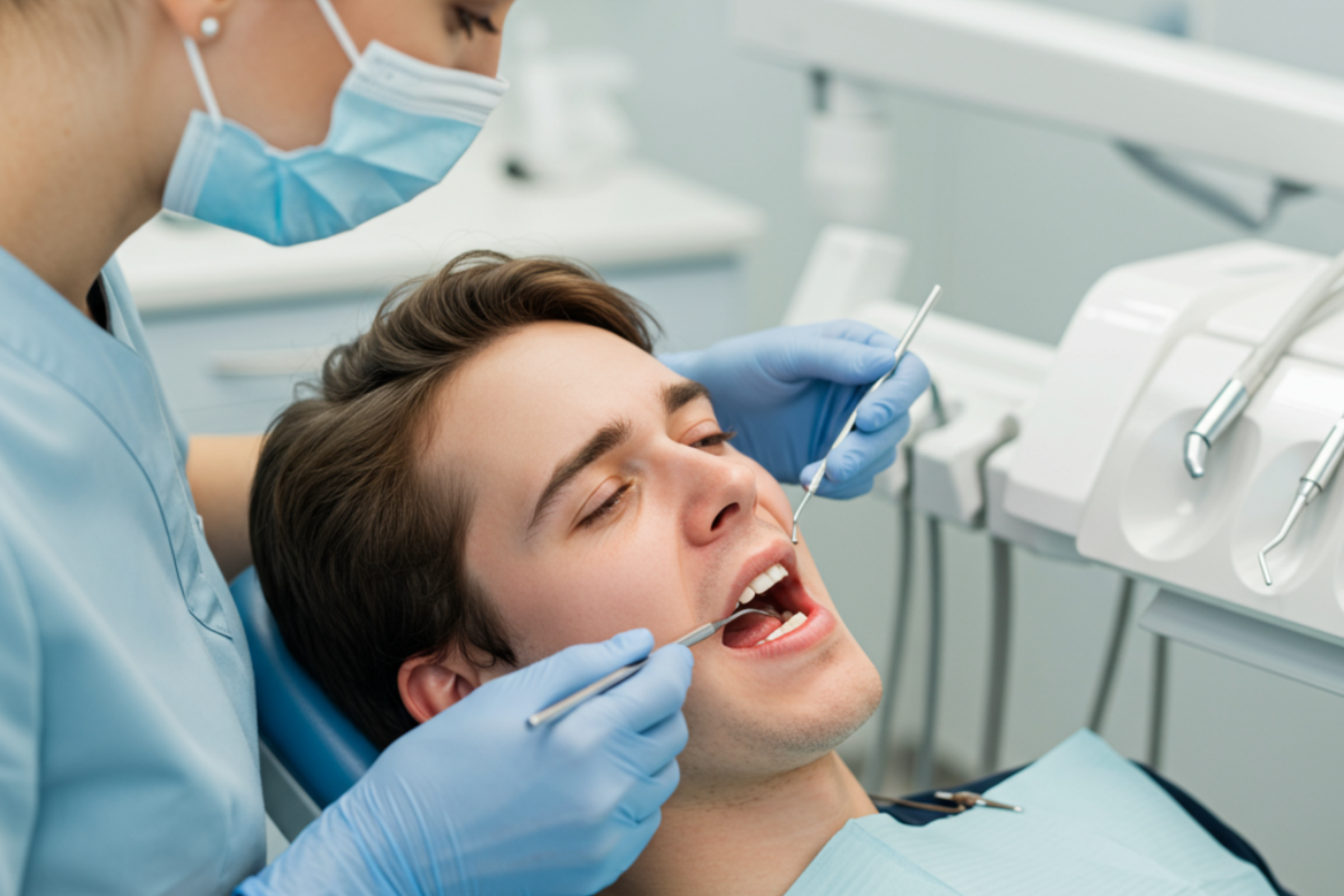
Your dentist will conduct a thorough examination, including visual inspection, gentle probing, and possibly dental X-rays, to pinpoint the cause of your sensitivity. In-office treatments may include fluoride varnish or gel applications to strengthen enamel and calm nerve endings. For teeth with exposed root surfaces or minor structural defects, dental bonding or resin coatings can shield sensitive areas. If old fillings are worn or broken, replacing them restores protection against hot, cold, or sweet stimuli.
More extensive cases—like teeth with deep fractures or irreversible pulp inflammation—may require restorative procedures such as crowns, onlays, or even root canal therapy. If gum recession is present, periodontal treatments or gum grafting can cover exposed roots and relieve sensitivity. By working with your dental team, you’ll receive a tailored plan that addresses both immediate symptoms and underlying causes.
Protecting Your Smile Long-Term: Prevention, Timelines, and When Sensitivity Signals Something More
Long-term relief from tooth sensitivity relies on a commitment to preventive care and early intervention. Regular dental check-ups and professional cleanings are cornerstones of maintaining oral health. These visits allow your dentist to spot early signs of wear, gum disease, or decay before they become significant problems. Between appointments, use a soft toothbrush, gentle strokes, and toothpaste designed for sensitive teeth or enamel protection.
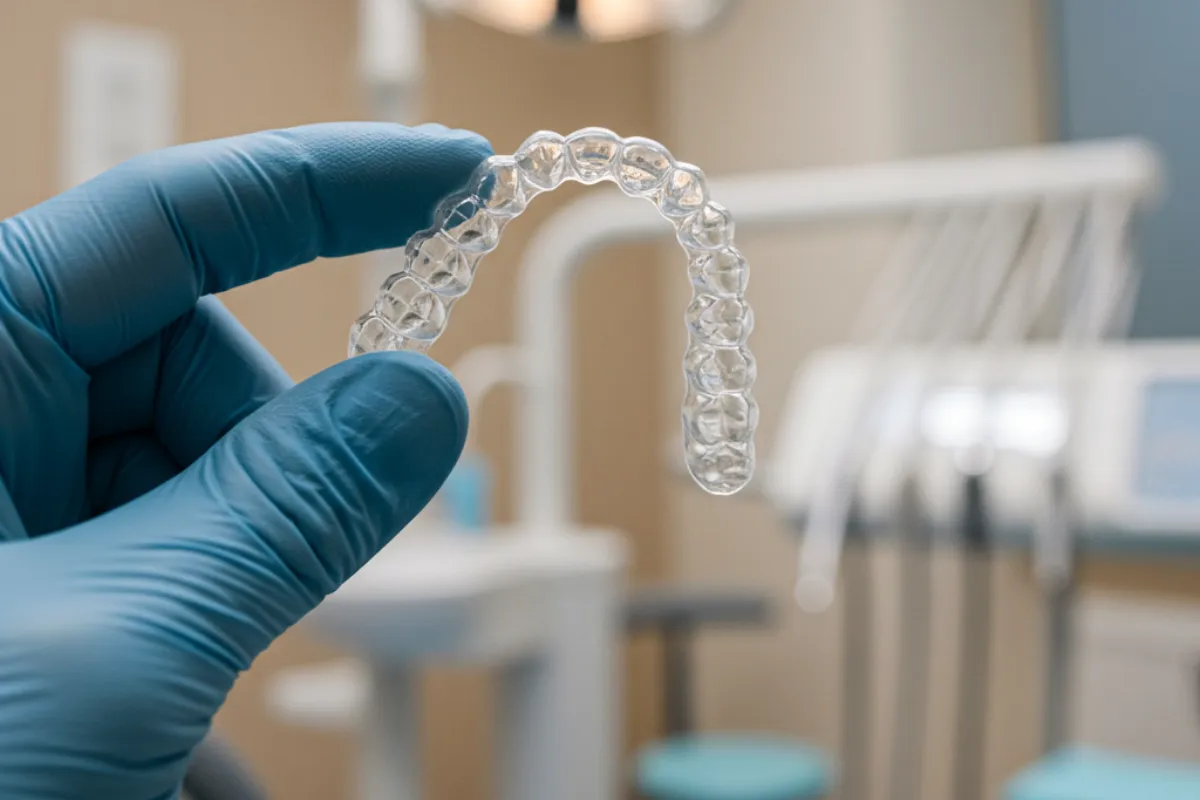
Floss daily to remove plaque and prevent gum irritation. Minimize acidic and sugary foods or drinks, and try using a straw for beverages that could erode enamel. Address teeth grinding (bruxism) with a custom night guard if recommended—this protective device reduces the risk of enamel wear and root exposure.
Most people notice improvement from over-the-counter desensitizing toothpaste within two to four weeks. Professional treatments like fluoride varnish or bonding can provide faster relief, often within days to a week. More invasive procedures, such as root canal therapy or gum grafting, are reserved for severe or irreversible cases and typically resolve sensitivity related to those conditions.
Remember, while tooth sensitivity is common and often manageable, it can sometimes signal a more serious issue—especially if pain is severe, persistent, or associated with other symptoms. Timely evaluation and a blend of sensible home care and professional guidance can ensure your comfort, confidence, and a healthy smile well into the future.