Now Welcoming New Patients

The Migraine–Dental Link: How Oral Health Triggers Headaches

When Headaches Start in the Mouth: Understanding the Migraine–Dental Connection
Most people think of migraines and chronic headaches as being strictly a neurological concern, but for many, the source of pain may actually begin in the mouth. The jaw isn't just for chewing and speaking—it's part of a complex network of muscles, joints, and nerves that extend throughout your face, head, and neck. When something disrupts how your teeth fit together or how your jaw moves, it can set off a chain reaction that leads to tension, pain, and even severe headaches.
The temporomandibular joint (TMJ)—the small hinge where your jaw meets your skull—plays a crucial role in this connection. Dysfunction in this joint, or in the muscles that control jaw movement, can send pain signals radiating to the temples, forehead, or neck. Similarly, if you grind or clench your teeth (a condition called bruxism), or if your bite (the way your upper and lower teeth meet) isn't properly aligned, the strain can travel well beyond your mouth.
Even minor dental imbalances can create a ripple effect, overworking certain muscles and leading to chronic tension. This tension doesn't stay local; instead, it can trigger or intensify headaches, including migraines. The good news? Identifying and treating these dental issues often provides meaningful relief for headache sufferers who haven't found answers elsewhere. Understanding the dental–migraine link is a crucial first step in managing persistent head pain.
TMJ Disorder, Teeth Grinding, and Bad Bites: Common Dental Triggers Behind Migraines
Several dental conditions are known to trigger or worsen headaches and migraines. The three most common culprits are temporomandibular joint disorder (TMD or TMJ disorder), bruxism, and malocclusion—each affecting the jaw, teeth, and muscles in distinctive ways.
TMJ Disorder (TMD): The TMJ acts like a sliding hinge, connecting your jawbone to your skull. Dysfunction here can develop from arthritis, injury, or bite problems, leading to pain that often radiates to the temples, ears, neck, or shoulders. Classic TMJ symptoms include jaw pain, stiffness, clicking or popping when opening your mouth, and headaches that cluster around the temples. The reason? Muscle tension and inflammation around the joint can travel along nerve pathways, producing headache pain that mimics or triggers migraines.
Bruxism (Teeth Grinding/Clenching): Bruxism often occurs at night and may go unnoticed until you wake up with a sore jaw, sensitive teeth, or tense facial muscles. Over time, the excessive force from grinding or clenching can wear down teeth, cause earaches, and limit jaw movement. The muscles used in bruxism are connected to those around the head and neck, so the ongoing strain can easily trigger headaches or intensify an existing migraine.
Malocclusion (Bad Bite): When your upper and lower teeth don’t fit together properly, certain jaw muscles have to work harder to compensate. This uneven workload strains the jaw, leading to chronic tension and pain that can radiate to the temples, forehead, or neck. Malocclusion often results in difficulty chewing, jaw fatigue, and a sense that your bite never feels quite “right”—all of which set the stage for headaches.
Each of these dental issues can act alone or in combination, quietly fueling chronic pain and headaches. Spotting these triggers is a crucial step toward lasting migraine relief.
Self‑Check Guide: Signs Your Headache May Be Related to Your Jaw or Bite
Wondering whether your headaches could have a dental origin? While only a professional can diagnose the true source, several telltale signs suggest your jaw or bite might be to blame. Conducting a self-check can help you gather important information to share with your healthcare providers.
Headaches After Chewing or Eating: If you notice your headaches intensifying after meals, during long conversations, or following activities that involve significant jaw movement, this may point to an underlying jaw or bite problem. The repeated motion can aggravate already tense muscles, amplifying headache pain.
Morning Jaw Pain or Stiffness: Waking up with a sore jaw, headache, or feeling like your mouth is “locked” may indicate nighttime teeth grinding or clenching. This is often subconscious, so you might not realize you’re doing it until symptoms appear.
Tense or Sore Facial Muscles: Facial tenderness, particularly along the jawline, cheeks, or at the temples, can result from overworked muscles compensating for dental misalignment or grinding habits.
Evidence of Teeth Grinding or Clenching: Look for signs like flattened, chipped, or worn-down teeth; increased tooth sensitivity; or indents along the tongue or cheeks. Family members might even hear you grinding your teeth at night.
Difficulty Finding a Comfortable Bite: Feeling like your teeth never quite fit together or that chewing feels awkward is a classic sign of malocclusion. This can lead to chronic muscle tension and related headaches.
If you’re experiencing several of these symptoms in addition to persistent headaches or migraines, it’s worth discussing the possibility of a dental connection with both your dentist and your physician.
From Nightguards to Bite Correction: Dental Treatment Options That Can Ease Migraine Pain
The silver lining for those whose migraines are linked to dental problems is that a range of effective, non-invasive treatments are available. The right solution often depends on the specific cause, severity, and your unique oral health needs.
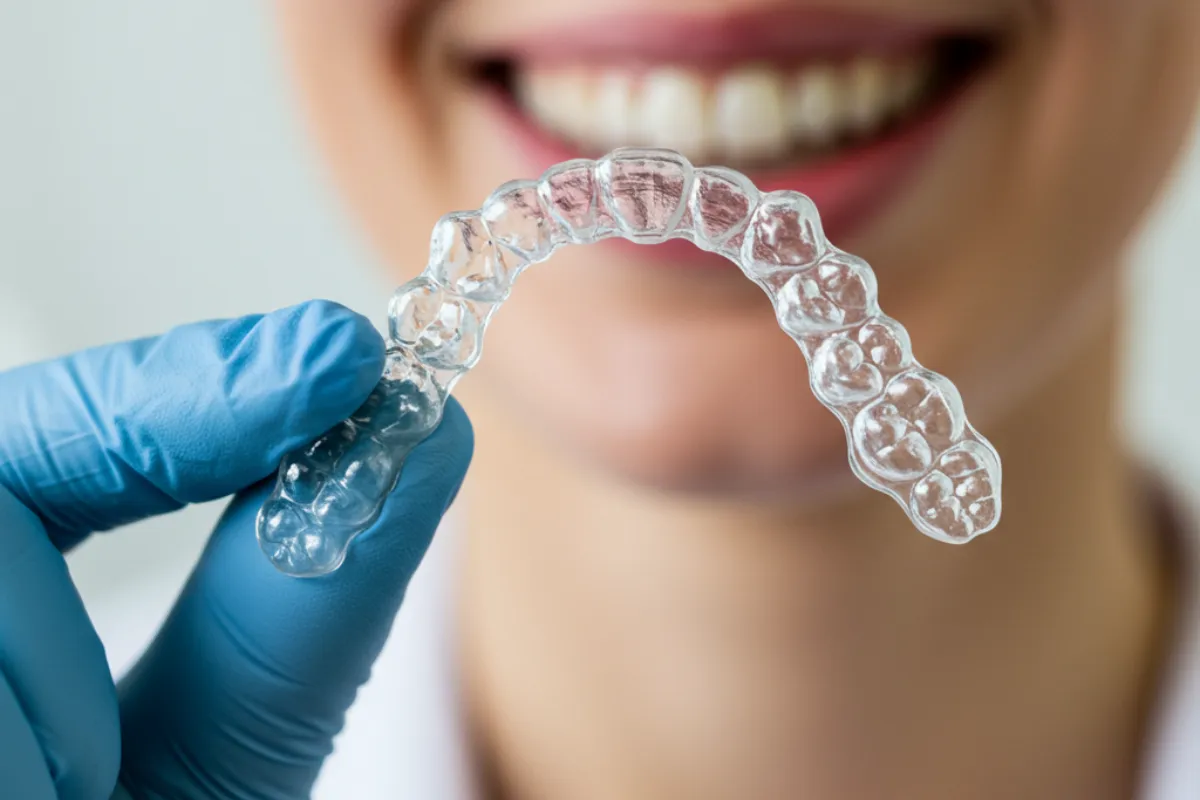
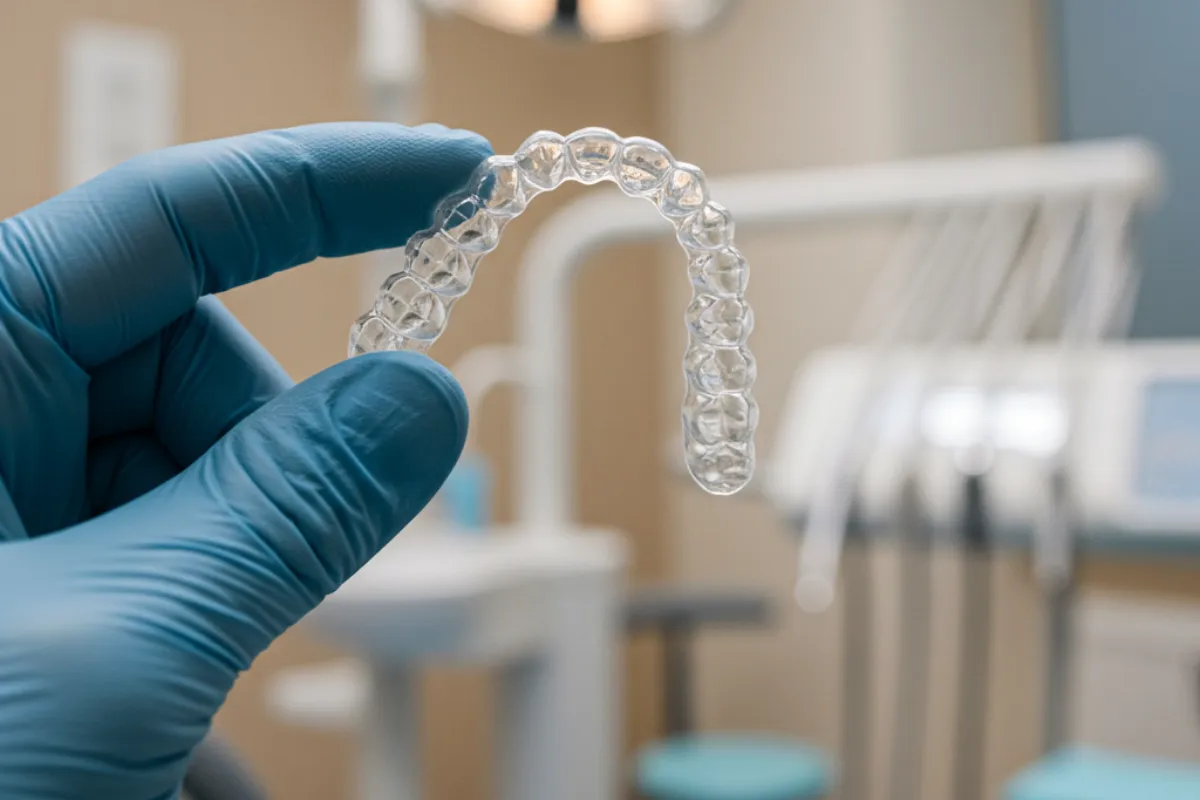
Custom Nightguards and Oral Appliances: For patients with bruxism or TMJ disorder, dentists often recommend custom-fitted nightguards. These oral appliances are worn while you sleep, cushioning the teeth, reducing unconscious clenching, and helping the jaw muscles to relax. Nightguards not only protect the teeth from damage but also decrease the muscle strain that can trigger headaches.
Orthodontic Interventions for Bite Correction: If malocclusion is identified, orthodontic treatment—ranging from traditional braces to advanced systems like FastBraces®—aims to realign your teeth and jaw. Proper alignment allows muscles and joints to function without undue stress, reducing both jaw pain and headache frequency over time.
Physical Therapy and Jaw Exercises: Targeted exercises can help stretch and strengthen the jaw muscles, improving flexibility and reducing tension. Dentists or physical therapists may teach you gentle stretches, relaxation techniques, or massage routines specifically designed to ease TMJ and muscle discomfort.
Stress Management Strategies: Since stress is a common trigger for teeth grinding and jaw clenching, incorporating relaxation techniques—such as mindfulness meditation, deep breathing, or progressive muscle relaxation—can be highly effective. These practices help reduce overall muscle tension and may lessen the severity of dental-related headaches.
Individualized Care Plans: No two patients are alike. A skilled dentist will assess your symptoms, bite, and overall oral health to develop a tailored treatment plan, combining several modalities as needed for the best results.
Taking action to address dental triggers can lead to significant improvement in migraine and headache symptoms, often providing relief where other treatments have fallen short.
Partnering With Your Dentist and Doctor: Next Steps if You Suspect a Dental Cause
If you’ve noticed a pattern between your headaches and oral symptoms—or if traditional migraine treatments haven’t brought relief—it’s time to consider a coordinated approach. Partnering with both your dentist and your physician is key to uncovering and addressing dental-related migraine triggers.
Start by tracking your symptoms: note when headaches occur, what activities precede them (such as eating, talking, or waking up), and any signs of jaw pain, stiffness, or teeth grinding. Share this information openly with your healthcare providers. Your dentist will look for signs of TMJ dysfunction, bruxism, or bite misalignment through a combination of oral examination, bite analysis, and possibly imaging.
Your physician can help rule out other causes and ensure that any treatment plan accounts for your overall health. When dentists and doctors communicate, they can provide a more holistic and accurate diagnosis, ensuring no contributing factor is overlooked.
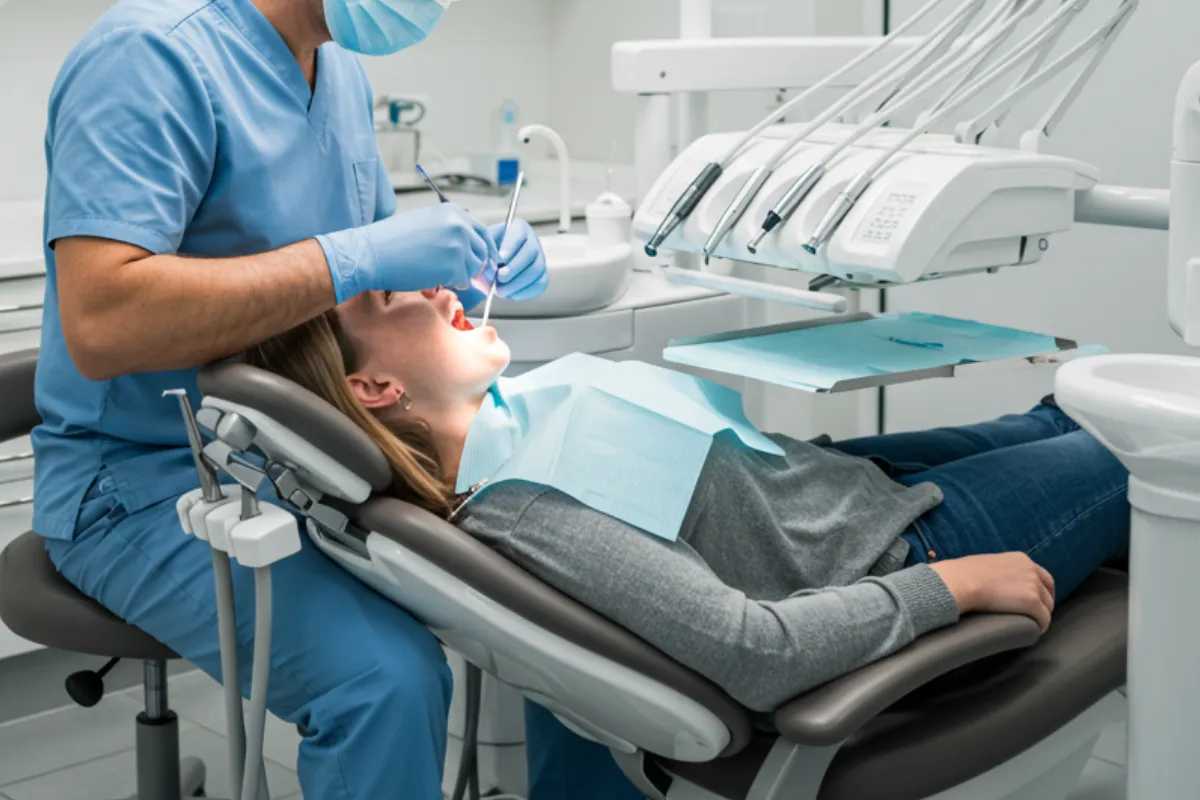
During a dental evaluation, expect a thorough review of your bite, jaw movements, and dental wear patterns. In some cases, your dentist may recommend further tests or refer you to a specialist in TMJ disorders or orofacial pain.
Early intervention is important—addressing dental contributors to migraines can prevent symptoms from worsening, reduce the need for medication, and improve your quality of life. If you or a family member in North Vancouver are struggling with chronic headaches that don’t respond to treatment, including a dental assessment in your migraine investigation could be the breakthrough you’ve been seeking.
Recognizing the link between dental health and headaches opens up new possibilities for relief. By working together with your dental and medical care team, you’re taking important steps toward a pain-free future.