Now Welcoming New Patients

How Aging Impacts Teeth and Gums: Dental Care in North Vancouver

A lot of people assume dental problems are just part of getting older. Teeth darken, gums recede, things get more sensitive, and eventually you lose a few teeth. That story is common, but it is not the whole story.
Aging does affect your mouth. It affects the hard parts, like enamel and bone, and the softer parts, like gums, saliva, and the tissues that help you heal. Years of chewing, grinding, brushing, illness, medication, and plain daily life add up. But age alone is not the enemy. Habits, health conditions, and access to good dental care matter just as much, and often more.
The useful way to think about it is this: your smile changes because your body changes. Some of those changes are normal. Some are preventable. Some can be treated early before they turn into pain, infection, or missing teeth. That is true for children, teens, adults, and older adults alike.
Teeth and gums are not “set and forget”
Teeth look solid and unchanging, but they are more complex than that. The outer enamel is very hard, yet it can still wear down over time. Under the enamel sits dentin, which is softer and more likely to react to temperature or pressure when it becomes exposed. Inside each tooth is the pulp, where nerves and blood vessels live. That is why a cracked tooth or deep cavity can go from annoying to miserable very quickly.
Gums are living tissue too. They respond to bacteria, inflammation, brushing habits, hormones, medications, and immune health. The bone under the gums also changes throughout life. If gums and bone weaken, teeth can loosen even if the teeth themselves are still intact.
Saliva often gets overlooked, but it does important work. It helps wash away food, neutralize acids, and protect teeth from decay. When saliva decreases, the whole mouth gets more vulnerable.
So yes, aging matters, but not in a simple “everything just wears out” way. It is more like a long conversation between your biology and your daily routine.
How your mouth changes at different stages of life
Childhood and the early school years
The first years matter more than many people realize. Baby teeth are temporary, but they still do serious work. They help children eat, speak, and hold space for permanent teeth. If baby teeth are lost too early because of decay or injury, the teeth coming in later may not have the room they need.
Children are also learning habits, and habits stick. Frequent snacks, sweet drinks, bedtime bottles, or inconsistent brushing can lead to cavities early. That can shape how a child feels about dental care for years. Pediatric dentistry often focuses as much on prevention and comfort as it does on treatment, and that makes sense. A child who learns that brushing, flossing, and regular checkups are normal has a much easier road ahead.
Teen years
Teenagers usually have all or most of their permanent teeth, but this stage brings its own problems. Sports injuries are common. So is clenching or grinding, especially during stressful stretches. Orthodontic treatment can make brushing and flossing harder for a while, which raises the risk of plaque buildup and gum inflammation.
Diet plays a part too. Sipping energy drinks, sports drinks, or sweet coffee drinks all day is rough on enamel. Acid softens the tooth surface, and sugar feeds the bacteria that cause decay. The damage is often slow enough that teens do not notice it until sensitivity or cavities appear.
Adulthood
Adult teeth are expected to do a lot of work, year after year. That is when the small stuff starts to matter. A little grinding at night. A little gum inflammation that keeps bleeding when you floss. A little dry mouth from medication. None of it feels dramatic in the beginning.
But over time, those small issues can cause visible changes. Teeth may flatten or chip. Gums may pull back, exposing root surfaces that are more prone to sensitivity and decay. Older fillings and crowns can wear down or leak around the edges. If cavities get deep enough to reach the nerve, endodontics, often called root canal treatment, may be needed to save the tooth.
Adulthood is also when systemic health starts to show up in the mouth more clearly. Diabetes, autoimmune conditions, reflux, sleep disorders, and long medication lists can all influence oral health. Pregnancy can affect gums too. So can chronic stress. None of this means dental problems are inevitable. It just means the mouth is connected to the rest of you, which is both obvious and easy to forget.
Older adulthood
Later in life, the effects of time become easier to spot. Teeth often look darker, not only because of stains but because enamel thins and the yellower dentin underneath shows more. Some people become more sensitive to hot, cold, or sweets. Others notice that food packs between teeth more than it used to.
Gum recession becomes more common with age, especially if there has been gum disease in the past or if brushing has been too aggressive for years. Receding gums expose root surfaces, which are softer than enamel and decay more easily.
Dry mouth is another big one. Many older adults take medications that reduce saliva, including some used for blood pressure, depression, allergies, pain, and bladder symptoms. Less saliva often means more cavities, bad breath, oral soreness, and trouble wearing dentures comfortably.
Manual dexterity can change too. Arthritis, tremor, memory issues, vision changes, and sensory differences can make home care harder. That is not a character flaw. It is a practical issue, and it often needs practical solutions.
Why aging affects teeth and gums
There is no single reason. Usually it is a stack of factors.
- Years of wear add up.
Chewing, biting, grinding, and acidic foods slowly change tooth surfaces. Even healthy teeth show that history. - Gums tend to recede over time.
Sometimes this is linked to gum disease. Sometimes it comes from brushing too hard, clenching, genetics, or a thin gum type. Exposed roots are more sensitive and more likely to decay. - Saliva often decreases.
A drier mouth changes everything. Decay risk goes up, soft tissues get irritated, and dentures can become harder to tolerate. - Healing can slow down.
Inflammation may last longer, especially when other health conditions are involved. Smoking, uncontrolled diabetes, and poor nutrition make this worse. - Old dental work ages too.
Fillings, crowns, bridges, and dentures are not permanent. They can crack, loosen, wear down, or stop fitting as your mouth changes. Restorative dentistry often involves replacing or repairing work that once served well but has reached its limit.
This is why two people of the same age can have very different dental health. A 70 year old who has managed dry mouth well and stayed on top of gum care may have fewer problems than a 40 year old with untreated grinding and frequent soda.
Common dental issues that show up with age
Some problems are so common that people shrug them off. I think that is a mistake. “Common” does not mean “harmless.”
Tooth discoloration is one example. Teeth naturally darken over time, and stains from coffee, tea, red wine, and tobacco make it more obvious. Teeth whitening can improve surface and internal staining in many cases, but whitening does not fix cracks, cavities, or worn edges. It also does not change the colour of crowns or fillings. That matters if you want a uniform result.
Sensitivity is another issue people often normalize. A quick zing from ice cream might not seem urgent, but repeated sensitivity can point to recession, enamel wear, decay, or a crack.
Gum disease deserves special attention. Early gum inflammation can look mild, maybe a little bleeding during brushing. Left alone, it can turn into periodontitis, where the supporting bone around the teeth is damaged. That is one of the main causes of tooth loss in adults.
Cracked teeth become more common with age as enamel weakens and bite forces accumulate. A crack may cause pain when chewing or may hide for a long time and then suddenly flare up.
Tooth loss is still a reality for many adults, but it is not something to accept without discussion. Missing teeth can shift the bite, affect speech, make chewing harder, and speed bone loss in the jaw. Depending on the situation, replacement options might include bridges, dentures, or dental implants. Some cases also involve oral surgery, such as removing damaged teeth or preparing the jaw for further treatment.
What helps at every age
The basics still matter. They just matter in slightly different ways as you get older.
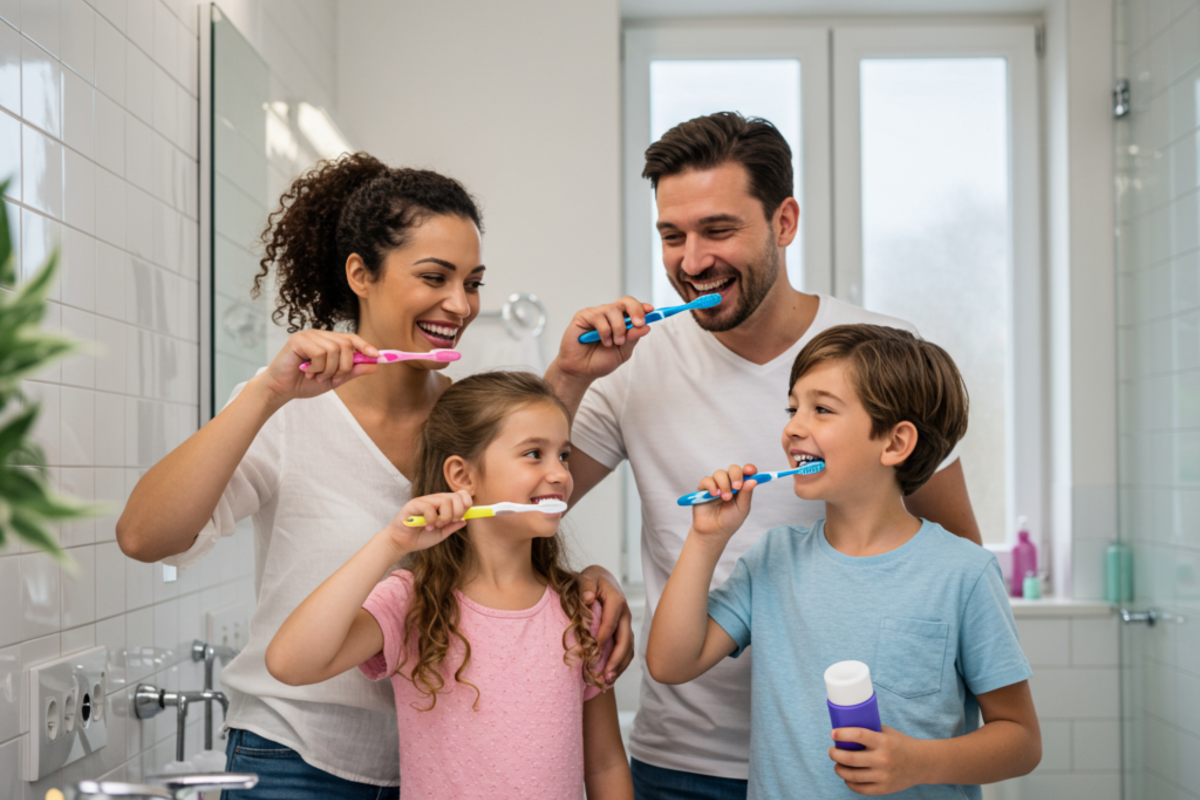
- Brush twice a day with fluoride toothpaste and a soft brush.
- Clean between the teeth daily with floss, picks, or interdental brushes.
- Drink water regularly, especially if your mouth feels dry.
- Limit frequent sugary or acidic drinks, even the ones marketed as healthy.
- Wear a mouthguard if you grind your teeth or play contact sports.
- Keep regular dental visits so small problems do not become expensive ones.
If regular brushing and flossing are hard because of arthritis, disability, sensory sensitivity, or caregiver challenges, adapt the routine instead of giving up on it. Electric toothbrushes, floss holders, water flossers, modified handles, short brushing sessions, and caregiver support can make a real difference. Good dental care is not one-size-fits-all.
For children, supervision helps longer than many parents expect. For teens, reminders without shame usually work better than lectures. For adults, the trick is often consistency. For older adults, comfort and practicality matter a lot.
When to see a dentist sooner rather than later
Some signs are easy to ignore until they stop being ignorable. If you notice any of these, do not wait around hoping they settle on their own:
- gums that bleed often
- ongoing dry mouth
- tooth pain or pressure when chewing
- sensitivity that is getting worse
- a loose tooth
- bad breath that does not improve
- swelling, pus, or a gum bump
- a sore in the mouth that is not healing
- dentures or partials that no longer fit right
A dentist can figure out whether the issue is decay, gum disease, a bite problem, infection, medication-related dryness, or something else entirely. Sometimes the answer is simple. Sometimes it involves treatment like a new filling, gum therapy, restorative dentistry, endodontics, or replacing a missing tooth.
Treatment can do a lot, but prevention still wins
Modern dentistry can repair a surprising amount. A worn or broken tooth may be restored with bonding, an inlay, onlay, or crown. A tooth with an infected nerve can often be saved through endodontics. Missing teeth may be replaced with dental implants if the gums and bone are healthy enough to support them. When a tooth cannot be saved, oral surgery may be the right next step.
Still, the best treatment is usually the one you never need.
That sounds obvious, but it matters because age-related changes often start quietly. Gum disease usually does. So does root decay. So does clenching. People get used to little annoyances in their mouth, and those annoyances tend to get more expensive over time.
For families in North Vancouver, or anywhere really, the most useful mindset is simple: keep paying attention. Watch for changes. Ask questions. Do not assume discomfort is normal just because birthdays keep happening.
A smile can age well
Your teeth and gums change throughout life because living tissue changes throughout life. That is normal. What is not normal is assuming that pain, bleeding, loose teeth, or major tooth loss are just your fate.
With steady home care, regular checkups, and timely treatment, many people keep their natural teeth far longer than previous generations did. That is good news, and it is practical news. A healthy mouth helps you eat comfortably, speak clearly, and feel like yourself.
Aging is going to happen. Neglect does not have to.