Now Welcoming New Patients

How a Water Flosser Can Help You Build Healthier Gums

Brushing your teeth can leave your mouth feeling fresh, but a toothbrush cannot reliably clean every space between teeth or along the gumline. Those harder-to-reach areas need attention, too. When plaque stays there, gums can become irritated and bleed.
A water flosser uses a focused, pulsating stream of water to help clean these areas. It can flush out trapped food and help control plaque, making it a useful addition to daily dental care. For people who struggle with string floss, it may also make cleaning between teeth much more manageable.
Still, water flossers are not pressure washers for your teeth. More force does not mean better cleaning, and rinsing away visible food does not mean every trace of plaque is gone. Understanding what these devices do, where they help most, and how to use them safely can help you get more out of your routine.
What Is a Water Flosser?
A water flosser is a handheld oral-cleaning device that directs a narrow stream of water toward the gumline and between teeth. Most have a reservoir, adjustable pressure settings, and a removable tip. Some sit on a countertop, while others are cordless and rechargeable.
The water pulses against tooth surfaces and around the gum margin, where teeth and gums meet. This action helps dislodge food particles and disrupt bacterial buildup in areas that can be difficult to clean.
That distinction matters because food debris and plaque are different things. A piece of food caught between your molars may wash out easily. Plaque is a sticky film of bacteria that clings to teeth and needs regular disruption.
A water flosser can support plaque control, but it does not replace brushing with fluoride toothpaste. It also cannot remove tartar, the hardened deposits that require professional cleaning.
How Water Flossing Can Help Your Gums
Healthy gums generally do not bleed during gentle, effective cleaning. Bleeding often signals inflammation caused by plaque buildup, although medications, health conditions, and other factors can also play a role.
When plaque accumulates along the gumline, the body's response to the bacteria can cause redness, swelling, and tenderness. This early stage of gum disease is called gingivitis. It is often reversible with consistent home care and professional treatment when needed.
Studies of oral irrigators have found improvements in gum inflammation and bleeding when water flossing is added to brushing. Comparisons with string floss vary by study, device, technique, and the outcome being measured. The evidence for reducing bleeding is generally more consistent than claims that water flossers remove more plaque in every situation.
In practical terms, a water flosser may help you clean more consistently and keep your gums less inflamed. That is a worthwhile benefit.
If your gums bleed when you begin cleaning between your teeth, do not respond by turning up the pressure. Use a gentle setting and arrange a dental assessment if bleeding persists, recurs frequently, or comes with swelling or discomfort.
Can a Water Flosser Reach Places String Floss Misses?
Sometimes, yes. But the reverse can also be true.
A water stream can move around braces, beneath certain fixed restorations, and into awkward spaces where maneuvering string floss is difficult. This is especially helpful when dental work changes the shape or accessibility of the spaces between teeth.
String floss works differently. When guided carefully between teeth and curved against each tooth surface, it physically wipes plaque away. That direct contact can be useful at tight contacts where neighboring teeth touch.
Neither method cleans well if the technique is poor. Snapping floss into the gums can cause injury. Sweeping a water flosser quickly across the front teeth while skipping the inner surfaces leaves areas untreated.
If you are weighing the options, this comparison of water flossers and traditional floss explains how their cleaning methods differ and which needs may influence your choice.
The best approach is the one that suits your mouth and that you can use correctly every day. Your dentist or dental hygienist may recommend a water flosser, string floss, interdental brushes, or a combination.
Who May Find a Water Flosser Especially Useful?
You do not need complicated dental work to benefit from a water flosser. However, certain situations can make it particularly helpful.
People with braces or fixed retainers
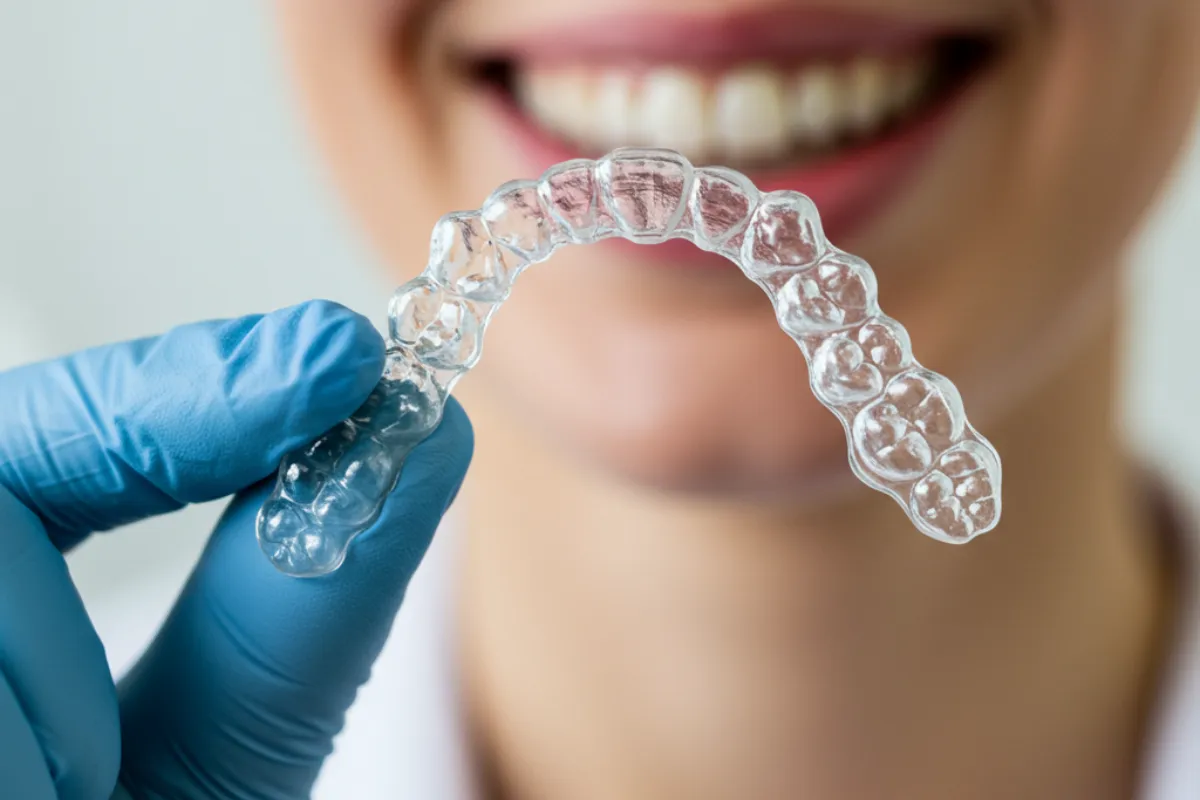
Brackets and wires create extra places for food and plaque to collect. Threading floss around them takes time and coordination, which can make daily cleaning frustrating.
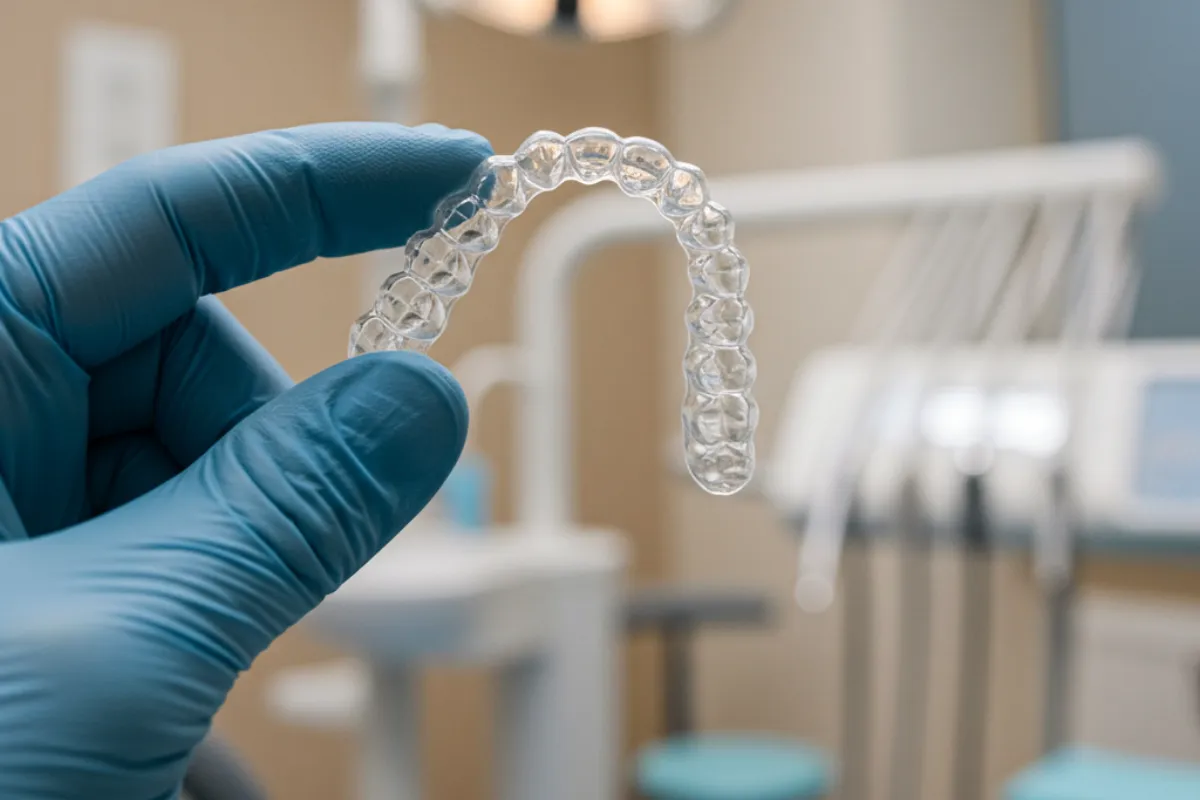
A water flosser can help flush around orthodontic hardware. Some devices have orthodontic tips designed for these areas. It remains important to brush carefully around each bracket and follow any instructions about interdental brushes or floss threaders.
For a teenager with braces, an easier routine may be more sustainable than a complicated one that gets skipped.
People with bridges, crowns, or dental implants
Restorative dentistry can repair or replace teeth, but the surrounding tissues still need daily care. Cleaning beneath a bridge or around dental implants may require tools selected for the shape and position of the restoration.
A water flosser can be part of that routine, though it may not be the only tool needed. Implant-supported bridges, for example, can have spaces that require a specific brush or threader.
Ask for a demonstration using your own dental work as the guide. If you have recently had implant placement or oral surgery, follow your clinician's instructions before using a water flosser near the healing area.
People with limited dexterity or sensory needs
Arthritis, reduced grip strength, coordination difficulties, and some disabilities can make string floss difficult to handle. A water flosser may reduce the amount of precise finger movement needed.
The device itself still needs to be manageable. A heavy handle, small controls, or a reservoir that is difficult to refill can create new barriers. Caregivers may find it helpful to practice with guidance from a dental professional.
Some people also dislike the noise or water sensation. Comfort matters. A tool that causes distress is unlikely to become a useful daily habit.
How to Use a Water Flosser Safely
The first attempt can be splashy. That is normal, and a little preparation helps. Read the instructions for your model because tip placement and operation can differ.
Fill the reservoir with lukewarm water. Very cold water may be uncomfortable if your teeth are sensitive. Do not add mouthwash or other solutions unless the manufacturer permits it and your dental professional recommends it.
Choose the correct tip and start on low pressure. A standard tip suits many users. Specialized tips may require different positioning or pressure settings, so follow their specific instructions.
Lean over the sink before turning it on. Put the tip in your mouth, close your lips loosely around it, and allow water to drain into the sink.
Aim along the gumline. With a standard tip, generally direct the stream toward the gumline at about a right angle. Do not force it deep into the gum tissue.
Follow a consistent route around your mouth. Move slowly along the outer and inner surfaces of the teeth, briefly pausing between them. Include the back teeth rather than stopping where it becomes harder to see.
Empty and maintain the device afterward. Rinse the tip, empty remaining water, and follow the manufacturer's cleaning and tip-replacement instructions.
Higher pressure is not a measure of success. The setting should feel comfortable, without pain or tissue injury. If cleaning causes sharp sensitivity, persistent soreness, or worsening bleeding, stop and ask your dental team for advice.
Where It Fits in Your Daily Dental Care
A water flosser works best as part of a routine that still covers the basics: brushing twice daily with fluoride toothpaste, cleaning between teeth each day, and having professional care at intervals suited to your needs.
You can generally use a water flosser before brushing. This lets you clear debris first and finish with fluoride toothpaste. After brushing, spit out the excess toothpaste and avoid rinsing immediately so fluoride remains on your teeth longer.
There is no need to build a complicated bathroom routine around several devices unless your mouth requires them. If you are unsure whether to combine water flossing with string floss or interdental brushes, ask which areas need which tool.
Be realistic about timing, too. If evenings are rushed, clean between your teeth at another dependable point in the day. Consistency matters more than choosing an ideal time that rarely works.
Can Children Use a Water Flosser?
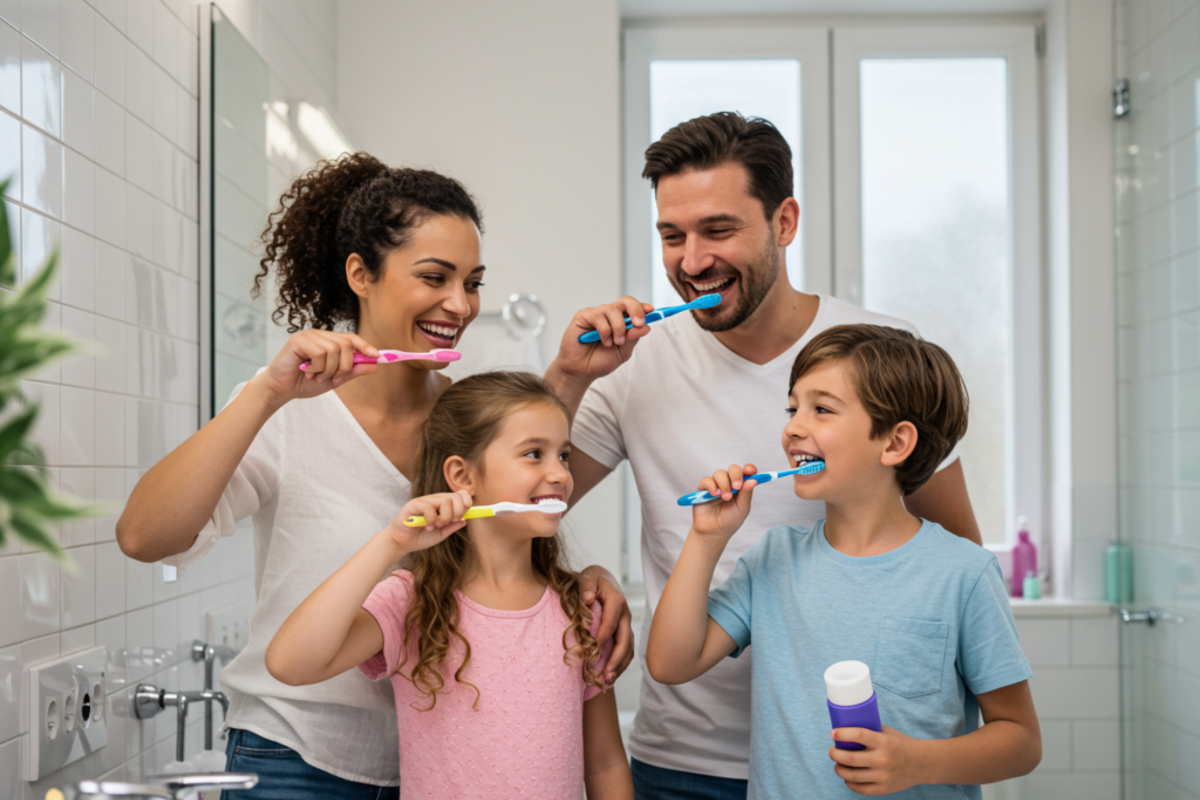
Some children can use one with adult supervision, provided the device is appropriate for their age and they can manage the water safely. Check the manufacturer's age guidance and discuss suitability with a professional familiar with pediatric dentistry.
Younger children often need hands-on help with cleaning between teeth. A water flosser does not remove that need. Children with swallowing difficulties, significant coordination challenges, or certain medical conditions may need a different approach.
Start with a low setting and a short, calm practice session. Let the child become familiar with the sound and sensation without expecting perfect technique immediately.
Keep tips separate for each family member, and do not share a tip. If several people use one countertop unit, clearly identify each person's attachment and follow the cleaning instructions.
What a Water Flosser Cannot Do
A water flosser cannot diagnose the reason for bleeding gums, repair cavities, or treat established periodontal disease on its own. It also cannot remove hardened tartar or replace treatment for an infected tooth.
That matters because symptoms can be misleading. Gum disease may cause little pain, while a localized swelling could have a cause that needs prompt assessment. A cleaner feeling is useful, but it is not proof that everything is healthy.
Contact a dentist if you notice persistent bleeding, gum recession, recurring bad breath, loose teeth, or discomfort when chewing. Pus, significant swelling, or severe pain warrants prompt attention. Facial swelling with fever, difficulty swallowing, or trouble breathing requires urgent medical care.
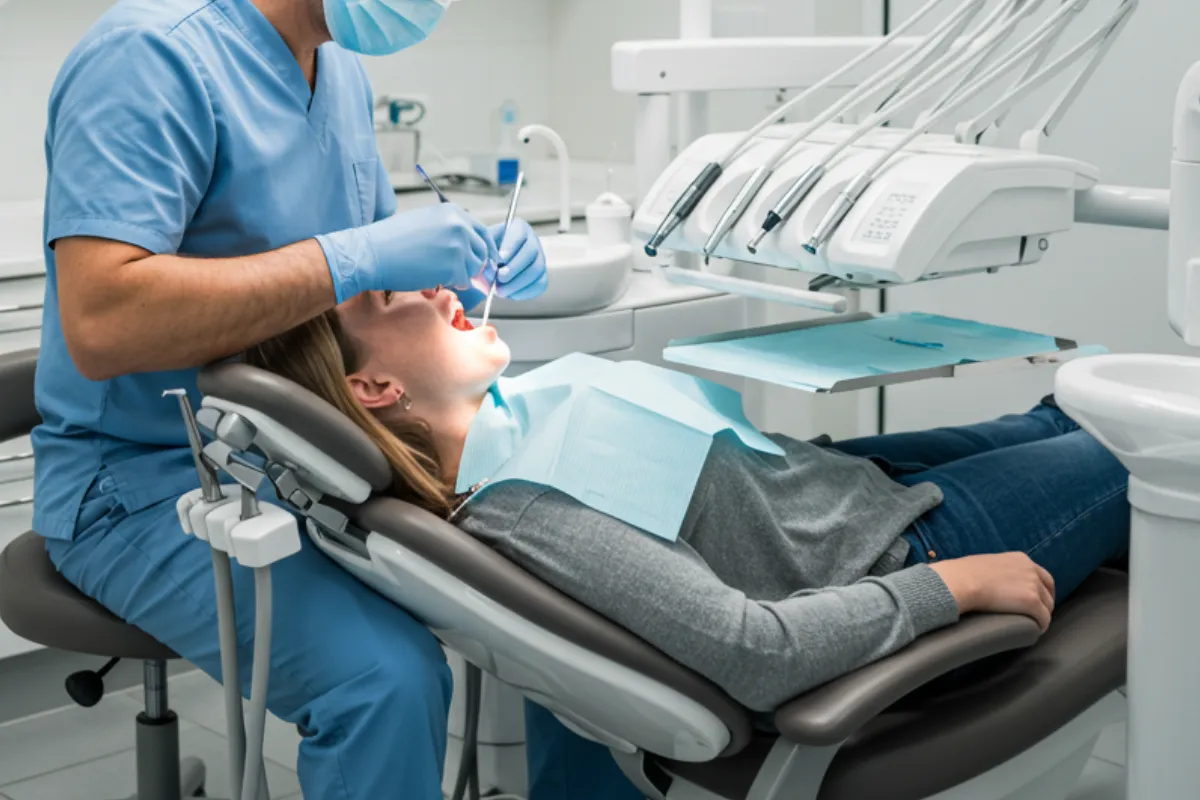
For anyone choosing dental care in North Vancouver, a preventive visit is also an opportunity to bring in your device or describe your routine. A brief technique check can reveal missed areas that are difficult to spot at home.
Choose a Routine You Can Keep
A water flosser can make daily cleaning easier, especially around braces, bridges, implants, or spaces that are awkward to reach. Its benefits for gum inflammation and bleeding make it a useful option, but broad claims that it always outperforms every other tool go too far.
Start gently, clean systematically, and keep brushing with fluoride toothpaste. Pay attention to how your gums respond, and get persistent symptoms checked rather than trying to wash them away.
The goal is simple: less plaque left undisturbed, healthier gums, and a routine you can comfortably repeat tomorrow.