Now Welcoming New Patients

Cracked Teeth: Early Signs and When to See Your Dentist
Understanding Cracked Teeth: Why Small Problems Can Become Big Emergencies
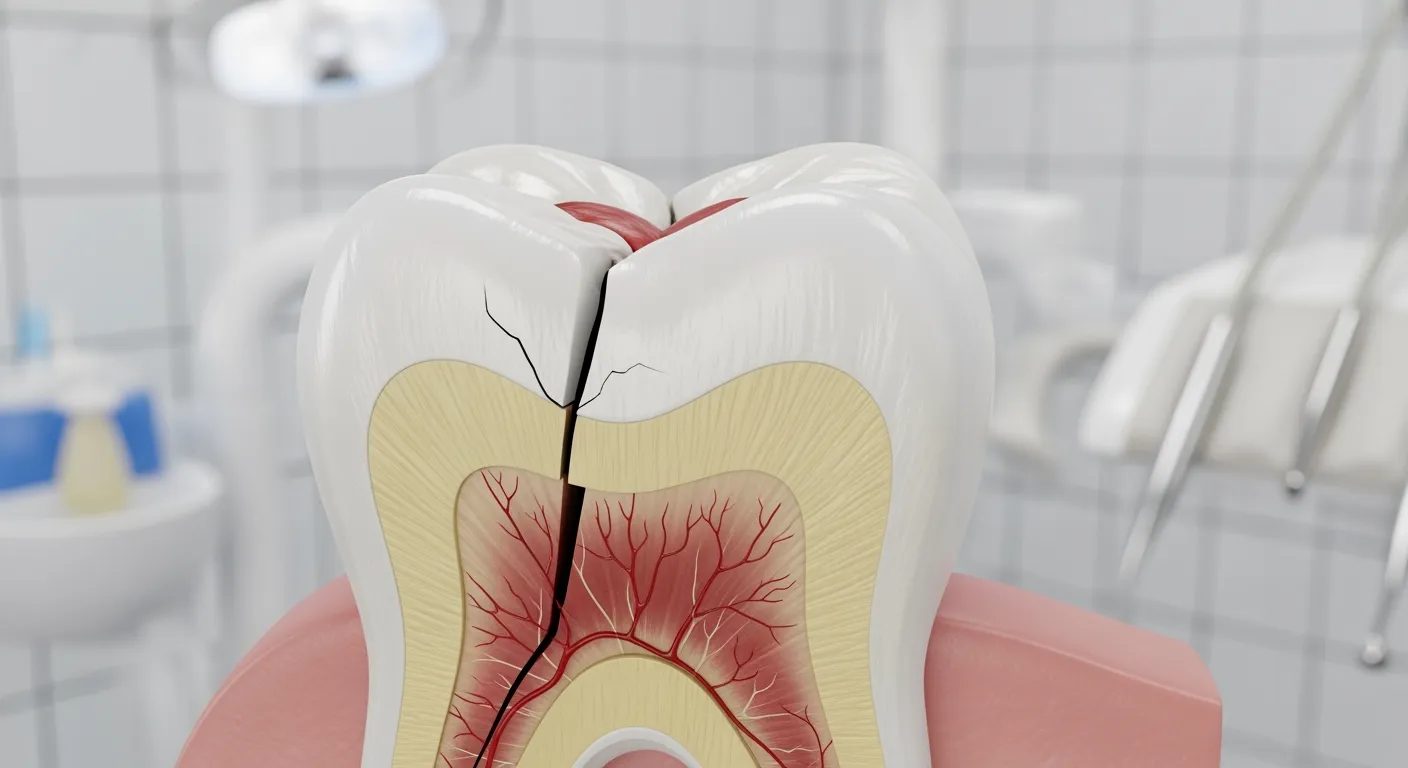
Cracked teeth are more common than many people realize, and they often start out as minor, barely noticeable issues. It’s possible to have a cracked tooth and not feel any pain at all, which leads many to believe that nothing is wrong. Unfortunately, this lack of obvious symptoms can give small cracks time to grow, especially if the tooth is exposed to repeated stress from chewing, teeth grinding, or sudden injuries.
What starts as a hairline fracture may gradually deepen, reaching sensitive layers beneath the enamel. When a crack extends, it can expose the inner pulp of the tooth to bacteria, leading to infection or irreversible damage. If not caught early, these minor cracks can quickly escalate into dental emergencies—situations that demand immediate care to save the tooth and avoid serious complications.
Waiting until pain becomes severe or the tooth breaks can mean more invasive treatments are necessary. Early detection, on the other hand, allows for simpler and less expensive solutions, while preserving as much of your natural tooth structure as possible. By understanding the significance of even small cracks, you can take an active role in your oral health and avoid preventable emergencies.
Early Warning Signs: Common Symptoms of a Cracked Tooth You Shouldn’t Ignore
Cracked teeth don’t always announce themselves with dramatic pain. Often, the symptoms are subtle, and they may come and go depending on how the crack shifts or how you bite down on food. One of the hallmark signs is a sudden, sharp pain when chewing, particularly when you release your bite. This temporary discomfort happens because the crack opens slightly under pressure and then quickly closes, irritating the sensitive inner structures of the tooth.
Lingering sensitivity to hot, cold, or even sweet foods and drinks is another common indicator. Unlike the fleeting sensitivity that’s common after eating ice cream, the discomfort from a cracked tooth typically lingers and isn’t tied to any obvious cause, like a recent dental procedure.
Pay close attention to any swelling or tenderness in your gums, especially if it’s localized near one specific tooth. This can signal inflammation or infection tied to a crack that’s allowing bacteria to enter. Intermittent pain, which may appear and disappear without warning, is often overlooked but shouldn’t be dismissed. These early warning signs are your body’s way of alerting you that something isn’t right, and they’re best addressed before the situation becomes more complicated.
Dental Emergency or Not? How to Tell When a Cracked Tooth Needs Urgent Care
Not every cracked tooth requires immediate, after-hours attention, but certain symptoms should prompt you to contact your dentist as soon as possible. A sudden increase in pain, especially if it becomes severe and persistent, is a primary indicator that a minor problem may have turned into an emergency. Likewise, if you notice new sensitivity when breathing in air, it could mean the crack has reached the nerve, making the tooth more vulnerable to infection.
Swelling in the gums, the appearance of pus, or signs of infection such as a bad taste in the mouth or fever, are all signs that bacteria may have entered the tooth’s inner layers. If a visible piece of the tooth has broken off or the tooth feels unstable, the risk of losing the tooth increases dramatically.
It’s important to remember that the inner pulp tissue, once exposed, can become infected quickly. If left untreated, this infection may not only result in tooth loss but can also spread to neighboring teeth or even to other parts of the body. When in doubt, it’s always safer to consult a dental professional—especially in situations like these—to prevent further complications.
Treatment Options for Cracked Teeth: From Fillings to Root Canals and Dental Implants
Once a cracked tooth is diagnosed, the best course of treatment depends on how deep and extensive the crack is. For superficial cracks that don’t extend beyond the outer enamel, a dental filling may be all that’s needed. Fillings help stabilize the tooth and prevent the crack from worsening, offering a quick and relatively easy solution.
When a crack is more significant or threatens the structural integrity of the tooth, your dentist may recommend a dental crown. Crowns are custom-made to fit over the tooth, protecting it from further damage while restoring appearance and function. This is a common approach in restorative dentistry and can dramatically extend the lifespan of a compromised tooth.
If the crack reaches the pulp—the nerve and blood vessel center of the tooth—a root canal may be necessary. This procedure removes damaged or infected tissue, disinfects the inner chamber, and seals the tooth from future infection. In cases where the tooth cannot be saved, extraction may be required. Thanks to advances in dental care, dental implants can replace missing teeth, restoring both aesthetics and function.
The key is prompt, personalized care that addresses your unique needs. A thorough assessment by a dentist, often using advanced imaging, ensures that the right solution is chosen to preserve your oral health.
Acting Quickly to Protect Your Smile: How Prompt Dental Care Supports Long-Term Oral Health
Waiting to see if a cracked tooth will heal or hoping that fleeting pain will disappear on its own can lead to unfortunate consequences. The benefits of early intervention are numerous: treatments are generally simpler, less invasive, and more affordable when cracks are caught quickly. A straightforward filling or crown can prevent the need for root canal therapy or tooth extraction down the road.
Delaying care allows cracks to deepen and infections to set in. Once a fracture reaches below the gumline, the chances of saving the tooth diminish significantly, often necessitating extraction and replacement options like dental implants or bridges. Not only do these procedures require more time and investment, but they can also impact your overall oral health and the alignment of your bite.
Whether the patient is a child with a recent sports injury, a teen with braces, an adult juggling work and family life, or someone with special needs, taking action at the first sign of trouble is the best way to protect your smile. Don’t ignore even mild or intermittent symptoms; a timely visit to your North Vancouver dentist can make all the difference, offering reassurance and, if needed, prompt care to keep your teeth healthy for years to come.