Now Welcoming New Patients

Brushing at Every Age: Expert Dental Care for North Vancouver

Why Brushing Matters at Every Stage of Life
Oral health is more than just having a bright smile—it’s a cornerstone of overall well-being and self-confidence. Brushing your teeth regularly is a critical step in maintaining a healthy mouth, no matter your age. The simple act of brushing helps remove food particles and plaque, the sticky film of bacteria that can cause cavities, gum disease, and even impact your overall health if left unchecked.
For children, brushing helps protect newly emerging teeth, supports proper speech development, and sets the stage for a lifetime of good habits. Adults, meanwhile, face different challenges, such as increased risk of gum disease or tooth loss, which can lead to more complex needs like restorative dentistry or even dental implants if problems go untreated.
The importance of brushing goes beyond preventing bad breath or toothaches. Consistent, effective oral care can mean fewer trips for emergency dental work and helps you avoid more invasive procedures like oral surgery. By focusing on prevention and instilling proper brushing habits early, families can reduce the likelihood of needing extensive restorative treatments later in life.
Whether you’re teaching a toddler how to brush or refining your own technique, understanding the unique needs at each stage of life lays the groundwork for lasting dental health. Through regular, mindful brushing, you’re investing in your smile, your confidence, and your long-term health.
Brushing Basics for Kids: Gentle Habits for Growing Smiles
Introducing children to proper brushing starts with the right tools and technique. A soft-bristled, child-sized toothbrush is gentle on delicate gums and small enough for little mouths. When it comes to toothpaste, a pea-sized amount of fluoride toothpaste is enough to offer protection from cavities without overwhelming young brushers.
The recommended technique for kids involves holding the toothbrush at a slight angle and using gentle, circular motions. Brushing should last for two minutes, ensuring that every tooth—front, back, and chewing surface—gets attention. Gentle brushing is key; scrubbing too hard can wear down enamel or irritate sensitive gums.
Twice-daily brushing is ideal, with special emphasis on brushing before bedtime. At night, saliva production slows, so plaque and food debris left on teeth can do more harm. Consistent routines help kids internalize the importance of oral care, making it a natural part of their daily lives.
For many children, brushing can feel like a chore. Making it fun with music, timers, or colorful toothbrushes can encourage cooperation. Praise and positive reinforcement also go a long way toward turning brushing into a habit rather than a hassle. These small steps not only help protect growing smiles but also lay the foundation for a lifetime of healthy dental routines.
Helping Hands: How Parents Can Support Children’s Brushing Routine
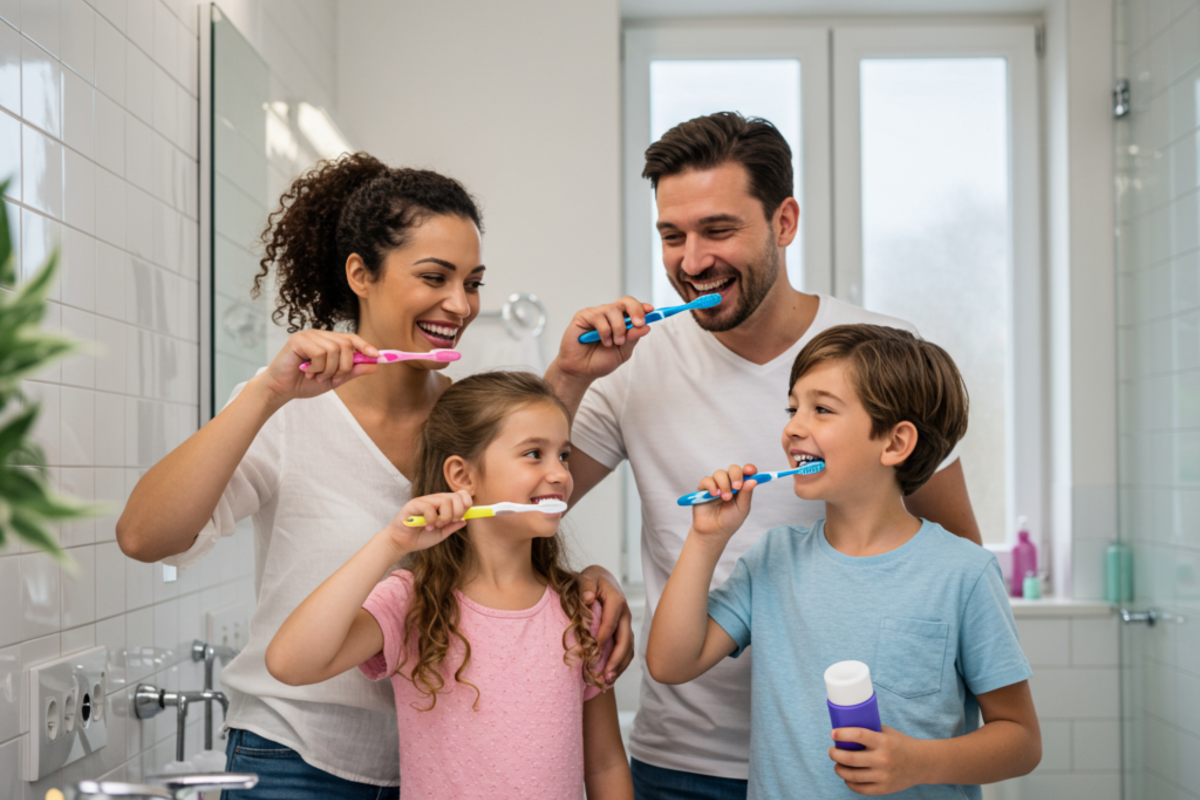
Parents play a vital role in helping children develop effective brushing habits. Until children have developed the hand control and coordination to brush thoroughly—usually around ages 7 or 8—supervision or hands-on assistance is necessary. By modeling the right technique and brushing alongside your child, you reinforce the routine and make oral care a shared family priority.
Simple tools can make brushing more engaging. Timers or apps that play music for two minutes transform the experience into a fun activity instead of a daily chore. Brushing charts with stickers or rewards provide motivation and track progress, turning consistency into a point of pride for kids.
It’s important for parents to ensure that brushing is both thorough and gentle. Check that each surface is reached, especially the back teeth and gumline, where plaque often hides. Remind children to use small, gentle circles rather than scrubbing back and forth, which can damage both teeth and gums.
Some children may resist brushing due to sensory sensitivities or dislike of toothpaste flavors. In these cases, experiment with different products and offer lots of encouragement. Patience, praise, and a calm, positive approach go a long way. By investing time and attention in your child’s brushing routine, you’re not only preventing dental issues but also empowering them with lifelong self-care skills.
Adult Brushing Techniques: Protecting Teeth and Gums for the Long Term
Though the basics of brushing remain the same, adults have unique oral health needs that require a bit more attention to technique. Using a soft-bristled toothbrush helps protect gum tissue and tooth enamel, while fluoride toothpaste continues to strengthen teeth and fight cavities.
Effective brushing for adults means focusing on every tooth surface, including hard-to-reach areas at the back of the mouth and along the gumline, where plaque tends to accumulate. Holding the toothbrush at a 45-degree angle to the gums and using gentle, circular motions is recommended. Aggressive brushing or using a hard-bristled brush can cause gum recession and enamel wear, potentially leading to sensitivity or the need for restorative dentistry in the future.
It’s essential to brush for at least two minutes, morning and night. Nighttime brushing is especially important, as it removes the day’s buildup and reduces the risk of cavities while you sleep. Don’t forget to replace your toothbrush every three to four months, or sooner if the bristles are frayed or after recovering from a cold or flu, to maintain effectiveness and hygiene.
Adults may face additional risks, such as gum disease, staining, or restorative needs. Good brushing habits, paired with regular flossing and professional cleanings, support not only oral health but also aesthetic goals like teeth whitening. Paying attention to oral hygiene now can help prevent the need for more complex treatments like dental implants or oral surgery later on, keeping your smile healthy and confident for years to come.
From Home Care to the Dentist’s Chair: When to Seek Professional Dental Care in North Vancouver
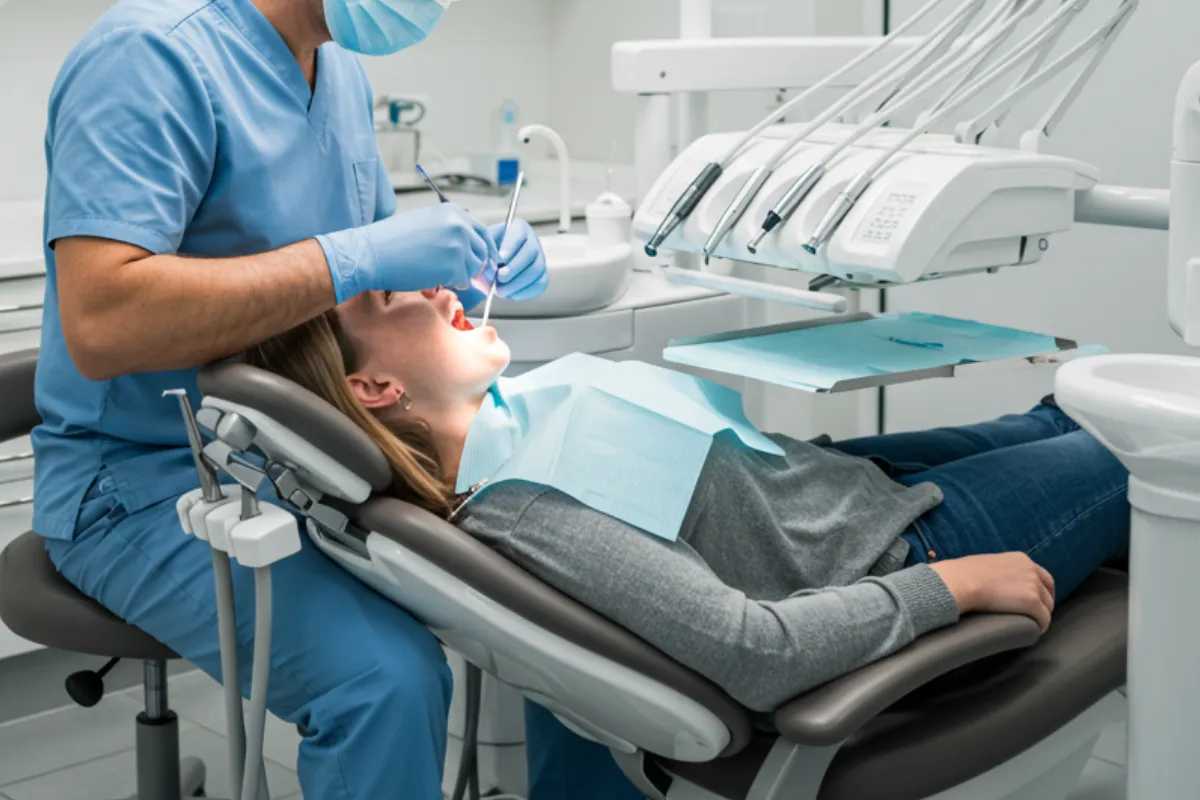
Brushing and flossing at home form the foundation of oral health, but professional dental care is equally essential at every age. Regular check-ups with your dentist are the best way to catch small problems before they become major concerns. These visits allow for professional cleaning, which removes tartar that can’t be eliminated with brushing alone, and includes careful checks for cavities, gum disease, or other issues.
Children benefit greatly from early and consistent visits to a dentist experienced in pediatric dentistry. A positive first experience helps kids feel comfortable in the dental chair and sets the stage for a lifetime of confident visits. Dentists also provide tailored advice to parents on diet, fluoride use, and oral hygiene, ensuring young patients stay on the right track.
For adults, routine dental exams are crucial for maintaining oral health, especially when restorative dentistry, dental implants, or cosmetic goals like teeth whitening are part of your care plan. Your dentist can spot early signs of problems such as gum recession, cavities, or oral lesions—addressing them promptly reduces the risk of more complex procedures later, such as oral surgery or endodontics (root canals).
Don’t wait for pain or obvious symptoms before seeking care. Persistent discomfort, bleeding gums, or concerns about the appearance of your smile are all reasons to book a visit. By combining excellent home care with professional support, individuals and families in North Vancouver can achieve and maintain optimal dental health, ensuring every smile reflects confidence and well-being.