Now Welcoming New Patients

Zoom Teeth Whitening: Is It Really Worth the Hype?
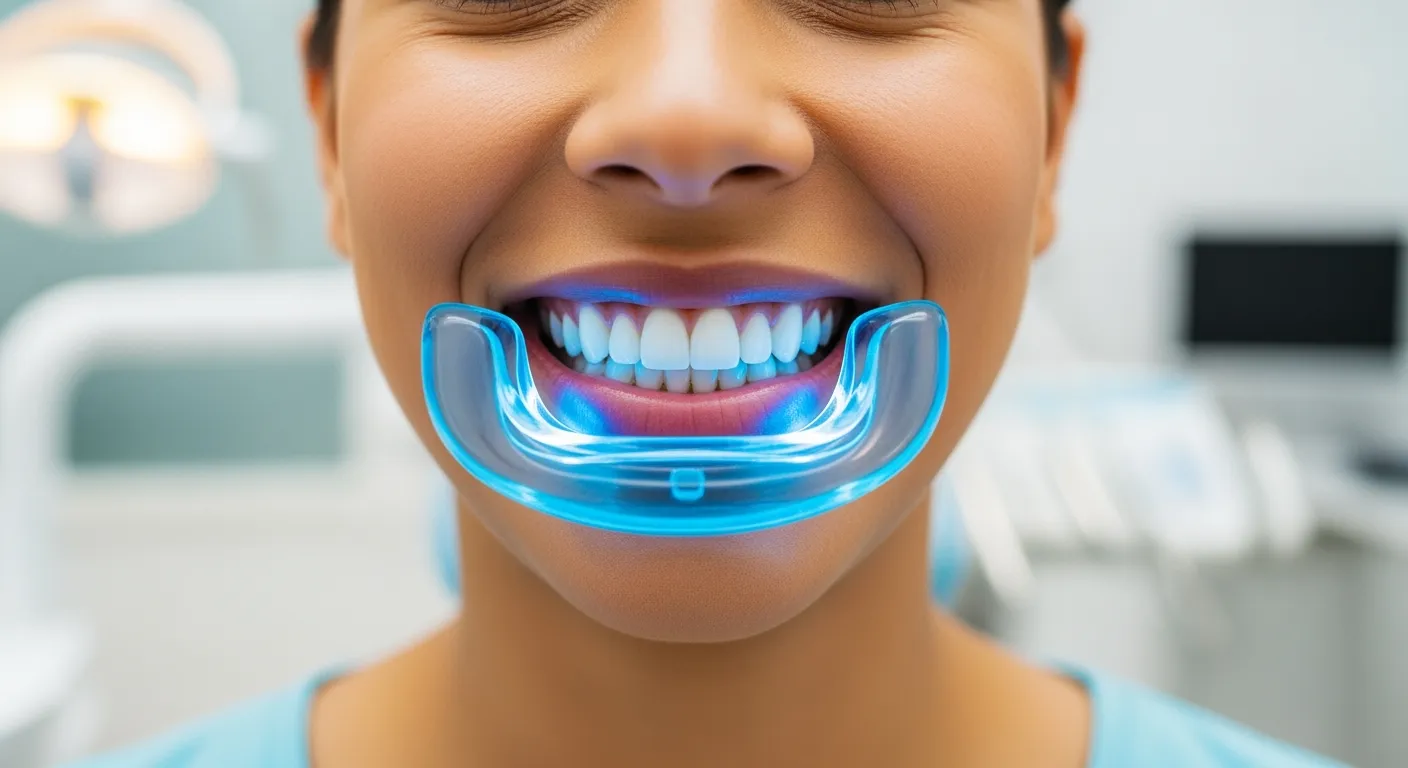
If you have spent any time looking into teeth whitening, you have probably seen Zoom come up again and again. It gets talked about like the fast track to a brighter smile: one appointment, visible change, back to normal life the same day. That kind of promise is appealing, especially before weddings, photos, job interviews, reunions, or just because you are tired of seeing coffee stains in the mirror.
But hype has a way of flattening the truth. Zoom teeth whitening can work very well. It can also cause temporary sensitivity, cost more than home kits, and disappoint people who expect it to fix every kind of discoloration. So the better question is not “Is Zoom amazing?” It is “Is Zoom a good fit for your teeth, your habits, and your expectations?”
Here’s the honest answer: for the right person, yes, it can be worth it. For everyone else, maybe not.
What Zoom teeth whitening actually is
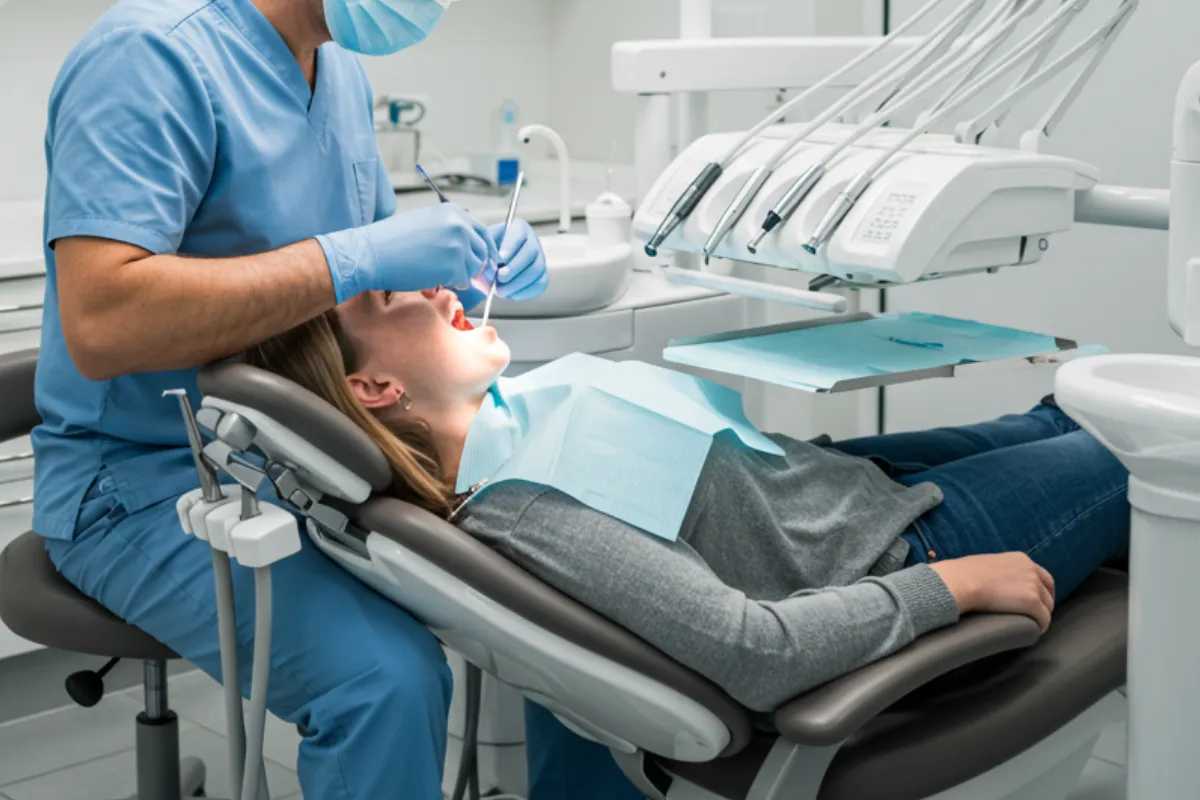
Zoom is an in-office teeth whitening treatment done under dental supervision. A professional-strength bleaching gel is applied to the teeth, then activated with a special light. The appointment usually takes about 45 to 60 minutes, often split into three or four 15-minute cycles.
The goal is simple. Break up stains that have settled into the enamel and dentin over time.
Those stains often come from the usual suspects: coffee, tea, red wine, tobacco, and the slow yellowing that tends to happen with age. Some people notice a change after using whitening toothpaste or store-bought strips, but deeper or older stains often need a stronger approach. That is where an in-office system like Zoom tends to stand apart.
The big draw is speed. Instead of waiting days or weeks to see whether a home kit is doing much, you can often walk out of a single appointment with teeth that look several shades lighter.
How the treatment works, step by step
The process is fairly straightforward, though there is more to it than “put gel on teeth and shine light.”
First, a dentist examines your teeth and gums to make sure whitening makes sense for you. This part matters more than people think. Whitening is cosmetic, but it still sits inside real dental care. If you have cavities, gum irritation, exposed roots, worn enamel, or leaking fillings, those issues need attention first.
Once you are cleared for treatment, your lips and gums are protected so the whitening gel mainly contacts the visible tooth surfaces. The Zoom gel is then applied to the teeth, and the light is used during timed treatment cycles. Between cycles, the dental team may check your comfort, your shade change, and whether the process should continue or be adjusted.
That supervision is not a small detail. A dentist can control the strength, timing, and exposure. If your teeth start feeling zappy or overly sensitive, the treatment can be modified. Some people also receive a desensitizing gel at the end or get advice to use fluoride or sensitivity toothpaste before and after the appointment.
It is a much more controlled process than guessing your way through online whitening products.
Why people choose Zoom over home whitening kits
The simplest reason is time.
Home whitening can work, especially custom trays from a dentist, but it usually asks for patience. Zoom appeals to people who want a bigger change quickly. If you have an event coming up, or you just do not want to commit to wearing trays for days, a single in-office session is hard to ignore.
The second reason is strength. Professional whitening products are more potent than over-the-counter strips and generic kits. That does not mean “stronger” is always better in every situation, but it does mean the treatment can make more progress on stubborn discoloration.
The third reason is peace of mind. A lot of people are nervous about sensitivity, gum irritation, or accidentally overdoing it. Having a dentist monitor the treatment tends to reduce that risk.
I think this is the part social media often skips. The result is what gets posted. The exam, the shade discussion, the comfort adjustments, the talk about crowns and fillings, that stuff rarely makes the reel. But it is the reason professional whitening is not just “the same thing, only faster.”
The real benefits of Zoom whitening
Fast results
This is the headline feature, and it is real. Many patients see visible whitening after one appointment, sometimes several shades lighter. If your goal is immediate change, Zoom is one of the more efficient options available.
Good for stubborn staining
Surface stains from dark drinks or smoking can build up for years. Age-related yellowing can also be harder to shift with basic products. Professional-strength whitening is often more effective on these deeper, older stains than store-bought alternatives.
A customized treatment
Not every mouth reacts the same way. One person has strong enamel and barely feels a thing. Another has mild sensitivity before treatment even begins. In-office whitening allows the dentist to tailor the process instead of using a one-size-fits-all kit.
Safer than unsupervised whitening
Whitening is generally safe when done properly, but misuse is common. People leave strips on too long, use products too often, or try online hacks that have no business going near teeth. Dental supervision lowers those risks and helps set realistic limits.
The downsides people should know before booking
This is where the “worth the hype” question gets more interesting.
Sensitivity is common
Temporary tooth sensitivity is probably the most talked-about downside, and for good reason. Some people describe it as a brief zing. Others feel a stronger cold sensitivity for a day or two after treatment. It usually fades, but it can be unpleasant.
If you already have sensitive teeth, this should be part of the conversation before treatment, not after.
It costs more
Zoom is a premium option. You are paying for a professional-strength formula, the equipment, the clinical setting, and the supervision of a dentist and dental team. Compared with whitening strips or pharmacy kits, the price difference is obvious.
Whether that higher cost feels justified depends on how much you value speed, convenience, and oversight.
Results are not permanent
No whitening treatment freezes your teeth in time. If you drink coffee every morning, sip tea all day, enjoy red wine, or smoke, staining will come back faster. Some people need touch-ups sooner than they expected because their daily habits are basically an open invitation to re-staining.
That does not mean the treatment failed. It means whitening always lives in the real world, where enamel meets food, drinks, and routines.
It does not whiten everything in your mouth
This catches people off guard. Crowns, veneers, fillings, and bonding do not respond to whitening gel the way natural teeth do. If you have visible dental work, especially on front teeth, your natural teeth may lighten while the restorations stay the same shade. That can create a mismatch.
Anyone with a history of restorative dentistry should ask about this before treatment. The same applies to people considering future restorative dentistry, dental implants, or other cosmetic changes. Whitening may need to happen in a specific order so your final shades make sense together.
Is Zoom safe?
For most people with healthy teeth and gums, Zoom is considered safe when done under professional supervision. That said, “safe” does not mean “for absolutely everyone.”
A pre-treatment exam matters because whitening can make existing problems feel worse. If you have enamel erosion, untreated decay, gum recession, cracked teeth, or major sensitivity, you may need a different plan. Some people are better suited to gentler take-home whitening from a dentist. Others should address oral health issues first and revisit whitening later.
This is one reason cosmetic questions often come up during general dental care visits. A good exam does not only look for cavities. It also tells you whether something elective, like whitening, is likely to be comfortable and worthwhile. In the same office where people ask about teeth whitening, they may also be discussing restorative dentistry, dental implants, oral surgery, pediatric dentistry, or endodontics. Different treatments, same principle: start with a clear diagnosis.
Who is a good candidate for Zoom?
Zoom makes the most sense for people who want noticeable whitening quickly and have healthy natural teeth.
You may be a strong candidate if:
Your teeth are stained from coffee, tea, wine, tobacco, or aging.
You want a faster result than strips or generic kits usually provide.
Your teeth and gums are in good shape.
You are comfortable with the possibility of short-term sensitivity.
You understand that maintenance matters.
It is often especially appealing before major events. That said, I would not leave it until the day before something important if you have never whitened before. If sensitivity shows up, you will be happier having a little buffer time.
Who should be cautious or consider alternatives?
Zoom may not be the best option if you have:
severe tooth sensitivity
worn or damaged enamel
untreated cavities or gum disease
extensive crowns, veneers, or bonding on visible teeth
expectations that whitening will permanently stay “paper white”
People with a lot of dental work need a more careful conversation. Whitening natural teeth next to crowns or veneers can create uneven color. In some cases, a dentist may suggest a different whitening method, a more gradual approach, or a cosmetic plan that takes future restorations into account.
Families sometimes ask whether whitening is suitable for teens. That is a case-by-case discussion. Age, tooth development, enamel condition, and sensitivity all matter. It is not in the same category as pediatric dentistry basics like cleanings, sealants, and cavity prevention.
Zoom vs at-home whitening: what really changes?
The biggest differences are speed, strength, and supervision.
At-home whitening kits are cheaper and more convenient on the surface. You can use them on your own schedule, and some do a decent job on mild staining. But the trade-off is slower progress and less control. Store-bought products are made for mass use, not your particular enamel, restorations, or sensitivity history.
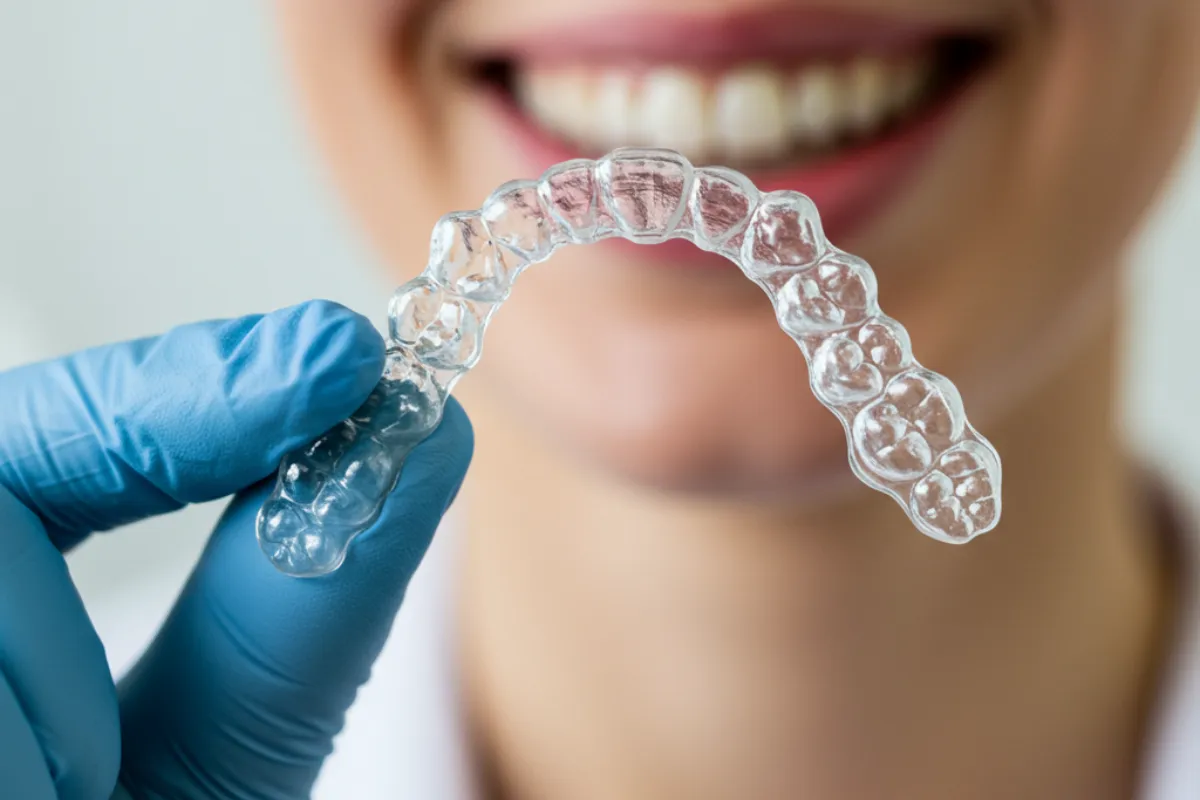
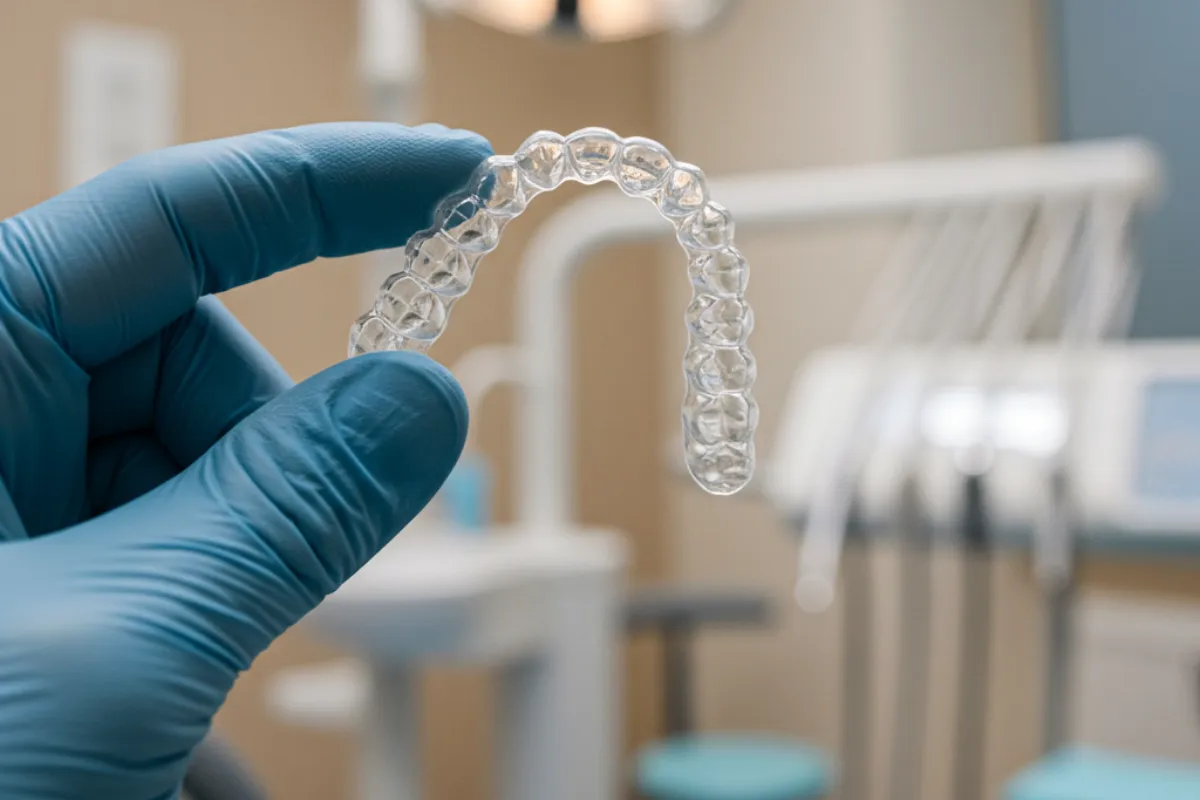
Dentist-supervised take-home trays sit somewhere in the middle. They are more customized than pharmacy kits but still slower than Zoom. For people with sensitivity, that slower pace can actually be a plus.
Zoom is the “I want results soon” option. Home whitening is the “I want a lower-cost and more gradual approach” option. Neither is automatically better. They just solve different problems.
How to manage sensitivity before and after treatment
Sensitivity gets a lot of attention because it is the side effect people actually feel. The good news is that it can often be managed.
A dentist may suggest using a fluoride or desensitizing toothpaste for several days before the appointment. During treatment, the whitening process can be adjusted if your teeth are reacting strongly. Afterward, some patients benefit from desensitizing gel, fluoride, or simply a short break from icy drinks and very hot foods.
For a day or two, it is smart to be gentle. Think lukewarm instead of freezing. Think soft foods if chewing cold or crunchy things feels annoying. Usually the discomfort settles down fairly quickly.
If you already know your teeth are sensitive, say so clearly before treatment begins. Do not minimize it to seem easygoing. This is one of those situations where honesty makes the experience better.
How long do results last?
There is no universal timeline because habits make a huge difference.
Someone who rarely drinks staining beverages and avoids smoking may keep the result longer. Someone who has two coffees before noon and red wine on weekends will probably see color return sooner. Teeth also darken naturally with time, even if you do everything “right.”
Maintenance may include occasional touch-ups, whitening toothpaste approved by your dentist, or lifestyle tweaks. If you are paying for in-office whitening, it is worth protecting the result. Small changes help: rinse with water after coffee, use a straw for iced dark drinks when practical, and keep up with routine cleanings.
For people in North Vancouver or anywhere else, the advice is the same: whitening works best when it is part of ongoing dental care, not a one-time fix you forget about the next morning.
So, is Zoom worth it?
Sometimes yes. Sometimes no. That may sound annoyingly balanced, but it is the truth.
Zoom is worth the hype if you want fast, visible whitening, your teeth are healthy enough for treatment, and you value having a dentist supervise the process. It is especially appealing when timing matters and you are willing to pay more for speed and predictability.
It is probably not worth the hype if you have major sensitivity, a lot of visible crowns or veneers, or expectations that a single session will permanently erase every stain. It is also not the smartest first move if you need other oral health problems addressed before cosmetic treatment.
The best way to think about Zoom is not as a miracle and not as a gimmick. It is a strong, efficient teeth whitening option with clear upsides and very normal limitations.
That is a pretty good place for it to land.