Now Welcoming New Patients

Why Do My Teeth Feel Sensitive After a Cleaning? A Vancouver Guide
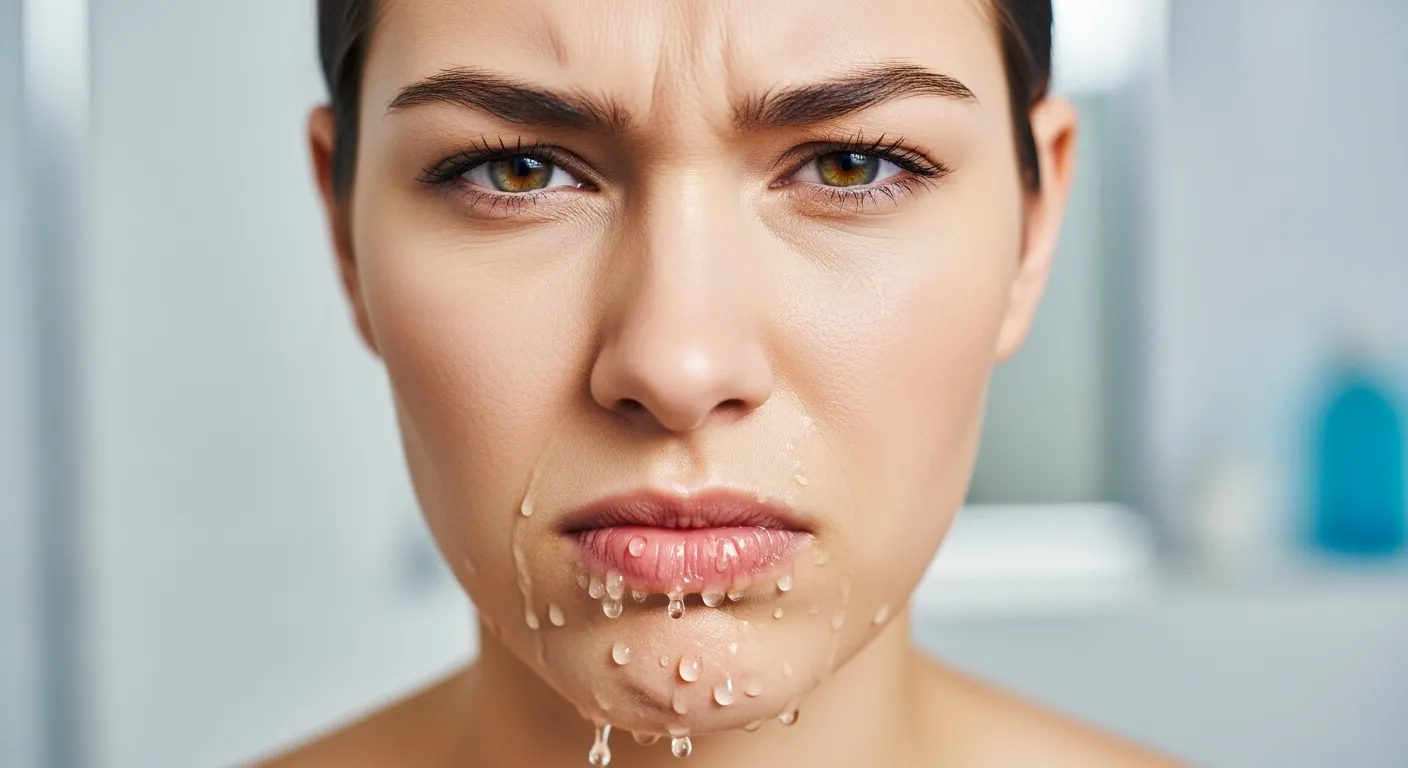
You leave a dental cleaning feeling fresh, polished, and pretty pleased with yourself. Then you drink cold water and get that quick electric jolt in a front tooth.
Annoying, right?
The good news is that tooth sensitivity after a cleaning is common, and in most cases it does not mean anything went wrong. A routine cleaning does not damage healthy teeth. What it often does is remove plaque and tartar that were sitting on the teeth and around the gums, which can make certain areas feel more exposed for a little while.
If you live in Vancouver or North Vancouver and this has happened to you, here’s the short version: mild sensitivity after a cleaning is usually temporary. The trick is knowing what feels normal, what helps, and when it’s time to call a dentist.
What sensitivity after a cleaning usually feels like
People describe it in different ways, but the usual story is pretty consistent. You might notice:
a quick zing with cold water, cold air, or sweet foods
tenderness near the gumline
mild soreness in the gums, especially if there was a lot of buildup
a stronger reaction in one or two spots that were hard to clean before
That kind of sensitivity tends to be brief. It often fades over a day or two after a regular cleaning, though some people feel it for up to a week.
What usually worries people is when the pain is strong, lingers long after the trigger is gone, or feels focused deep inside one tooth. That is a different conversation, and I’ll get to it.
Why teeth can feel more sensitive after a routine cleaning
The strange part is this: your teeth may feel more sensitive because they are cleaner.
That sounds backwards, but it makes sense once you know what the hygienist removed.
Tartar can hide sensitive areas
Plaque hardens into tartar, also called calculus. Tartar is bad for gum health, but it can act like a rough coating over parts of the tooth. When it gets cleaned away, areas that were covered for months or years are suddenly exposed again.
If the exposed area is enamel, you may not notice much. If it is dentin, especially near the roots, you may definitely notice.
Dentin sits under the enamel and contains tiny channels that connect to the nerve inside the tooth. Cold drinks, cold air, sweets, and even tooth brushing can set those channels off. That sharp little jolt? Often dentin talking.
Your gums may be a bit irritated
Even a gentle cleaning can leave gums tender, especially if they were inflamed before the appointment. Gums that bleed easily, look puffy, or feel sore are already irritated by plaque and bacteria. Cleaning removes the source of the inflammation, but the tissue may feel raw as it settles down.
That soreness usually improves pretty fast. In a way, it is part of healing.
Gum recession can make root surfaces easier to feel
If your gums have receded even a little, the root surface may be partly exposed. Roots do not have the same thick enamel covering as the crown of the tooth. They are more sensitive by nature.
A cleaning does not cause the recession, but it can make you more aware of it because the area is now free of buildup.
This is especially common in adults who brush hard, clench or grind, have a history of gum disease, or simply have some recession with age.
There may have been more buildup than usual
If it has been a while since your last cleaning, the teeth often feel dramatically different afterward. Cleaner, yes. Also colder. Sometimes a lot colder.
That does not mean the appointment was too rough. It usually means there was enough buildup that its removal changed the way air, water, and touch reach the tooth surface.
People who keep up with regular dental care often notice less post-cleaning sensitivity because there is less tartar to remove each time.
Deep cleaning is a different experience
A routine cleaning and a deep cleaning are not the same thing.
A regular cleaning focuses on the visible tooth surfaces and the area just under the gums. A deep cleaning, often called scaling and root planing, goes farther below the gumline to remove bacteria and buildup around the roots.
If you had a deep cleaning, stronger sensitivity is more common. So is soreness for a few days.
That is because the roots are being cleaned more directly, the gums may shrink slightly as inflammation improves, and previously covered root surfaces can become more exposed. None of that sounds glamorous, but it is often part of getting unhealthy gums back on track.
If your teeth feel tender after deep cleaning, that is usually expected. If the pain keeps getting worse instead of better, call your dentist.
Sometimes the cleaning didn’t cause the sensitivity. It revealed it.
This is the part people do not love hearing, but it matters.
A cleaning can uncover a problem that was already there.
For example, if one tooth now hurts with cold and keeps aching afterward, the issue may be:
a cavity near the gumline
a cracked tooth
a worn or leaking filling
exposed root surfaces from gum recession
enamel wear from grinding or acid erosion
irritation from recent teeth whitening
nerve inflammation inside the tooth
That last one is where a dentist may start thinking about endodontics, which deals with the tissue and nerves inside the tooth. Most post-cleaning sensitivity does not lead there, but lingering or intense pain sometimes points in that direction.
A cleaning can also draw attention to older dental work that is starting to fail. If a filling has a tiny gap or a crown margin is wearing down, cold sensitivity may show up once the tooth is freshly cleaned.
This is one reason people sometimes say, “My cleaning caused a problem.” Often, the cleaning just made an existing issue easier to notice.
What you can do at home
If the sensitivity is mild and seems to match the usual post-cleaning pattern, home care often helps quite a bit.
Here’s what I’d focus on for the next few days:
Use a toothpaste for sensitive teeth twice a day. Look for ingredients like potassium nitrate or stannous fluoride. These do not work instantly for everyone, but they can make a real difference with regular use.
Brush gently with a soft toothbrush. This is not the week to scrub. Short, light strokes are enough.
Skip very cold, very hot, and very acidic foods for a day or two if they are setting things off. Ice water, citrus, soda, and sour candies tend to be repeat offenders.
If your gums feel sore, rinse gently with warm salt water once or twice a day.
Hold off on whitening products for a bit. If you recently used strips, trays, or other teeth whitening products, your teeth may already be more reactive than usual.
If you normally use a whitening toothpaste every day, it may help to pause and switch to a sensitivity formula for a week or two.
How long should sensitivity last?
For a regular cleaning, mild sensitivity often fades within 24 to 72 hours. In some cases it takes up to a week.
For a deep cleaning, a little longer is common. You may notice temperature sensitivity or gum tenderness for several days, sometimes longer if there was a lot of inflammation to begin with.
A simple rule: the discomfort should gradually improve.
That part matters. Improvement is reassuring. Pain that stays the same or gets worse deserves a closer look.
When to call a dentist
Here is where I’d stop watching and start checking in.
Call a dentist if:
sensitivity lasts more than a week after a routine cleaning
pain is getting worse instead of better
one tooth hurts much more than the others
pain lingers well after cold or sweet foods are gone
biting down hurts
you notice swelling, pus, fever, or a bad taste
the gum feels very sore in one area only
you have a cracked tooth, loose filling, or recent dental work in that spot
If you have dental implants, here’s one useful detail: implants themselves do not have nerves, so they do not feel cold in the same way natural teeth do. If you feel sensitivity near an implant after a cleaning, the source is often a nearby natural tooth or the gum tissue around the area. It is still worth checking.
The same goes if you recently had oral surgery. Post-surgical sensitivity and soreness follow a different pattern than a standard cleaning, and your provider may want to know about any new pain.
Why some people are more likely to feel it
Not everyone walks out of a cleaning with that “cold water shock” feeling. Some people are just more prone to it.
You may be more likely to notice sensitivity if you have:
gum recession
a history of heavy tartar buildup
enamel wear from grinding or acidic drinks
untreated cavities or worn fillings
dry mouth
exposed root surfaces
recent teeth whitening
gum disease or inflamed gums
Kids can feel sensitivity too, though it is usually less dramatic unless there is a cavity, erupting tooth, enamel defect, or gum irritation. In pediatric dentistry, a child who says one tooth “hurts with cold” after a cleaning may simply need a day or two, but if they stop chewing on one side or avoid brushing that area, it is smart to get it checked.
Can sensitivity mean I need more treatment?
Sometimes yes, but not usually because of the cleaning itself.
If the sensitivity points to a specific problem, the next step depends on the cause. A small cavity may need a filling. Worn enamel or damaged edges may call for restorative dentistry. If the nerve is inflamed or infected, the tooth may need endodontics. If gum recession is the main issue, your dentist may recommend fluoride, desensitizing products, nightguard therapy for grinding, or gum treatment.
The point is not to jump straight to worst-case thinking. Most temporary sensitivity settles on its own. But when it doesn’t, there are reasons, and they are usually identifiable.
How to lower the odds next time
This part is pretty practical.
If you tend to get sensitive after cleanings, tell the hygienist before the appointment. People often assume they should just deal with it. You don’t have to.
A few things can help:
Keep regular cleaning appointments
This is probably the least exciting advice in the article, but it works. More frequent cleanings usually mean less tartar buildup, less gum inflammation, and less post-cleaning sensitivity.
Use a sensitivity toothpaste before your appointment
If you already know your teeth run sensitive, start a desensitizing toothpaste a couple of weeks before your cleaning. That small bit of planning can make the appointment and the days after it much easier.
Ask about fluoride or desensitizing treatments
If your roots are exposed or sensitivity is a recurring problem, your dentist may suggest an in-office fluoride treatment or another desensitizing option after the cleaning.
Go easy on the brush
A lot of recession starts with years of enthusiastic brushing. People mean well. They think harder brushing equals cleaner teeth. It doesn’t. A soft brush and gentle technique do a better job over time.
Get other issues treated early
Cracks, cavities, grinding, and worn fillings do not improve by waiting. If a cleaning keeps “setting off” the same tooth, that is a clue. Follow it.
A word for people who already feel nervous about dental visits
If you have dental anxiety, sensitivity after a cleaning can feel like proof that appointments make things worse. I get why people land there.
But routine cleanings are one of the best ways to prevent the kind of problems that cause real pain later. Untreated buildup and inflamed gums lead to more invasive treatment, not less. That can mean deeper cleanings, restorative dentistry, and sometimes more complex care than anyone wanted in the first place.
If you know you are sensitive, say it upfront. A good dental care team can adjust the pace, recommend desensitizing products, and explain what level of soreness is expected for you.
The bottom line
Mild sensitivity after a dental cleaning is common, especially if there was tartar buildup, gum inflammation, or exposed root surfaces. In most cases, it fades within a few days and does not mean the cleaning harmed your teeth.
What I watch for is the pattern.
A quick zing that gets better? Usually not a big deal.
One tooth that throbs, hurts when you bite, or keeps aching long after cold water is gone? That deserves attention.
If you’re in North Vancouver and you’re unsure whether what you’re feeling is normal, it’s reasonable to ask a dentist rather than guessing. A short exam can tell the difference between temporary post-cleaning sensitivity and something that needs treatment. That is a lot better than avoiding cold water and hoping for the best.