Now Welcoming New Patients

Why Replacing Your Toothbrush Matters for Oral Health

Your Toothbrush and Your Health: Why Replacement Matters
The humble toothbrush is the unsung hero of daily dental care, quietly defending your mouth from plaque, bacteria, and the earliest signs of gum disease. But like any tool, a toothbrush loses its edge over time. Worn or frayed bristles are far less effective at cleaning your teeth—missing crucial areas where bacteria like to hide and multiply. This inefficiency can lead to more than just missed spots; it raises your risks for tooth decay, gingivitis, and even persistent bad breath.
Beyond simple wear, the environment where you store your toothbrush plays a significant role. Bathrooms, especially those with poor ventilation or high moisture, are prime real estate for bacteria and fungi. As your toothbrush bristles age and become less resilient, they can trap these microorganisms, making your daily brushing less clean than you might expect.
Using a toothbrush after recovering from a cold, flu, or other contagious illness carries another risk: it can actually reintroduce harmful pathogens back into your mouth, prolonging your recovery or passing germs to other members of your household. All these factors highlight why regular toothbrush replacement is not just a matter of preference, but a crucial component of maintaining your dental—and overall—health. Making this small change a habit can protect you and your family from bigger dental issues down the road.
How Often to Change Your Toothbrush for Kids, Teens, and Adults
The general rule among dentists and major dental organizations is to replace your manual toothbrush or electric toothbrush head every three months. This is the point at which bristles are typically worn enough to compromise cleaning effectiveness. For electric brushes, always check the manufacturer's recommendations, but as a guideline, swapping out heads every two to three months can help you consistently achieve a thorough clean.
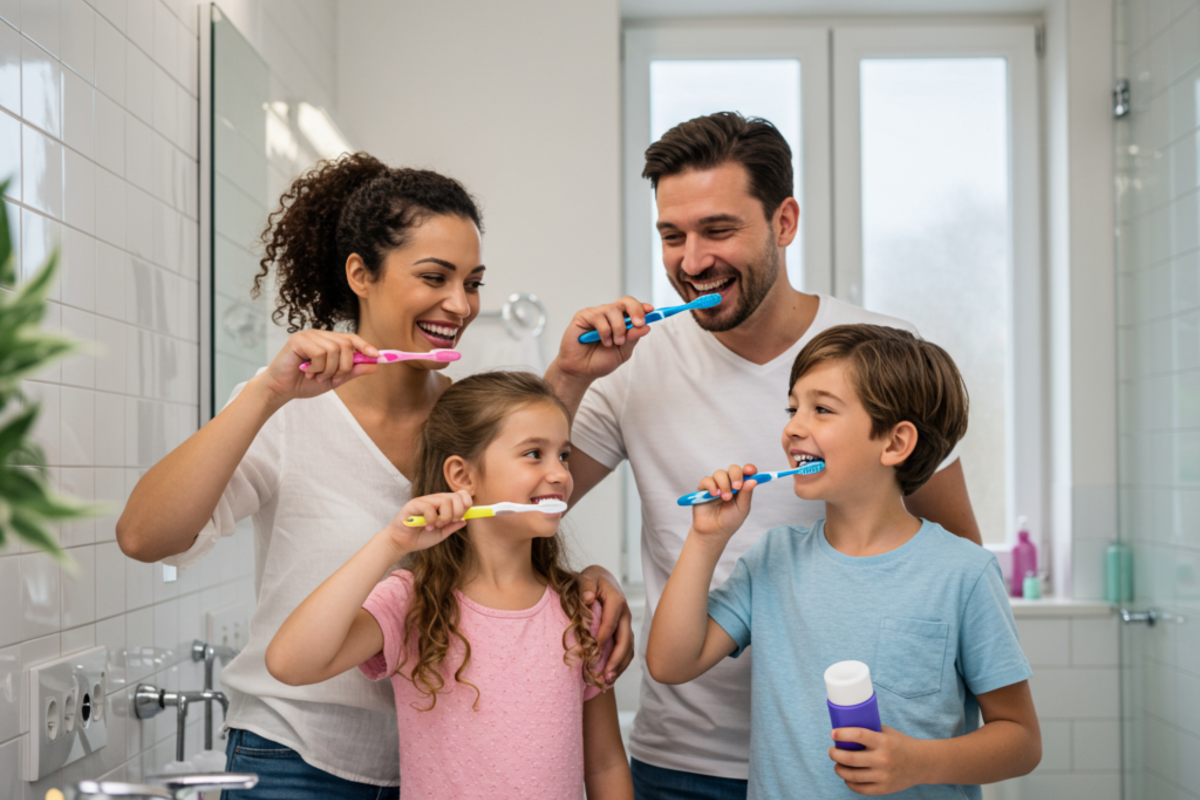
Children’s toothbrushes, however, tend to have a shorter lifespan. Kids often brush with more enthusiasm and may chew on bristles, causing them to fan out or fray much faster. In most cases, changing a child’s toothbrush every two months—or even sooner if you notice visible wear—will ensure effective plaque removal and help instill good oral hygiene habits from the start.
No matter your age, anytime you or a family member recovers from an illness like strep throat, the flu, or an oral infection, replace your toothbrush right away. This reduces the risk of reinfection and stops germs from spreading to others in the household. Setting calendar reminders or replacing toothbrushes at the start of each new season can make it easy to remember this small but impactful habit—one that supports healthy smiles for every member of your family.
Clear Signs It’s Time to Replace Your Toothbrush Sooner
While the three-month mark is a reliable standard, sometimes your toothbrush gives you clear signals that it’s ready for retirement much sooner. One of the most obvious—yet often overlooked—indicators is the condition of the bristles. If they appear frayed, bent, splayed outward, or have lost their original color, your toothbrush can no longer clean effectively. This is your cue to grab a new one, regardless of how much time has passed since your last replacement.
A buildup of toothpaste, stubborn stains, or residue that won’t wash away—even with a thorough rinse—should never be ignored. These signs suggest that bacteria and debris may be accumulating, turning your toothbrush into a breeding ground rather than a cleaning tool.
Perhaps less obvious, but equally important, is what happens after you’ve been sick. Even if your toothbrush looks fine, the bristles may harbor lingering viruses or bacteria from your illness. For your own health and the safety of others, always swap your brush after recovering from a cold, flu, or oral infection.
Accidents happen, and if your toothbrush lands on the bathroom floor or another unsanitary surface, it’s best not to take chances—replace it immediately. Lastly, any odd odors or unusual tastes coming from your toothbrush are unmistakable warnings of bacterial contamination. Stay alert to these signs, and you’ll protect your mouth from a host of potential problems.
Caring for Your Toothbrush: Simple Habits for Better Dental Care
Taking good care of your toothbrush not only helps it last longer but also minimizes your exposure to harmful germs. After every brushing, make sure to rinse your toothbrush thoroughly with hot water, removing any lingering toothpaste and debris. Allowing the brush to air dry is crucial—store it upright in a holder, not lying flat or in a closed container, as trapped moisture encourages bacteria and mold to thrive.
Where you store your toothbrush matters, too. Aim to keep it at least three feet away from the toilet. Flushing can send tiny droplets into the air, potentially contaminating anything nearby—including your toothbrush. If you share a bathroom with others, ensure your brushes aren’t touching to avoid cross-contamination.
It’s also important to remember that toothbrushes are personal hygiene items and should never be shared, even among family members, as this can transfer bacteria and increase the risk of infections. Avoid boiling your toothbrush or soaking it in strong chemicals to disinfect it—these methods can damage the bristles and reduce cleaning effectiveness.
Finally, always choose toothbrushes with soft bristles, especially for children and those with sensitive gums. Soft bristles clean effectively without causing enamel erosion or gum irritation. Opt for brushes that carry the seal of approval from reputable dental organizations, such as the ADA, to ensure quality standards are met.
Small Changes, Big Impact: Protecting Your Smile Between Dental Visits
While professional dental care forms the foundation of a healthy smile, what you do at home between visits is equally important. Regularly replacing your toothbrush is one of the simplest steps you can take to reduce plaque buildup, lower your chances of developing gum disease, and keep tartar in check. Pair this with proper brushing technique—using gentle, circular motions rather than harsh scrubbing—and you’ll protect both your tooth enamel and your gumline.
Life gets busy, so practical strategies like setting digital calendar alerts or marking your family calendar for toothbrush changes every three months (or every two months for kids) can make it easier to stick to this healthy routine. Inspect your brush often, and don’t hesitate to swap it out sooner if you notice signs of wear or after anyone in your home has been sick.
Attentive toothbrush care—such as rinsing well, storing the brush upright, and avoiding enclosed holders—helps keep bacteria at bay and ensures that every brush delivers the cleaning your mouth deserves. These small, consistent habits do more than just fight cavities and freshen breath—they support the results of professional treatments, from teeth whitening to restorative dentistry.
By making timely toothbrush replacement part of your family’s everyday routine, you’re investing in brighter smiles, healthier gums, and the confidence that comes from knowing you’re doing all you can to protect your oral health.