Now Welcoming New Patients

Small Cavity Now, Simple Fix Now: Why Early Treatment Matters More Than Most People Think
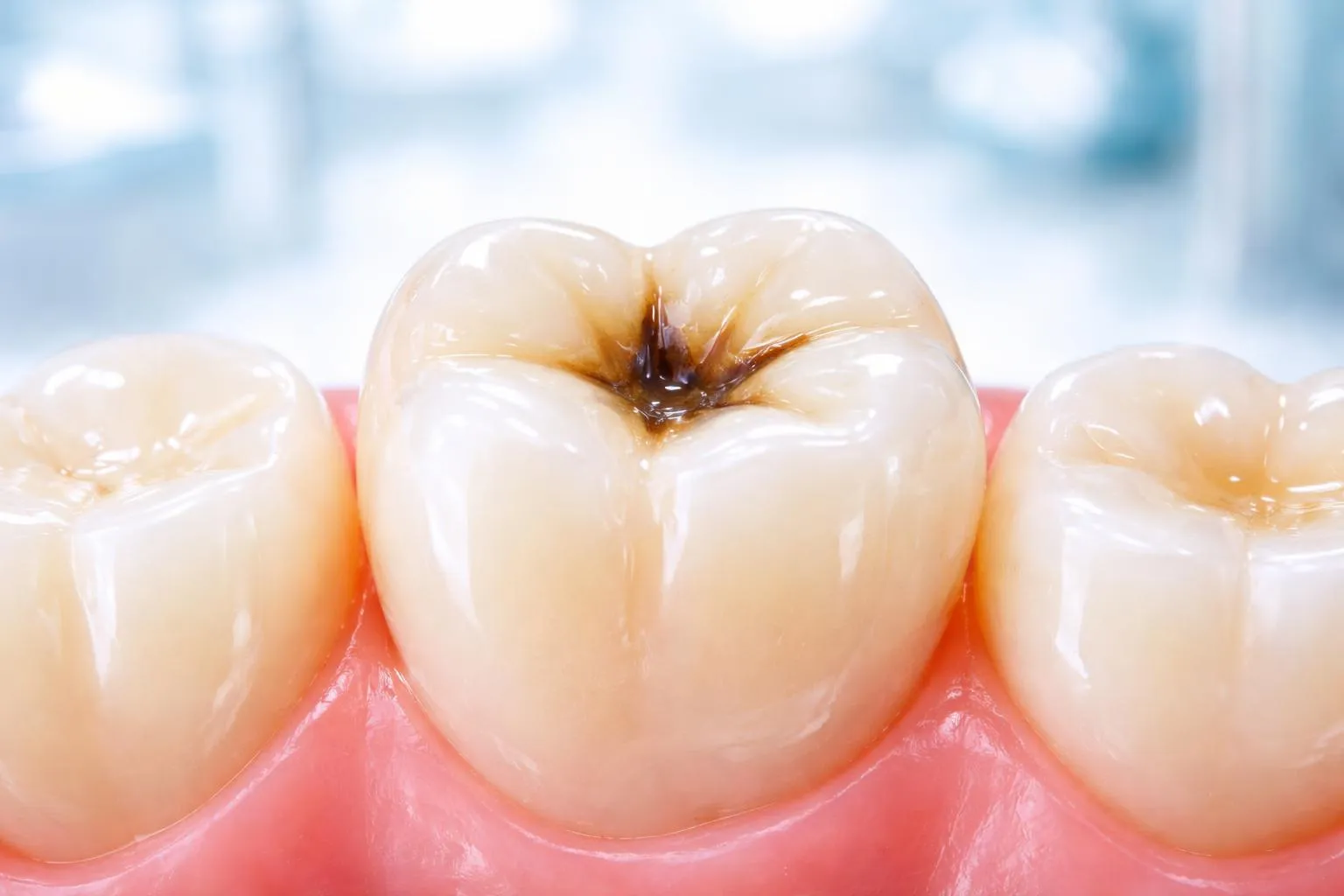
A cavity does not always announce itself.
That is the part many people find surprising. No sharp pain. No obvious hole. No sensitivity when you sip something cold. The tooth can seem completely fine, and decay can still be starting.
This is one reason routine dental care matters so much. A regular checkup is not only about cleaning off plaque or hearing the usual reminder to floss more. It is also about catching the small, quiet changes that are easy to miss at home.
When a cavity is found early, treatment is usually simple. In many cases, a small tooth-colored filling is enough to repair the tooth and stop the problem from getting worse. If that same area is left alone for too long, though, decay can move deeper into the tooth. Then the fix often becomes more involved, more time-consuming, and more expensive.
That sounds obvious when you say it out loud. Still, people delay dental visits all the time. Life gets busy. Kids have activities. Work piles up. A tooth that does not hurt slips to the bottom of the list.
Unfortunately, cavities do not care whether your calendar is full.
Why cavities can stay hidden for so long
A cavity starts when acids made by bacteria wear away tooth enamel. Early on, that damage is tiny. It may affect only the outer layer of the tooth, which does not always cause pain.
Pain tends to show up later, when decay gets closer to the inner layers of the tooth. That is a problem, because by the time something hurts, the issue is often larger than it was months earlier.
This is why a dentist does not rely only on what you feel. Visual exams, gentle probing, and dental X-rays can reveal decay long before it becomes obvious at home. Those tools are part of preventive dental care, and they matter because teeth are not great at sending early warning signals.
Think of it this way: a small cavity is often a quiet problem. A painful tooth is usually a louder, later problem.
What a dentist looks for at a checkup
A routine exam is not only about spotting a fully formed cavity. It is also about looking for the early signs that decay may be starting. That can include:
softening enamel
white or chalky areas where minerals are being lost
small dark spots in grooves or between teeth
changes visible on X-rays before a surface breaks open
old fillings that are starting to leak or wear down
This matters for adults, but it matters just as much in pediatric dentistry. Children’s teeth can develop cavities quickly, especially in deep grooves on molars or between tightly spaced teeth. Teens are not immune either. Sports drinks, snacking, braces, and irregular brushing can all raise the risk.
For families, regular checkups are less about reacting to emergencies and more about staying ahead of them.
The best-case scenario: a small filling
If decay is found early, the fix is often straightforward. That is the good news.
A small cavity can often be treated with a tooth-colored filling. The decayed part of the tooth is removed, the area is cleaned, and the filling material is placed to restore the shape and function of the tooth. In many cases, the visit is fairly quick. People often build it up in their minds and then leave thinking, “That was easier than I expected.”
Tooth-colored fillings are common in restorative dentistry because they blend in well and bond directly to the tooth. They are used for both children and adults, depending on the situation.
A few things make early fillings easier:
Less tooth structure needs to be removed
When decay is small, the repair can stay small. That helps preserve more healthy tooth.
Treatment is usually simpler
A filling is generally much more straightforward than a crown, root canal, extraction, or tooth replacement.
Recovery is usually minimal
Most people go back to their usual day without much trouble after a small filling. Some feel mild sensitivity for a short time, but it is typically manageable.
Cost is often lower
Dental care is not just a health issue. It is also a budget issue for many households. Early treatment often means a smaller bill than delayed treatment.
What happens when you wait
This is where the “small cavity now, simple fix now” idea becomes real.
Decay does not stop on its own. Once a cavity has formed, home care can help slow things down, but brushing and flossing alone cannot reverse a hole in the tooth. The damaged area needs treatment.
If the cavity keeps growing, it can move from the enamel into the dentin, the softer layer underneath. Dentin breaks down more quickly, so the problem often speeds up at that point. If decay reaches the pulp, where the nerve and blood supply are located, pain and infection become more likely.
That can lead to:
a larger filling
a dental crown
endodontics, such as root canal treatment
an extraction if the tooth cannot be saved
This is the part people usually want to avoid, and understandably so.
A root canal is not something to fear as much as people think, but few would choose it over a small filling if given the option. The same goes for losing a tooth. Once that happens, treatment may involve restorative dentistry on a bigger scale, including bridges or dental implants. In some cases, oral surgery is part of the process.
None of those treatments are “bad.” They are useful, important parts of modern dentistry. But when a smaller fix would have worked earlier, most people would rather take the smaller fix.
Why “it doesn’t hurt” is not a reliable test
This belief causes a lot of trouble: if it doesn’t hurt, it must be fine.
I get why people think that. Pain feels like a reasonable alarm system. The problem is that cavities are not always polite enough to use one.
Some areas of decay stay painless for a long time. Cavities between teeth are a common example. They can grow out of sight and out of mind until they are large. Teeth with old fillings can also develop new decay around the edges without obvious symptoms at first.
Even when there is sensitivity, people often explain it away. “It only happens with ice cream.” “It went away after a day.” “I probably brushed too hard.” Sometimes those explanations are true. Sometimes they are not.
A better rule is simple: if something feels different, get it checked. And even if nothing feels different, keep your regular exams.
Who is more likely to get cavities?
Anyone with teeth can get cavities, but some people have a higher risk.
That includes:
Children
Young children are still learning good brushing habits, and they often need help longer than parents expect. Frequent snacking and juice can also raise cavity risk. Pediatric dentistry focuses heavily on prevention for this reason.
Teens
Braces, busy schedules, sports drinks, and inconsistent routines can make teen years rough on teeth.
Adults with dry mouth
Saliva helps protect teeth. When saliva is reduced, decay can start more easily. Dry mouth may be linked to medications, medical conditions, or mouth breathing.
People with a history of fillings or decay
Past cavities are a useful predictor of future ones. If you have had them before, you may need closer monitoring.
People with limited dexterity or special care needs
Brushing and flossing can be harder for some patients because of physical, developmental, sensory, or medical challenges. Adapted dental care and more tailored prevention plans can help a lot.
The early signs people miss at home
You cannot diagnose a cavity reliably in your bathroom mirror, but there are clues worth paying attention to.
Watch for:
a rough spot on a tooth
food catching in one area more than usual
new sensitivity to cold, sweets, or pressure
a visible dark spot or tiny hole
floss shredding in the same place
bad breath or bad taste that keeps returning
gum irritation around one tooth
None of these signs automatically means “cavity,” but they all justify a closer look.
How regular checkups save more than teeth
People often frame checkups as a way to avoid pain. That is true, but it is only part of the story.
Regular visits can also save:
Time
A small filling can often be completed in one shorter appointment. Bigger treatment plans may require multiple visits.
Money
Small problems usually cost less than large ones. That is not always comforting, but it is often true.
Tooth structure
Natural tooth matters. The more healthy structure you keep, the better.
Stress
Many people feel more anxious when they wait. A small issue they hoped would disappear turns into a bigger problem, and then the appointment feels heavier than it needed to be.
There is also a family logistics piece here. Parents in North Vancouver and everywhere else are already juggling enough. Preventive dental care tends to be easier to plan around than urgent treatment for a painful tooth.
What you can do between appointments
Checkups matter, but what happens at home matters too.
Here are a few habits that make a real difference:
Brush twice a day with fluoride toothpaste
Fluoride helps strengthen enamel and can slow early damage before it turns into a cavity.
Clean between teeth daily
Floss, floss picks, or interdental brushes help remove plaque where a toothbrush cannot reach. Many cavities start between teeth.
Watch the frequency of sugar, not just the amount
This surprises people. Sipping sweet drinks or grazing on sugary snacks all day can be harder on teeth than eating something sweet with a meal and moving on.
Drink more water
Water helps rinse the mouth and supports saliva. If your local tap water contains fluoride, that may help too.
Do not ignore dry mouth
If your mouth often feels dry, mention it at your appointment. It changes cavity risk and may call for a different prevention plan.
Replace “I’ll wait and see” with “I’ll get it checked”
This is probably the most practical advice in the whole article.
A quick note on cosmetic care versus health care
People sometimes confuse cosmetic concerns with health concerns, especially if they are thinking about teeth whitening or improving the look of their smile.
Teeth whitening can brighten teeth, but it does not treat decay. In fact, whitening products should not be used as a substitute for an exam if you think something is wrong. If a tooth has a cavity, crack, or leaking filling, that issue needs proper dental care first.
The same goes for wanting a smile to “look better.” Cosmetic goals are valid. They just should not distract from the basics. A healthy tooth beats a whiter unhealthy tooth every time.
When a cavity becomes something more serious
Once decay reaches the nerve, the conversation changes. Symptoms may include spontaneous pain, lingering sensitivity, swelling, or pain when biting. At that stage, endodontics may be needed to save the tooth. If the tooth is too damaged, removal may be the better option.
After an extraction, replacing the tooth is often worth discussing. Missing teeth can affect chewing, shifting, and bite balance. Depending on the case, restorative dentistry may involve a bridge, denture, or dental implants. Some situations also involve oral surgery.
Again, those treatments exist for a reason. They help people every day. But they usually come later in the story, after a problem had time to grow.
For parents: small cavities matter in baby teeth too
This topic deserves its own section because baby teeth are often underestimated.
Some parents assume a cavity in a baby tooth is not a big deal because the tooth will fall out anyway. That is understandable, but it is not quite right. Baby teeth help with chewing, speech, comfort, and guiding adult teeth into place. If decay is ignored, children can end up with pain, infection, trouble eating, sleep problems, and early tooth loss.
Early treatment in pediatric dentistry is often the gentlest path. Small issues are usually easier for the child, the parent, and the dental team than large ones.
If you are nervous about going in
You are not alone. Dental anxiety is common, including among adults who “should know better.” I do not love that phrase, honestly. Fear is fear. It does not respond well to shame.
If nerves make you delay appointments, try reframing the visit. You are not going in because something terrible must be happening. You are going in so that, if something small is happening, it can stay small.
That is a much kinder way to think about it.
The bottom line
A tooth can look normal and feel normal while a cavity is getting started. That is exactly why regular exams matter. They catch problems early, when treatment is often simple and conservative.
In many cases, a small tooth-colored filling is enough.
Wait too long, and the same spot can turn into a much bigger job. That might mean a crown, endodontics, an extraction, or replacement options such as dental implants. None of that happens overnight, but decay does not pause just because it is quiet.
If it has been a while since your last checkup, or if one tooth has felt a little “off,” that is reason enough to book an exam with a dentist. For individuals and families in North Vancouver, that one routine step can make the difference between a small cavity now and a much more complicated fix later.