Now Welcoming New Patients

Why Does Invisalign Hurt? Causes, What’s Normal, and How to Feel Better

If you just started Invisalign and your teeth feel sore, you are not imagining it. Clear aligners are usually more comfortable than braces, but “more comfortable” does not mean “you won’t feel a thing.” A new tray can make your teeth tender, your gums a little annoyed, and your mouth weirdly aware of itself for a day or two.
That part is normal.
What throws people off is not knowing where the line is. Mild pressure is expected. Sharp pain, a tray that digs into your gums, or one tooth that suddenly feels very wrong is different.
Here’s what Invisalign pain usually means, how long it tends to last, and what you can do to make treatment easier.
First, yes, Invisalign can hurt a little
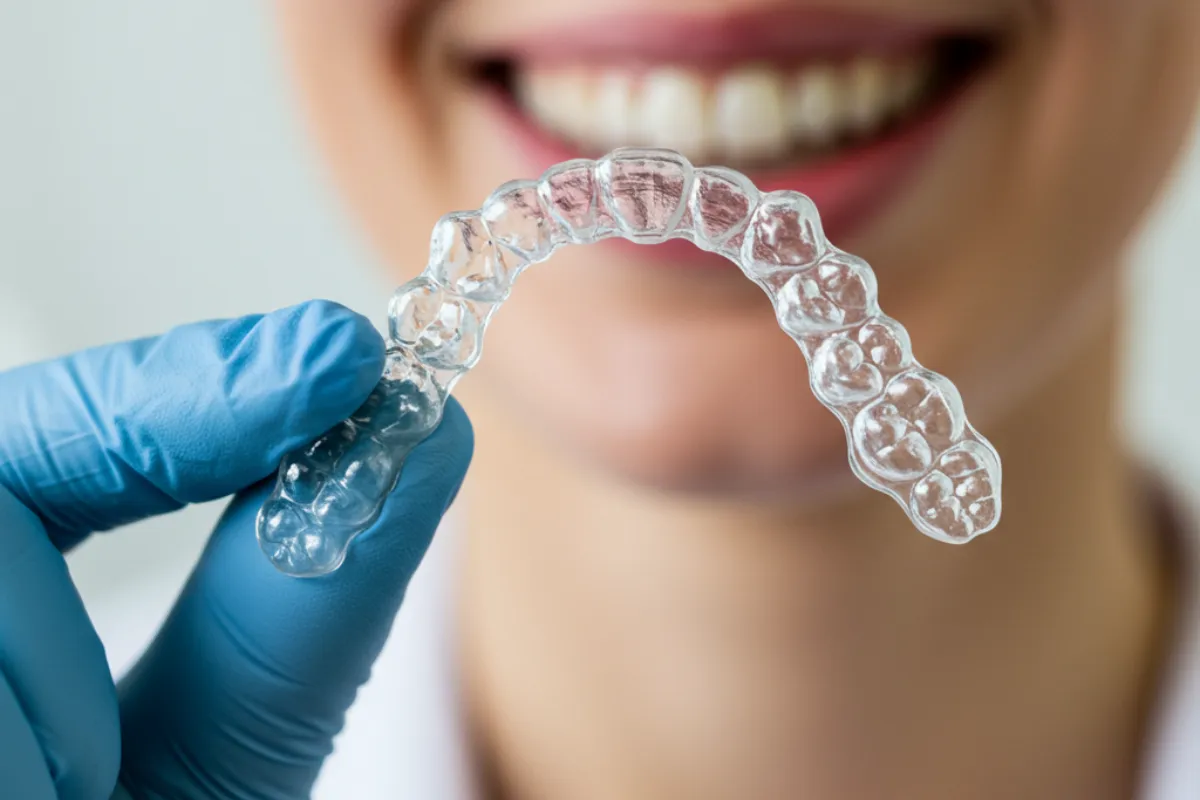
Invisalign works by applying steady pressure to move teeth in small steps. That pressure affects the periodontal ligament, which is the tissue around each tooth, and it triggers bone remodeling. In plain language, your mouth is adjusting so your teeth can shift into new positions.
That adjustment can feel like:
pressure when you put a new tray in
soreness when chewing
tenderness around a few teeth
a tight feeling for the first couple of days
For most people, the discomfort is mild to moderate and temporary. It is often strongest in the first 24 to 72 hours after switching to a new aligner. Then it settles down.
Honestly, the surprise is often worse than the pain. People expect plastic trays to feel effortless. Then day one hits and biting into a sandwich feels like a bad idea.
Why Invisalign hurts
There is not just one reason. Sometimes it is normal movement. Sometimes it is irritation from the tray itself. Sometimes pain has less to do with the aligner and more to do with a dental problem that was already there.
Normal tooth movement
This is the most common reason. Each tray is shaped a little differently from the last one. When you switch trays, the new aligner starts nudging certain teeth. That creates pressure.
Pain from normal movement usually feels dull, tight, or sore. It tends to affect several teeth, not just one isolated spot. It is often worse when removing the tray or chewing.
You did not wear the last tray long enough
Invisalign only works well when you wear the aligners as directed, usually 20 to 22 hours a day. If they stay out too long, your teeth can rebound slightly. Then when you put the tray back in, it feels much tighter.
This is common with teens, busy adults, and honestly anyone who gets tired of taking trays out for coffee, snacks, or social events. The less consistent the wear, the more uncomfortable each tray change tends to feel.
A new tray has rough edges
Sometimes the problem is not your teeth. It is the plastic.
An aligner can have a rough edge that rubs against your gums, tongue, lips, or the inside of your cheeks. That kind of pain feels more like irritation or a little cut than deep tooth soreness. You may notice one sore spot that gets worse throughout the day.
Attachments and elastics can rub
Many Invisalign cases use small tooth-colored attachments to help the trays grip and move teeth more precisely. Some people also wear elastics. These are useful tools, but they can create friction, especially at the beginning.
If your cheeks feel scraped up or your lips keep catching on the attachments, that is usually soft tissue irritation, not a sign that the treatment is going badly.
Taking the aligners out can hurt
This is especially true during the first few days of a tray. Popping the aligner off can feel uncomfortable because the teeth are under pressure, and some teeth may be more mobile than usual during movement.
That little jolt can be alarming, but brief discomfort during removal is common.
You clench or grind your teeth
If you already clench or grind, Invisalign can make you notice it more. Some people bite down on their trays without realizing it, especially when stressed or sleeping. That extra pressure can leave the jaw sore and make teeth feel more tender than they otherwise would.
In that case, the trays are not exactly causing the pain, but they may be part of why you are noticing it.
There is an underlying dental problem
This is the part people sometimes miss. Not every toothache during Invisalign is “just the aligners.”
If you have a cavity, gum inflammation, a cracked tooth, exposed root surfaces, or a tooth that was already sensitive, moving that tooth may wake up the problem. Pain from an underlying issue often feels sharper, more focused, and more persistent.
This matters if you have had previous dental care too. Teeth with crowns, large fillings, or work from restorative dentistry can still move, but they may need closer monitoring. If you have had endodontics, meaning root canal treatment, that tooth may move differently or feel different. Dental implants are a separate case because implants do not move like natural teeth. Any Invisalign plan around implants needs careful positioning. And if you recently had oral surgery, your mouth may simply still be healing.
So yes, aligners can hurt. But if one tooth feels dramatically worse than the others, it is worth checking.
The tray does not fit the way it should
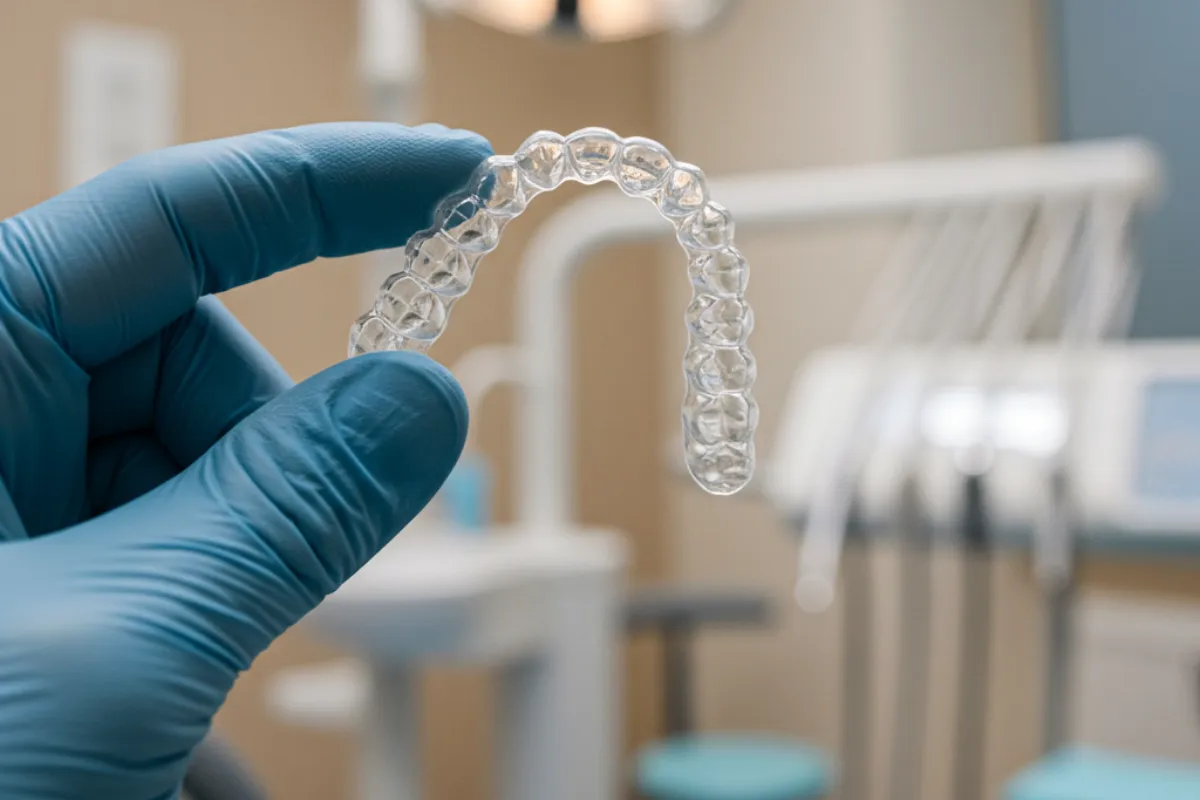
A tray that will not fully seat, lifts off certain teeth, or feels warped can cause trouble. Sometimes the fit issue is minor and fixable with “chewies,” which are soft tools that help seat the aligner. Sometimes it means the teeth did not track exactly as planned.
Poor tracking can create pressure in the wrong places and make the tray feel unusually painful.
How long does Invisalign pain last?
For most people, soreness is worst:
when they start the first tray
when they switch to a new tray
after adding attachments or elastics
after any treatment adjustment
The pattern is pretty consistent. It often starts within a few hours, peaks over the next day or two, and improves after that.
A mild tight feeling may linger for several days, but severe pain that keeps getting worse is not typical. Neither is pain that makes it hard to sleep, eat, or function normally.
If each new tray hurts a little less than the one before, that is common. You get used to the rhythm of treatment.
How to relieve Invisalign pain
Most soreness can be handled at home. The goal is not to feel absolutely nothing. The goal is to keep discomfort manageable while your teeth keep moving.
1. Change to a new tray at night
This is one of the best tricks. Put in the new aligner right before bed. You will sleep through several of the earliest, tightest hours.
When you wake up, you may still feel pressure, but you will probably miss the worst of that initial adjustment.
2. Stick to soft foods for a day or two
If chewing hurts, do not force it. Eat softer foods until the tenderness settles. Yogurt, soup, eggs, pasta, smoothies, rice, oatmeal, and cooked vegetables are usually easier than crusty bread, raw carrots, or tough meat.
This is temporary. You are not signing up for weeks of mashed potatoes.
3. Use cold water, not hot water
Cold water can be soothing for sore teeth and irritated gums. Hot water is a bad idea because it can warp the aligner plastic and affect the fit.
That point is easy to overlook. Warm seems comforting. For the tray itself, it is not.
4. Ask about safe pain relief
If you can normally take over-the-counter pain medicine, it may help during the first day or so of a new tray. Follow the label and your own medical guidance. If you are unsure what is safe for you or your child, ask your dentist or physician.
5. Use orthodontic wax for rubbing spots
If a tray edge or attachment is irritating your cheek or lip, orthodontic wax can create a small barrier and give the tissue time to calm down.
If the edge is clearly rough, your dentist may be able to smooth it quickly. Do not try to reshape the whole aligner yourself.
6. Keep the aligners seated properly
If the tray feels loose in spots, use your chewies if your provider gave you some. Gentle, regular use can help the aligner fit more evenly and reduce awkward pressure points.
This is especially useful during the first day of a new tray.
7. Wear the aligners consistently
This one is not glamorous, but it works. The more consistent you are, the less your teeth have to “relearn” the tray every time you put it back in.
Taking aligners out for long stretches almost always makes them feel worse later.
8. Keep your mouth clean
Food trapped under an aligner, irritated gums, and plaque buildup can make everything feel more uncomfortable. Brush and floss carefully, and clean the trays as directed.
If your gums are inflamed, even a well-fitting aligner can feel harsher than it should.
9. Pay attention to clenching
If you catch yourself biting down on the trays all day, try to relax your jaw. Lips together, teeth apart is a simple reminder. If jaw pain is a bigger pattern for you, bring it up at your next visit.
Pain that is not normal
A lot of Invisalign discomfort is routine. Some of it is not. Call your dentist if you notice:
severe or worsening pain after several days
one tooth that hurts much more than the rest
swelling, bleeding, or signs of infection
a tray that will not seat properly
sharp plastic cutting your gums
a cracked tooth or broken restoration
jaw pain that is intense or persistent
fever, facial swelling, or a bad taste in the mouth
If you are in North Vancouver and something feels off, getting it checked early is much easier than waiting and hoping it settles down.
What if you have crowns, fillings, implants, or other dental work?
This is a smart question, especially for adults.
Invisalign can work well for people who have had previous dental care, but those teeth sometimes need a closer look. A tooth with a large filling or crown may be more sensitive during movement. A tooth that had endodontics may not feel pain in the usual way, so the surrounding tissues need attention. Dental implants do not move, which means the treatment plan has to work around them rather than through them.
That does not mean Invisalign is off the table. It means your provider needs the full picture.
If you are still exploring whether aligners make sense in your case, this overview of Invisalign treatment options in North Vancouver gives a helpful summary of how treatment is planned and who tends to be a good fit.
A few myths worth clearing up
One myth is that more pain means the aligners are working better. That is not really true. Teeth can move efficiently with mild pressure. Severe pain is not a badge of progress.
Another myth is that all sensitivity during Invisalign is harmless. Also not true. If pain is sharp, one-sided, or linked to swelling, it deserves attention.
And one more, because I see this confusion a lot: Invisalign trays are not the same as teeth whitening trays. Do not put random whitening gels or household products in them hoping to fix soreness or “clean” them. Use products your dental team recommends.
Invisalign pain in teens and younger patients
Teens often do very well with clear aligners, but discomfort can spike when wear time slips. A tray that feels brutal on Monday may simply be the result of not wearing it enough over the weekend.
For younger children, Invisalign is not always the first orthodontic option. That is where pediatric dentistry and orthodontic guidance matter. The right treatment depends on age, growth, tooth development, and how well a child can manage the routine.
For families, the practical part matters as much as the technical part. A tray only works when it is in the mouth.
When soreness is actually a sign things are on track
This may sound odd after all the warnings, but a little soreness often means the tray is doing what it was designed to do. You switched aligners, the fit feels snug, a few teeth are tender for a couple of days, then things improve. That is the usual pattern.
What you want is manageable discomfort with a clear timeline.
What you do not want is escalating pain, a tray that feels impossible to wear, or symptoms that point to a gum or tooth problem instead of regular movement.
The bottom line
Invisalign pain is common, especially at the start of treatment and with each new tray. Most of the time, it comes from normal tooth movement and fades within a few days. Soft foods, nighttime tray changes, cold water, good oral hygiene, and consistent wear usually help a lot.
If the pain is sharp, severe, or focused on one tooth, do not shrug it off. Sometimes the issue is the tray. Sometimes it is an underlying dental problem. Either way, it is worth having a dentist look at it.
A little pressure is part of the process. Suffering through something that feels wrong should not be.