Now Welcoming New Patients

Why Brushing Twice a Day Is Still One of the Best Things You Can Do for Your Teeth
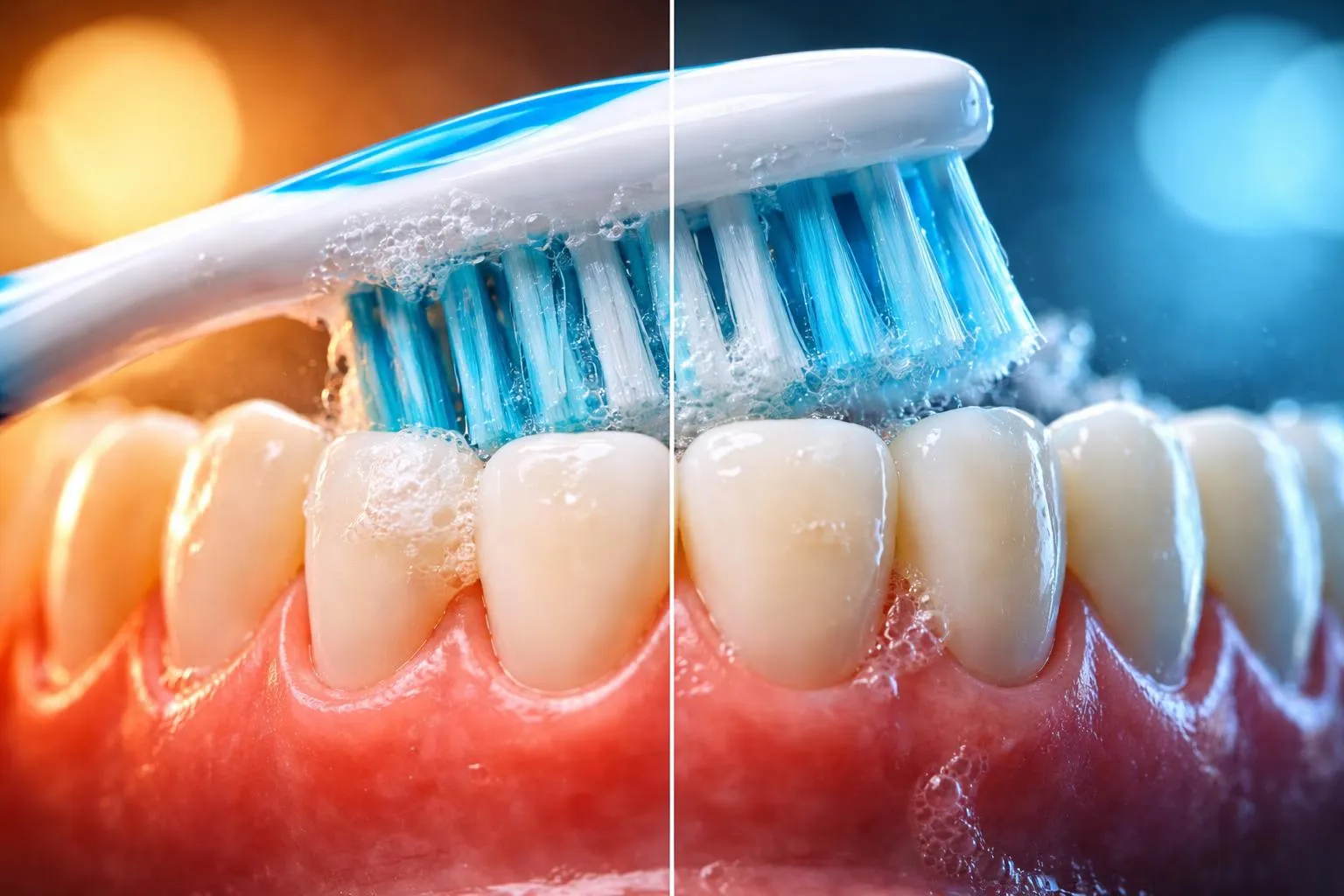
For something so ordinary, toothbrushing carries a lot of weight.
People often look for the big fix, a whitening treatment, a better toothbrush, a perfect toothpaste, a reset after a painful cavity. But the habit that does the most work is still the plain one you learned as a kid: brush your teeth twice a day, once in the morning and once before bed, for at least two minutes.
It sounds almost too simple. That is probably why people underestimate it.
Good brushing will not solve every dental problem. Genetics matter. Diet matters. Dry mouth matters. Medications matter. Life gets messy. Still, if you want a routine that lowers your chances of cavities, gum disease, bad breath, staining, and expensive treatment later, twice-daily brushing is hard to beat.
The twice-a-day rule is simple, but the timing matters
Brushing in the morning and before bed is not random advice. Those two times cover the periods when your mouth needs help most.
In the morning, your mouth has been sitting dry for hours. Saliva flow drops while you sleep, and saliva does a lot of cleanup work during the day. Less saliva means bacteria have more room to grow. That is why many people wake up with fuzzy-feeling teeth or bad breath. Morning brushing clears away plaque and freshens things up before breakfast, coffee, school, work, or conversation with another human standing much too close.
At night, brushing matters even more.
If I had to choose one brushing session never to skip, it would be the one before bed. During the day, you eat, drink, snack, sip, and talk. Food particles and bacteria build up. If you fall asleep without brushing, all of that sits on your teeth and along your gums for hours. Your mouth is drier overnight, which gives cavity-causing bacteria a pretty comfortable setup.
Morning brushing resets the day. Bedtime brushing protects the night.
What happens when you brush for a full two minutes
A quick scrub for 20 or 30 seconds feels productive, but it usually misses a lot of tooth surface. Two minutes gives you enough time to reach the outside, inside, and chewing surfaces of all your teeth, plus the gumline where plaque likes to collect.
Plaque is a sticky bacterial film. It forms constantly. You cannot stop it from forming, but you can disrupt it before it has time to do more damage. When plaque stays put, it feeds on sugars from food and drink and produces acids that wear away enamel. Along the gums, it can irritate tissue and lead to gingivitis. Left alone long enough, it hardens into tartar, and a toothbrush cannot remove tartar once it is there.
Two minutes also gives fluoride toothpaste time to do its job. Fluoride helps strengthen enamel and makes teeth more resistant to acid attacks. Brushing is not just sweeping dirt away. It is also delivering protection.
That is why technique and time matter more than brute force. Scrubbing harder does not clean better. Usually it just irritates the gums and wears down the brush.
How to brush well without overthinking it
You do not need a complicated routine. You need a consistent one.
Use a soft-bristled toothbrush and fluoride toothpaste.
Angle the brush toward the gumline.
Move it gently in small circles, cleaning the front, back, and chewing surfaces of every tooth.
Keep going for at least two minutes.
Brush your tongue too, then spit out the toothpaste.
A lot of people press too hard. If your toothbrush bristles splay outward quickly, that is a clue. Gentle brushing works better and feels better over time.
Electric toothbrushes can help, especially for kids, teens with braces, older adults, or anyone who has trouble with hand strength or coordination. A manual toothbrush can work perfectly well too. The best toothbrush is the one you will use correctly, twice a day, every day.
Morning brushing has a few details people miss
There is a common question here: should you brush before breakfast or after?
If breakfast includes acidic foods or drinks like orange juice, berries, or coffee, brushing right after can be rough on enamel because the acid temporarily softens the tooth surface. In that case, brushing before breakfast is often the better move. If you prefer to brush after eating, it helps to wait about 30 minutes and rinse with water first.
That might sound fussy, but the main point is simpler than that. Do not let the perfect routine become an excuse for no routine. Brush in the morning. If you can fine-tune the timing, great.
Bedtime brushing is where habits usually break
People rarely skip brushing because they forgot teeth exist. They skip because they are tired.
A long commute, homework battles, late sports practice, a baby finally asleep, one more episode, one more scroll. Then it is midnight and the bathroom feels very far away. This is normal. It is also exactly how cavities get a head start.
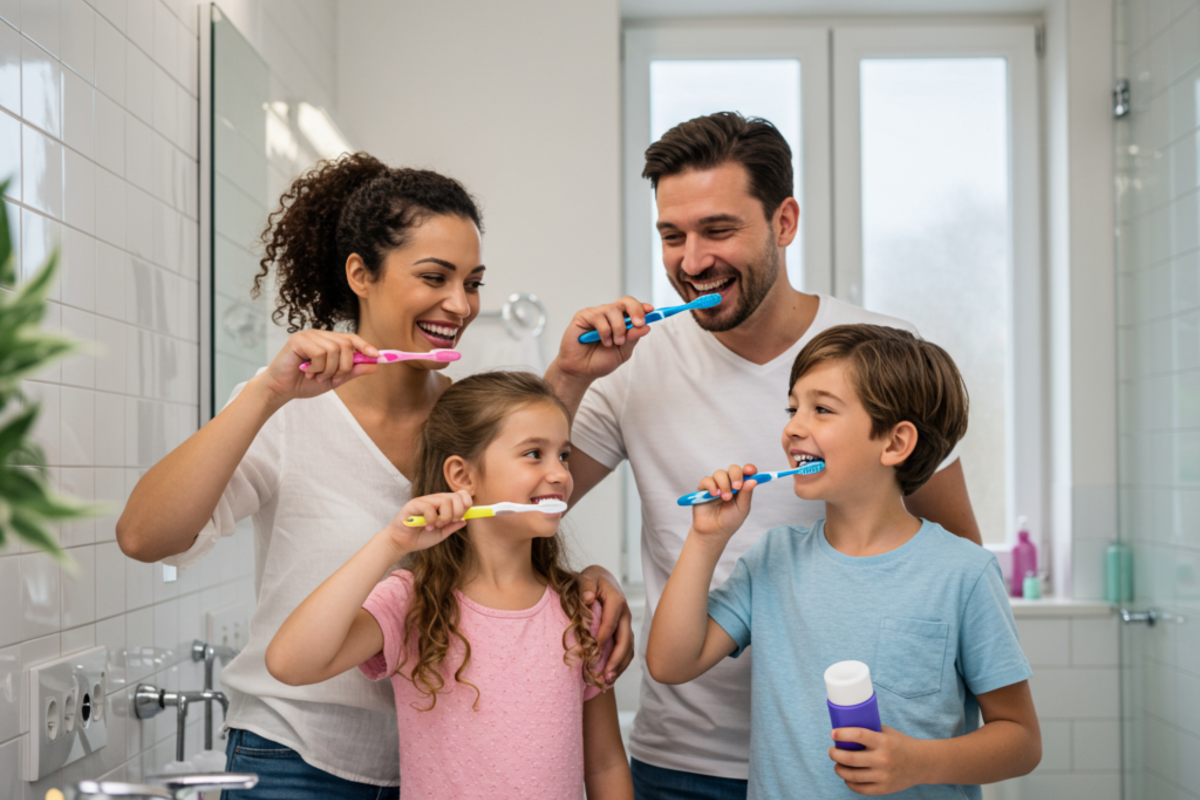
For families, bedtime brushing often works better when it is built into the same order every night: wash face, brush teeth, toilet, pajamas, bed. Repetition helps more than motivation does. Kids do better with structure. Adults do too, if we are being honest.
Many families in North Vancouver juggle packed evenings, school runs, activities, and work. A two-minute routine can feel small against all that. Small is not the same as unimportant.
Why skipping brushing eventually gets expensive
People tend to think of poor brushing as a cosmetic problem first. Bad breath. Yellowing. A fuzzy feeling. Those are real, but they are not the biggest issue.
The bigger problem is what happens when plaque and bacteria sit on teeth day after day.
Cavities can start small and painless, then grow. Gum inflammation can begin with a little bleeding, then become periodontal disease. A cracked or heavily decayed tooth may need restorative dentistry instead of a basic filling. If decay reaches the pulp inside the tooth, endodontics, which includes root canal treatment, may be needed to save it. If a tooth cannot be saved, some people end up needing oral surgery or replacement options such as dental implants.
That is a long chain of events. It often starts quietly. And it often starts with habits that felt minor at the time.
I do not say this to scare people. Life happens. Plenty of careful brushers still need dental care. But weak brushing habits make the odds worse, and they do it slowly enough that people miss the pattern until they are already in the chair asking how this happened.
Brushing needs change a little at different ages
The rule stays the same. The challenges do not.
Young children
Children need help brushing longer than many adults expect. Most do not have the manual skill to brush thoroughly on their own in the early years. Pediatric dentistry visits often include coaching for parents because brushing a child’s teeth is part technique and part diplomacy.
For little kids, a smear or rice-sized amount of fluoride toothpaste is usually used, then a pea-sized amount when they are older, based on age and guidance from a dentist. The bigger point is supervision. If a child is “brushing” by chewing on the toothbrush for 15 seconds, that does not count.
Songs, timers, and brushing together help. So does staying calm. A tense nightly battle can turn a good habit into a power struggle fast.
Teens
Teens have a talent for looking busy while missing the basics. Add braces, aligners, sports drinks, late-night snacks, and inconsistent sleep, and oral hygiene can slip.
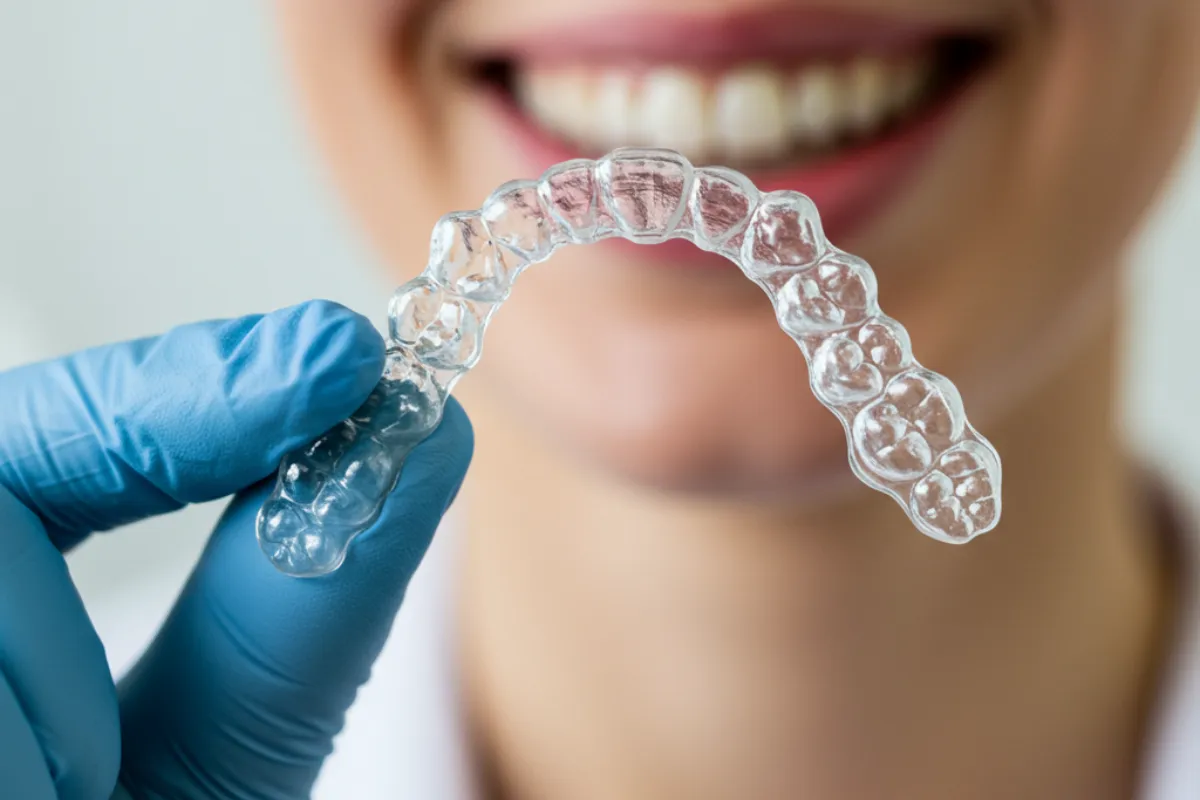
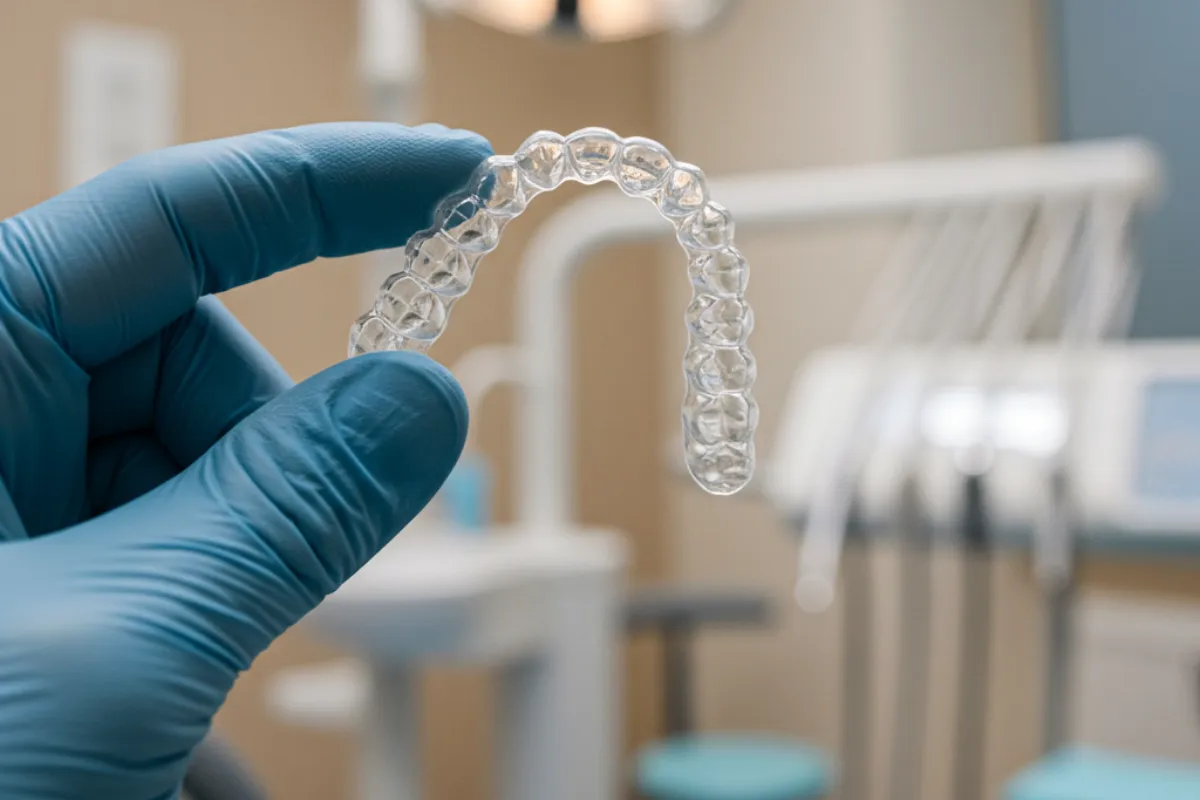
Braces create more places for food and plaque to hide, so brushing well matters even more. The same goes for retainers and aligners. If a teen has orthodontic appliances, a dentist may suggest special brushes or extra tools, but the foundation is still the same two-minute brushing routine.
Adults
Adults usually know what they are supposed to do. The issue is routine drift. Work stress, caregiving, travel, and fatigue get in the way. Coffee, tea, and red wine can add staining. Brushing helps with surface stain control, though it will not produce the kind of change people expect from teeth whitening. Whitening has its place, but it does not replace daily plaque removal.
Adults with crowns, fillings, bridges, or gum recession need steady brushing too. Restored teeth still live in a mouth where plaque forms every day.
Older adults
Dry mouth becomes more common with age, often because of medications or health conditions. That matters because saliva helps protect teeth. When saliva drops, cavity risk can rise, especially along the roots where enamel is thinner or absent.
A soft brush, fluoride toothpaste, and careful bedtime brushing become even more important here. If arthritis or limited mobility makes brushing hard, adaptive toothbrush handles or electric toothbrushes can make a real difference.
People with sensory, physical, or cognitive challenges
A standard routine does not fit everyone. Some people need a smaller brush head, a flavored or unflavored toothpaste, a visual schedule, hand-over-hand help, or a toothbrush with a modified grip. There is no shame in adapting the routine. The goal is clean teeth, not doing it the “normal” way.
Common brushing mistakes that are easy to fix
A lot of problems come from habits people think are helping.
Brushing hard is one. Teeth are not grout lines on a kitchen floor. Aggressive brushing can wear down enamel near the gumline and make sensitivity worse.
Rushing is another. Most people who think they brush for two minutes do not. A timer helps. So does dividing the mouth into four sections and spending about 30 seconds on each.
Old toothbrushes are also a problem. If the bristles are bent and frayed, the brush is past its useful life. Replacing it every three to four months is a decent rule, sooner if it wears out quickly or after certain illnesses.
Mouthwash gets misunderstood too. It can help in some cases, but it does not replace brushing. If plaque is still stuck to the tooth, a rinse will not magically lift it off.
And then there is the “I brushed after lunch, so I can skip bedtime” logic. Nice try. Bedtime still counts.
Brushing is essential, but it is not the whole job
Twice-daily brushing is the foundation. It is not the entire house.
Teeth also need cleaning between them, because toothbrush bristles do not reach those tight spaces well. That means floss, interdental brushes, or another cleaning aid that actually fits your mouth. Regular checkups matter too. A dentist can spot early decay, gum inflammation, grinding wear, recession, and problems around old dental work before those issues become bigger and more expensive.
If you have implants, crowns, bridges, or a history of root canal treatment, home care still matters every day. Dental implants do not get cavities, but the gums and bone around them can still get inflamed if plaque builds up. The same basic lesson shows up everywhere in dental care: repairs help, but prevention is easier on the body and wallet.
What to do if your routine keeps falling apart
Do not aim for a perfect identity like “I am someone who never skips.” That sounds nice and tends to collapse by Thursday.
Aim for a setup that is harder to avoid. Keep the toothbrush visible. Charge the electric toothbrush where you will see it. Use a phone timer. Brush when your child brushes. Put floss where you sit at night if that helps. If bedtime is the problem, do not wait until you are half asleep. Brush earlier, as soon as eating is done.
And if you miss a brushing, just restart at the next one. People waste a lot of energy on guilt that would be better spent in the bathroom sink.
The boring habit is still the smart one
In dentistry, there are a lot of treatments that get more attention than brushing. That makes sense. Treatments are dramatic. They fix visible problems. They can relieve pain fast. But the daily habit is what quietly shapes most outcomes over time.
Brush your teeth in the morning. Brush them before bed. Give it at least two minutes. Use fluoride toothpaste. Be gentle. Keep doing it when life gets busy.
It is ordinary advice because it works. For children, teens, adults, and older adults in North Vancouver or anywhere else, that remains true. A consistent brushing routine will never feel flashy. I would still bet on it over almost any “hack” people try to sell you.