Now Welcoming New Patients

Should You Wait to Brush Your Teeth After Eating? What Saliva Does for Your Enamel

You finish breakfast, take your last sip of orange juice, and reach for your toothbrush. It feels like the right thing to do. Cleaning your teeth promptly should protect them, right?
After acidic foods or drinks, a short wait is usually the better choice. Acid can temporarily soften the outer surface of your enamel, making it more vulnerable to wear from brushing. Saliva helps clear those acids and brings minerals back into contact with your teeth.
That does not mean you need to set a timer after every snack. The type of food, your brushing habits, and your overall oral health all matter. Understanding the difference can help you protect your enamel without making daily dental care complicated.
Why Acid Changes the Best Time to Brush
Enamel is the hard outer covering of your teeth. It handles years of chewing, but it is not immune to damage. Acids can dissolve some of its mineral content, leaving the surface temporarily softer.
Brushing during that period may contribute to wear, particularly if you scrub hard or use an abrasive toothpaste. Repeated acid exposure combined with mechanical wear can gradually thin enamel.
Common sources of dietary acid include citrus fruits, fruit juice, soda, sports drinks, sour candies, and foods prepared with vinegar. Some flavored sparkling waters are acidic, too, especially those containing citric acid.
Sugar and acid cause different problems. Sugar feeds bacteria in plaque, which produce acids that contribute to cavities. Acidic food and drinks can affect enamel directly, even when they contain no sugar. A sugar-free soft drink, for example, may still contribute to dental erosion.
Dental erosion is the loss of tooth structure through chemical action by acids that do not come from plaque bacteria. It is different from tooth decay, although both can affect the same tooth.
How Saliva Helps Protect Your Teeth
Saliva does much more than keep your mouth comfortable. It washes away food particles, dilutes acids, and helps bring the mouth back toward a less acidic state.
Its buffering action is especially useful after eating or drinking something acidic. Saliva contains bicarbonate and other substances that help neutralize acid. It also supplies calcium and phosphate, minerals involved in maintaining and repairing the tooth surface.
This repair process, called remineralization, can strengthen areas of early mineral loss. Fluoride helps support it.
There is an important limit, though: saliva cannot grow back enamel that has already worn away. Once tooth structure is lost through erosion, it does not regenerate. Giving saliva time to work is a preventive measure, not a way to reverse advanced damage.
The speed of recovery also varies. Someone with a healthy saliva flow may clear acids more effectively than someone with dry mouth. Frequent sipping, sticky foods, and repeated acidic snacks can extend exposure.
Think of the waiting period as an opportunity for your mouth to recover, rather than a guarantee that every tooth has returned to its original condition.
How Long Should You Wait After Eating?
After acidic foods or drinks, a practical approach is to wait about an hour before brushing. This allows time for saliva to dilute and neutralize acids and support surface remineralization.
The timing is not an exact biological cutoff. Acid strength, exposure time, saliva flow, and existing enamel wear all affect what happens in your mouth.
You do not necessarily need the same delay after every nonacidic meal. The greatest concern is brushing immediately after a significant acid exposure, such as orange juice, soda, or a citrus-heavy snack.
While you wait, rinse your mouth with plain water. This helps clear residual acids without scrubbing the tooth surface. If appropriate for your age and health, chewing sugar-free gum can also stimulate saliva.
Waiting should not become a reason to skip brushing altogether. Twice-daily brushing with fluoride toothpaste remains a foundation of good oral health.
What if Your Schedule Does Not Allow an Hour?
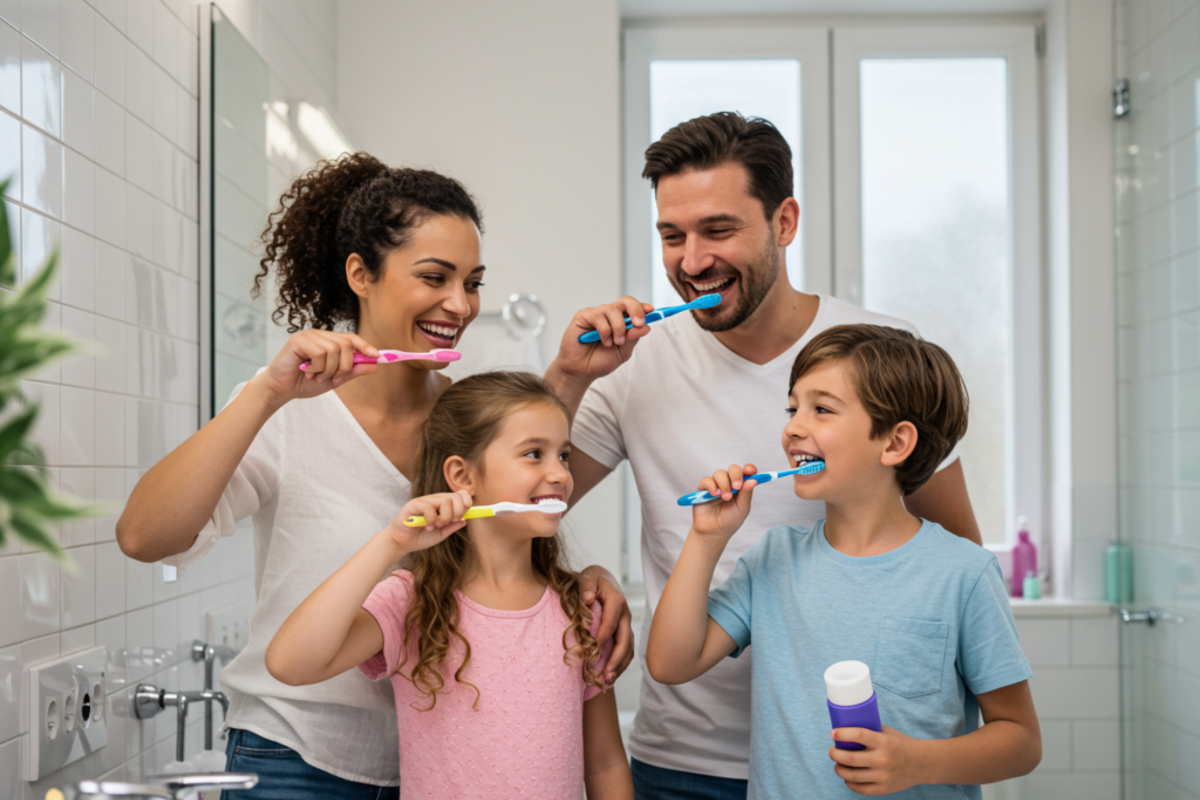
Mornings can be tight, especially when several family members are sharing a bathroom.
If breakfast usually includes acidic foods or drinks, brushing before breakfast is a reasonable option. After eating, rinse with water rather than squeezing in another brushing session immediately.
For someone who prefers brushing after breakfast, adjusting the order of the morning routine may create more time. Eat first, get dressed, pack lunches, and brush later.
Consistency matters more than achieving a perfect schedule every day. If you occasionally brush soon after something acidic, do not panic. Focus on reducing repeated exposure and using gentle technique.
The Way You Eat and Drink Matters, Too
A drink consumed slowly over two hours exposes teeth differently than the same drink finished with a meal. Each sip introduces more acid and interrupts recovery.
That is why frequent sipping can be a bigger problem than an occasional acidic drink enjoyed with food.
You do not need to eliminate nutritious foods such as oranges, tomatoes, or berries. Instead, consider when and how often your teeth encounter acid. Eating acidic foods as part of a meal generally means fewer separate exposure periods than grazing on them throughout the day.
Plain water is a useful everyday drink. Unflavored sparkling water is generally less erosive than many soft drinks, but added citrus flavoring or acids can change that. Check ingredients rather than assuming every clear, sugar-free drink is gentle on enamel.
If you use a straw, position it so the drink passes toward the back of the mouth. It may reduce contact with some teeth, but it does not eliminate acid exposure. Avoid swishing or holding acidic drinks in your mouth.
For families heading to school, sports, or outdoor activities around North Vancouver, keeping water available can make this habit easier. Most routine activities do not require a sports drink.
A Simple Routine That Protects Enamel
Waiting after acid exposure works best as part of a complete routine. It cannot compensate for plaque buildup, aggressive brushing, or frequent sugary snacks.
A practical daily approach is:
Brush twice a day for about two minutes with fluoride toothpaste and a soft-bristled toothbrush.
Use gentle pressure, cleaning along the gumline and across all tooth surfaces.
Clean between your teeth daily with floss or another suitable interdental cleaner.
After acidic foods or drinks, rinse with water and wait about an hour before brushing.
Arrange dental visits at intervals recommended for your individual needs.
After brushing, spit out excess toothpaste rather than rinsing thoroughly with water. This leaves more fluoride in contact with your teeth. Mouthwash is not a replacement for brushing or cleaning between teeth, and it is often better used at a different time so it does not immediately wash away toothpaste fluoride.
Preventive appointments also help identify erosion, decay, and gum problems before you notice symptoms. Learning what is included in routine dental cleaning and prevention can help you understand how professional care supports your home routine.
Can Waiting Help Prevent Tooth Sensitivity?
It can help reduce one contributing factor: avoidable enamel wear after acid exposure. But it cannot prevent every cause of sensitivity.
Underneath enamel is dentin, which contains microscopic channels connected to the tooth’s inner tissues. When enamel becomes thinner or gum recession exposes root surfaces, cold drinks, sweet foods, or brushing may trigger discomfort.
Sensitivity can also come from cavities, a cracked tooth, worn fillings, or temporary irritation after teeth whitening. That is why persistent symptoms deserve an assessment rather than an assumption that brushing timing is the problem.
A dentist may recommend a desensitizing toothpaste, fluoride treatment, or changes to your brushing technique. More substantial tooth damage may need restorative dentistry.
Do not respond to sensitivity by stopping oral hygiene. Use a soft brush, avoid heavy pressure, and seek advice about an appropriate toothpaste. Whitening products and highly abrasive products may be unsuitable while the cause is being investigated.
Sudden pain in one tooth, pain when biting, or discomfort that lingers after hot or cold exposure should be checked promptly.
When Saliva Needs Extra Support
Waiting is less helpful when saliva flow is reduced. Dry mouth can be related to medications, certain medical conditions, radiation treatment involving the head and neck, or other factors.
Signs can include a sticky mouth, difficulty swallowing dry foods, cracked lips, or waking frequently to drink water. Some people notice more cavities or oral discomfort before they recognize the dryness itself.
If this sounds familiar, tell your dentist and discuss possible medication effects with your prescriber. Do not stop prescribed medication on your own.
Frequent sips of water may improve comfort. Sugar-free gum can stimulate saliva when chewing is safe, while saliva substitutes may help some people. A dental professional may also recommend additional fluoride protection.
For children or adults who have swallowing difficulties, sensory sensitivities, or difficulty managing gum safely, other options are preferable. Oral care should fit the person’s abilities and support needs, rather than depend on a single standard routine.
Helping Children Build the Habit
Children do not need a detailed explanation of enamel chemistry. “Water first, brushing later after sour foods” is often enough to begin.
Adults should supervise brushing and help until children can clean their teeth thoroughly. Use an age-appropriate amount of fluoride toothpaste according to local dental guidance and the child’s risk of tooth decay. Keep toothpaste out of reach so it is not eaten.
A pediatric dentistry visit can help families work through practical questions, including frequent snacking, bedtime drinks, or a child who struggles with brushing.
For teens, the main issue may be a pattern rather than a single food: an energy drink during studying, a sports drink at practice, and flavored drinks sipped throughout the day. Reducing repeated acid exposure is often more useful than focusing only on when the toothbrush comes out.
Keep the message calm. Children and teens need workable habits, not the feeling that one glass of juice has damaged their teeth.
What About Reflux or Vomiting?
Stomach acid can also affect enamel. Reflux and vomiting may expose teeth to stronger acid than many foods or drinks.
After vomiting, rinse gently with water and avoid brushing immediately. Waiting about an hour is a reasonable precaution. A dentist may recommend a specific rinse or fluoride routine based on how often this happens.
Recurring reflux or vomiting needs medical attention as well as dental care. The cause may require treatment, and brushing changes alone will not prevent ongoing acid exposure.
During pregnancy, illness, or recovery from an eating disorder, this advice should be offered without judgment. Protecting teeth is one part of supporting the person’s overall health.
Give Your Teeth Recovery Time, Then Brush Gently
The most useful takeaway is simple: after something acidic, rinse with water and give your mouth time before brushing. About an hour is a practical guide.
Saliva helps neutralize acid and supports early surface repair, but it works within limits. Gentle brushing with fluoride toothpaste, daily cleaning between teeth, and fewer prolonged acid exposures all matter.
If you notice sensitivity, thinning edges, changes in tooth shape, or persistent dry mouth, ask a dentist to assess the cause. Small changes to your routine can help protect the enamel you have, without turning every meal into a dental calculation.