Now Welcoming New Patients

When Should a Child First See a Dentist? Earlier Than Most Parents Think

A lot of parents picture the first dental appointment happening around kindergarten, when all the baby teeth are in and a child can sit still for a cleaning. That sounds reasonable. It’s also later than most dentists recommend.
The usual advice from groups like the American Academy of Pediatric Dentistry is simple: book a child’s first dental visit by their first birthday, or within six months of the first tooth coming in, whichever happens first.
That surprises people. I get why. A baby with one or two tiny teeth does not seem like someone who needs a dentist yet. But early visits are less about “treatment” and more about prevention, guidance, and getting off to a calm start.
If you’ve been wondering when to begin dental care for your child, here’s what actually matters, what happens at that first appointment, and how to make it easier for everyone.
The short answer
A child should first see a dentist:
by age 1, or
within 6 months of the first tooth appearing
For many babies, that means the first visit happens sometime between 6 and 12 months old.
If your child is already older than that and hasn’t gone yet, don’t panic. You haven’t missed some magical window forever. Just schedule the visit now and start from here.
Why the first visit happens so early
The logic is pretty practical.
Baby teeth may be temporary, but they still matter. They help children chew, learn speech sounds, and hold space for adult teeth. They can also get cavities, sometimes much earlier than parents expect.
A first visit gives the dentist a chance to check how the mouth is developing and spot small issues before they turn into painful ones. That includes things like early decay, enamel problems, bite patterns, oral habits, and gum irritation.
It also gives parents a place to ask the questions they usually end up searching at 11 p.m.
Is this amount of drooling normal?
Should we use fluoride toothpaste yet?
Is a bottle at bedtime a problem?
What about thumb-sucking?
When do we start flossing?
Those questions are the real heart of early pediatric dentistry. The visit is often more for the parent than for the baby, and that’s not a bad thing.
Cavities can start earlier than people think
One of the biggest reasons not to wait is that tooth decay in young children is common. Once a tooth is in the mouth, it can develop a cavity.
This can happen when teeth are exposed often to sugary liquids or frequent snacks, especially if a child falls asleep with milk, formula, or juice in a bottle. Even foods that seem harmless can add up when the mouth is constantly coated in sugars and acids.
Early cavities do not always look dramatic at first. Sometimes they begin as chalky white spots near the gumline. Parents may not notice them, because honestly, who spends time inspecting a squirming baby’s front teeth under perfect lighting?
A dentist knows what to look for. Catching those early changes can mean simple prevention instead of more involved dental care later.
And that matters. The first appointment should feel easy. It is much nicer for a child’s first memory of the dentist to be a quick check and a few questions than a visit for pain.
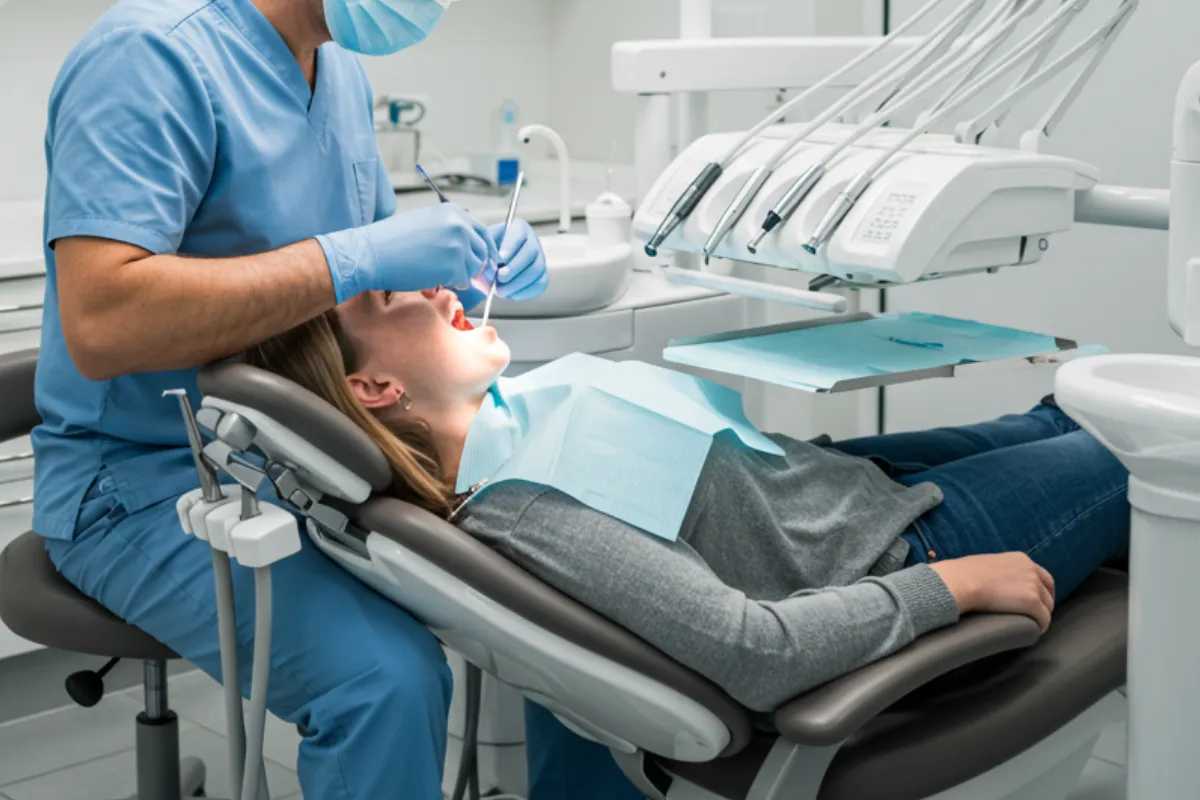
The first dental visit is usually short and gentle
Some parents imagine a full adult-style cleaning with sharp tools, X-rays, and a child refusing to open their mouth. That image scares people off.
In reality, the first visit is often brief. Think introduction, not ordeal.
A dentist will usually:
Look at the baby’s teeth, gums, tongue, and jaw development.
Check for early signs of decay or injury.
Talk with the parent about feeding, brushing, fluoride, and habits like soother use or thumb-sucking.
Discuss what to expect as more teeth come in.
Sometimes do a light cleaning or apply fluoride varnish, if needed and appropriate.
Many infants sit on a parent’s lap for the exam. Some cry. Some stare in total confusion. Some try to grab the light. All of that is normal.
The goal is not perfect cooperation. The goal is a safe, useful, low-stress introduction to dental care.
Early visits help children feel at ease later
This part gets overlooked, but it matters a lot.
Children build associations fast. If the first time they meet a dentist is when something hurts, the office can start to feel like a place where bad things happen. That fear can stick.
An early visit flips that script. The child comes in when nothing is wrong. They hear friendly voices, sit with a parent, and leave without anything scary happening. That lays the groundwork for trust.
It doesn’t guarantee that every future appointment will be easy. Kids are still kids. Some will be shy. Some will cry. Some will object on principle. But regular low-pressure visits make the whole idea of the dentist feel familiar instead of threatening.
That’s one reason early pediatric dentistry is so useful. It is preventive in more ways than one.
What the dentist is checking for
Parents often assume the dentist is only counting teeth. There is more going on than that.
During early visits, a dentist may look at:
whether teeth are erupting in a typical pattern
signs of decay, weak enamel, or staining
gum health
tongue-tie or other oral tissue concerns, when relevant
bite development
habits that may affect the teeth or jaws over time
injury risks, especially once a child starts walking and falling more
The dentist may also ask about family dental history, medications, medical conditions, and daily routines.
This is especially helpful for children who may need a more tailored approach, including those with sensory sensitivities, developmental differences, or other special needs. A good dental care plan is not one-size-fits-all.
Signs your child should see a dentist sooner
Even if your child has not reached their first birthday, there are times when it makes sense to book an appointment right away.
Call a dentist sooner if you notice:
white, brown, or black spots on a tooth
a chipped, loose, or injured tooth
swollen, bleeding, or very red gums
persistent bad breath without a clear reason
mouth pain, fussiness during feeding, or sensitivity
delayed tooth eruption that concerns you
a fall or blow to the mouth
Mouth injuries can look minor at first and then turn out to be more complicated. It is better to have them checked.
How to prepare for the first appointment
Parents usually carry more anxiety into this visit than the child does. Babies tend to respond to the mood in the room, so a little preparation helps.
Keep it simple. Tell your child, if they are old enough to understand, that the dentist will count their teeth and make sure their mouth is healthy. That’s enough. Long speeches usually make kids suspicious.
A few practical tips help:
Choose a time of day when your child is usually fed and rested.
Bring a comfort item if that helps.
Fill out any forms ahead of time so you are not juggling paperwork with a tired baby.
Avoid using scary language, even as reassurance. Saying “nothing will hurt” can accidentally signal that pain is expected.
Bring your questions. This is your chance to ask them.
If your child cries during the visit, that does not mean it went badly. It often just means they are a baby in a new place. Dentists who see children expect that.
What parents can do at home before and after the first visit
The first appointment matters, but daily habits matter more.
Good oral care starts before many parents realize it does. Even before teeth erupt, you can gently wipe a baby’s gums with a clean, damp cloth after feedings. Once the first tooth appears, brushing should begin.
A simple routine goes a long way:
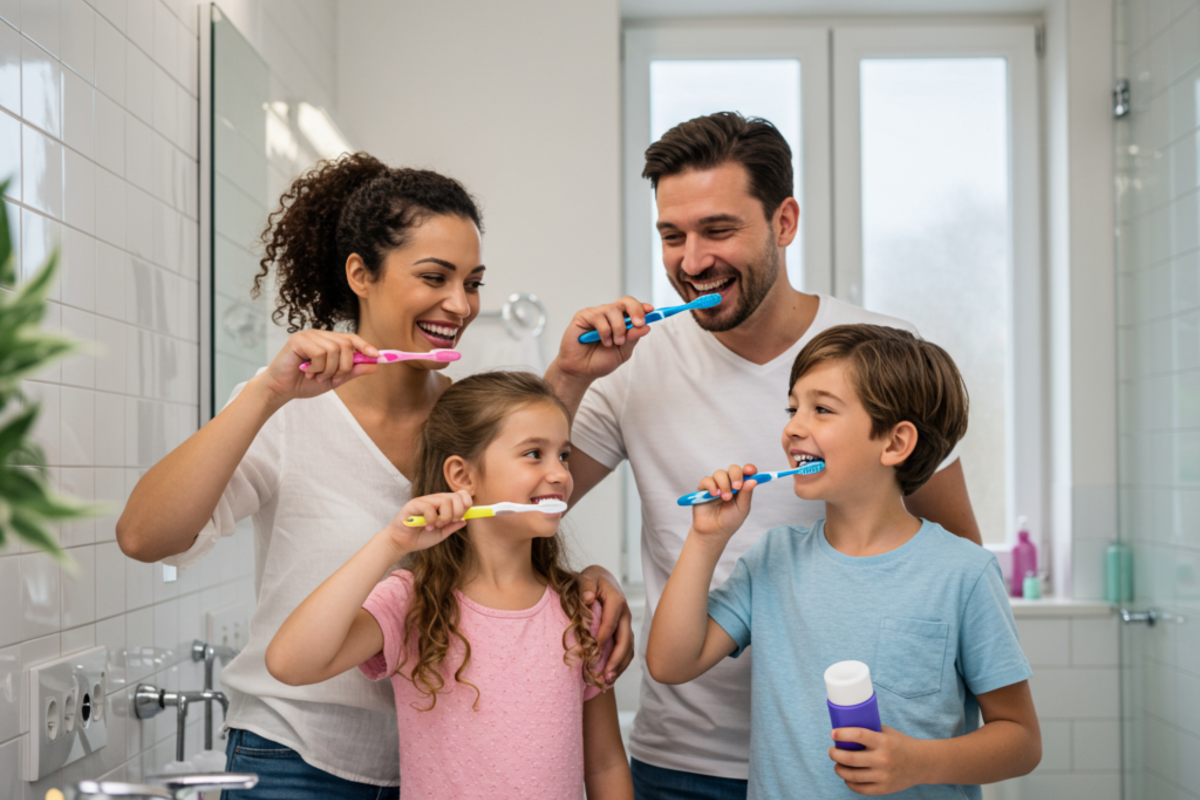
Brush twice a day with a soft infant or toddler toothbrush.
Use a tiny smear of fluoride toothpaste for children under 3, about the size of a grain of rice.
Use a pea-sized amount from ages 3 to 6, with supervision.
Floss when two teeth begin touching.
Limit frequent sugary drinks and snacks.
Avoid sending a child to bed with juice, milk, or formula pooled around the teeth.
Water is your friend here.
Parents sometimes feel awkward brushing a resistant toddler’s teeth. Fair. It can feel like wrestling a very small, very offended octopus. But consistency matters more than perfection. A quick, reasonably thorough brushing every day beats waiting for the mythical moment when your child suddenly loves oral hygiene.
If your child is older than one and has never seen a dentist
This is common. It also is fixable.
Maybe life got busy. Maybe no one told you to go earlier. Maybe your child hates appointments and you kept putting it off. None of that is unusual.
If your child already has several teeth, or is 2, 3, or older, make the appointment now. The dentist can still check development, look for early signs of problems, and help you build better routines at home.
Try not to frame it like you are “behind.” Shame is not useful here. Starting now is useful.
Choosing the right dentist for your child
Not every family wants the same setup. Some prefer a general dentist who sees all ages. Others look specifically for pediatric dentistry. Either option can work, as long as the practice is comfortable caring for young children and communicating clearly with parents.
If you are looking for a dentist in North Vancouver, it helps to ask a few direct questions. Do they regularly see infants and toddlers? How do they handle nervous children? Can they support patients with sensory needs, mobility challenges, or communication differences? What does a first visit usually look like?
Those questions tell you more than a polished website ever will.
And one reassuring point: a first visit for a baby is nothing like the procedures people tend to worry about later in life. This is not restorative dentistry, endodontics, oral surgery, dental implants, or teeth whitening. It is an early check-in, education, and prevention. In most cases, it is straightforward.
Why early prevention matters beyond baby teeth
There is a tendency to dismiss baby teeth because they eventually fall out. I think that mindset causes a lot of avoidable trouble.
Pain in baby teeth is still pain. Infection in baby teeth still matters. Trouble chewing or sleeping still affects a child’s day, even if the tooth is temporary. Severe early decay can also affect how adult teeth come in and may lead to more treatment later.
That is why early dental care is worth taking seriously. It is less about overmedicalizing childhood and more about handling small issues while they are still small.
A one-year-old dental visit is not excessive. It is basic preventive care.
The bottom line
A child’s first dental visit should happen by age 1 or within six months of the first tooth appearing. Earlier is sometimes better if you notice pain, spots, injury, or anything that seems off.
That first appointment is usually simple. It gives the dentist a chance to check development, spot problems early, and help you with the everyday stuff that actually shapes oral health, brushing, feeding habits, fluoride, and routine.
If your child has not gone yet, book the visit now. If they are still a baby and the first tooth just appeared, now is a good time.
Parents often expect the first dentist appointment to be a big event. Most of the time, it is much smaller than that. Quiet, quick, useful. Honestly, that is exactly what you want.