Now Welcoming New Patients

Veneers vs Dental Bonding: What’s the Difference and Which Is Better for You?
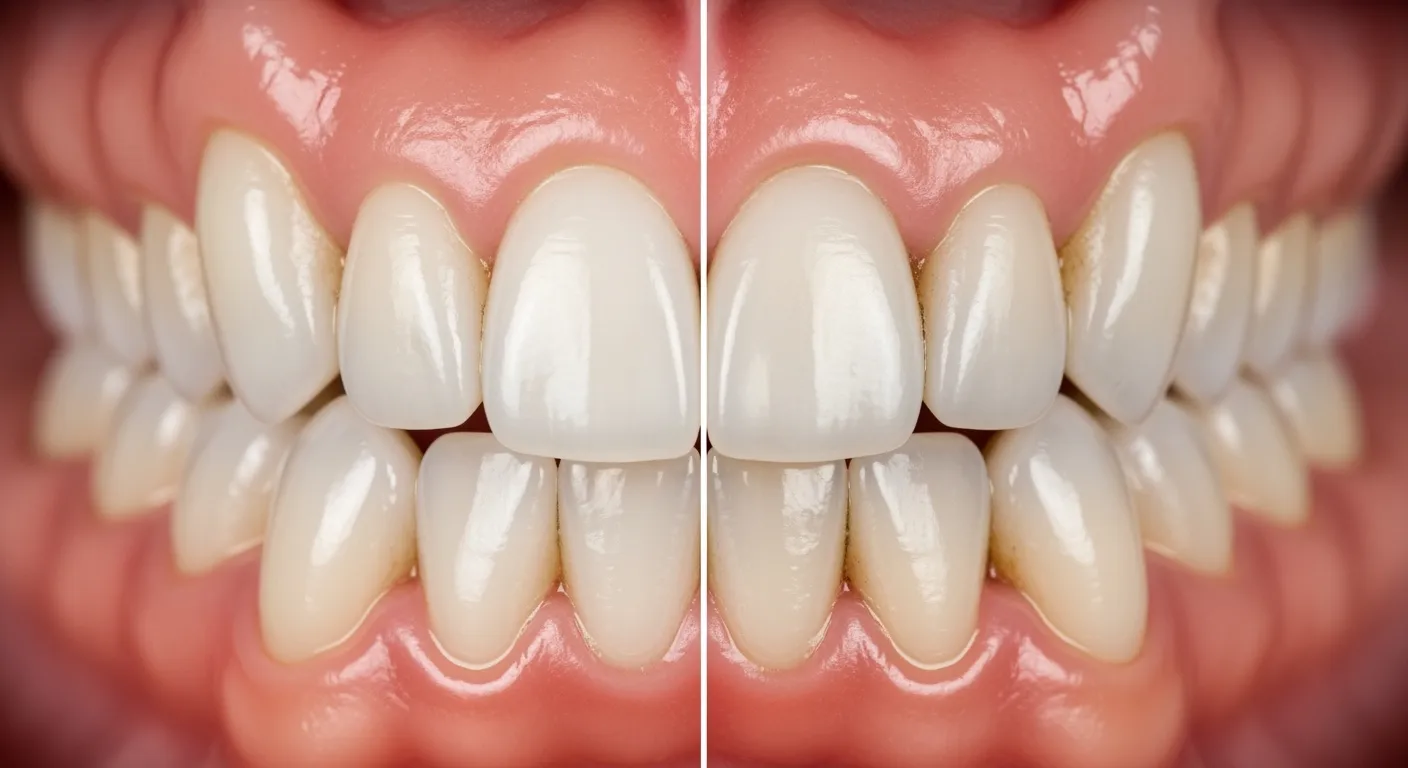
If you have a chipped tooth, small gap, uneven edge, or stains that do not respond well to teeth whitening, two treatments usually come up fast: veneers and dental bonding.
They can both improve the look of your smile. They can both fix minor cosmetic issues. And from a few feet away, they can sometimes look similar. That is where the confusion starts.
The real difference is not just what they look like on day one. It is how they are made, how long they last, how much tooth structure they affect, and what kind of problems they are best at fixing.
If you are trying to decide between them, the better option depends on your teeth, your habits, your budget, and how much change you want.
What are veneers?
Veneers are thin shells that cover the front surface of a tooth. They are usually made from porcelain, though some are made from composite material. Porcelain veneers are the version most people mean when they simply say “veneers.”
A veneer is custom-made in a dental lab to match your tooth shape, smile line, and desired shade. Once it is ready, your dentist bonds it to the front of the tooth.
Veneers are often used to improve teeth that are:
chipped or worn
discolored
slightly misshapen
uneven in size
separated by small gaps
They are popular because porcelain looks very close to natural enamel. It reflects light in a way that tends to look more lifelike than many direct filling materials.
That said, veneers are not a fix for every dental problem. If a tooth has a large cavity, a crack that affects strength, or deep structural damage, restorative dentistry may be more appropriate than a purely cosmetic treatment.
What is dental bonding?
Dental bonding uses a tooth-colored composite resin that your dentist applies directly to the tooth, shapes by hand, hardens with a curing light, and polishes.
Think of it as sculpting on the tooth itself.
Bonding is commonly used for:
small chips
minor cracks
little gaps between teeth
short or uneven edges
small areas of discoloration
exposed root surfaces from gum recession
Because the material is placed directly on the tooth in one visit, bonding is usually faster and less expensive than veneers. It also tends to require little to no removal of natural tooth structure.
That conservative approach is a big reason people like it.
The biggest difference comes down to process
If you strip away the marketing language people throw around online, veneers and bonding differ most in how they are created.
With veneers, the final piece is usually fabricated outside the mouth. Your dentist prepares the tooth, takes impressions or scans, and then places the finished veneer later. Because of that process, veneers tend to be more precise, more stain-resistant, and more durable.
With bonding, the result is created directly on the tooth during the appointment. That gives your dentist flexibility and speed, but the material is usually not as strong or as stain-resistant as porcelain.
Neither approach is automatically “better.” They solve different problems in different ways.
How veneers and bonding compare
Appearance
Porcelain veneers usually win if the goal is the most polished, refined cosmetic result. They hold their color well and mimic natural enamel beautifully, especially under different lighting.
Bonding can also look very good, especially for small repairs. For one chipped corner or a tiny gap, bonding may blend in so well that nobody notices. But over time, composite resin is more likely to pick up stains from coffee, tea, red wine, or smoking.
If your main concern is one or two subtle corrections, bonding may be all you need. If you want a more dramatic smile redesign, veneers often give more control over shape, symmetry, and shade.
Durability
Veneers generally last longer than bonding. Porcelain is hard and wear-resistant. With good dental care, veneers often last many years before they need replacement.
Bonding is more prone to chipping, staining, and wear, especially on front teeth that do a lot of work. If you bite your nails, chew ice, grind your teeth, or use your teeth to open packages, bonding tends to show that abuse sooner.
This matters more than people think. A treatment is not truly “cheaper” if it needs frequent repairs.
Tooth preparation
Bonding usually preserves more natural tooth structure. In many cases, the tooth surface needs only light roughening before the resin is applied.
Veneers often require the dentist to remove a thin layer of enamel so the veneer fits naturally and does not look bulky. Not every veneer case needs the same amount of preparation, but in general, veneers are less reversible than bonding because enamel has been altered.
That makes this a values question as much as a cosmetic one. Some people want the longest-lasting aesthetic result possible. Others prefer the most conservative treatment that gets them close enough.
Both are reasonable positions.
Time
Bonding is often completed in one visit. That is a major advantage if you want a quick fix before photos, an interview, a wedding, or just because you are tired of staring at the same chipped tooth in the mirror.
Veneers usually take at least two appointments, unless a practice offers same-day systems for selected cases. There is planning, preparation, impressions or digital scans, lab fabrication, and final placement.
If time matters most, bonding is often easier.
Cost
Bonding usually costs less upfront than porcelain veneers. The materials are less expensive, and the procedure is simpler.
Veneers usually cost more because they are custom-designed and lab-made. You are paying for aesthetics, craftsmanship, and longevity.
The honest answer here is a little annoying: the less expensive option today is not always the less expensive option over ten years. If bonding needs touch-ups or replacement more often, the long-term difference may narrow.
Repairability
Bonding is easier to repair. If a small piece chips, your dentist can often add more resin and polish it.
Veneers can sometimes be repaired in limited situations, but porcelain damage is more likely to require replacement of the entire veneer.
When veneers may be the better choice
Veneers are often a good fit if you want a more noticeable cosmetic upgrade and you are looking for longevity.
They may make more sense if:
You want to change multiple front teeth
If several teeth are uneven, discolored, worn, or mismatched, veneers can create a more uniform result. This is where they really shine. A single tooth correction is one thing. Building consistency across a smile is another.
Your stains do not respond to whitening
Some discoloration sits deep in the tooth and does not improve enough with teeth whitening. Veneers can mask those stains more effectively than bonding in many cases.
You want something more stain-resistant
If you drink coffee every day and you are not planning to stop, porcelain has an advantage. Composite bonding can still look nice, but it needs more maintenance and occasional polishing.
You have minor shape or alignment concerns
Veneers can make teeth look straighter, slightly longer, or more balanced. They are not a replacement for orthodontics when teeth are significantly crowded or misaligned, but they can help in mild cases.
When bonding may be the better choice
Bonding often makes sense when the issue is small, the budget matters, and preserving tooth structure is a priority.
It may be a strong option if:
You have one small cosmetic flaw
A tiny chip, one little gap, or a slightly uneven edge often does not need the full commitment of a veneer.
You want a conservative treatment
If your tooth is healthy and the correction is modest, bonding lets your dentist improve the appearance without removing much enamel.
You want the result fast
Bonding can often be done in a single appointment. For a lot of busy families, that matters.
You are younger and still planning long-term treatment
For teens and young adults, dentists are often cautious about jumping straight to permanent cosmetic changes when the smile, bite, and gumline may still be changing. Bonding can be a useful interim option in the right case. That is especially true in settings that also provide pediatric dentistry and long-term family dental care, because treatment can be planned with growth and future needs in mind.
Which option is better for chipped teeth, gaps, and stains?
This is where people usually want a simple answer, but it depends on the problem.
For a small chip, bonding is often the first thing to consider. It is quick, conservative, and can look excellent.
For a tiny gap, bonding can work very well if the spacing is minor and the tooth proportions will still look natural after reshaping. Veneers may be better if several teeth need to be widened or recontoured for symmetry.
For stains, the question is whether whitening will help. Many surface stains respond well to professional teeth whitening. If the discoloration is internal, patchy, or resistant, veneers may give a more predictable result. Bonding can cover discoloration too, but it may not hold its appearance as long.
What veneers and bonding cannot fix
This part matters because cosmetic treatment sometimes gets discussed before basic oral health.
Veneers and bonding do not treat active decay, gum disease, or tooth infection. If you have pain, swelling, a loose tooth, or sensitivity that seems to be getting worse, the first step is diagnosis, not cosmetic work.
Sometimes a person comes in wanting a prettier front tooth and learns the real issue is a bite problem, an old filling, or damage inside the tooth that needs endodontics. In other cases, a missing tooth may call for dental implants rather than trying to cosmetically disguise the gap nearby. And if a tooth is severely broken below the gumline, oral surgery may be part of the conversation.
That is why a proper exam matters. The treatment that looks best on social media is not always the treatment that keeps your mouth healthy.
Questions to ask before you decide
A good consultation should feel practical, not pushy. These are the questions worth asking your dentist:
What exactly is bothering me about my teeth: color, shape, size, wear, or alignment?
Is this a cosmetic issue, a structural issue, or both?
How much natural tooth structure will be changed?
How long is this result likely to last in my case?
What maintenance or future replacement should I expect?
Would whitening, orthodontics, or another form of restorative dentistry make more sense first?
If you are meeting with a dentist in North Vancouver, or anywhere else, you want clear answers in plain language. Fancy before-and-after photos are nice. A realistic plan is better.
What maintenance looks like
Both veneers and bonding need routine dental care. Neither treatment gives you a free pass on brushing, flossing, and checkups.
With either option, it helps to:
brush twice a day with a non-abrasive toothpaste
floss daily
avoid chewing ice, pens, or hard objects
wear a night guard if you grind your teeth
limit stain-heavy habits if you have bonding
keep regular professional cleanings
Bonding usually needs a little more babying. Veneers are tougher, but they are still not indestructible. Front teeth are tools people abuse without thinking about it, until something chips.
So, which is better?
The frustrating but honest answer is this: better for what?
If you want the most durable, polished cosmetic result and you are comfortable with a more involved treatment, veneers are often the better choice.
If you want a simpler, more conservative, and more affordable fix for a small cosmetic issue, bonding is often the better choice.
I would put it this way. Bonding is great for targeted repairs and modest changes. Veneers make more sense when you want a bigger transformation or a result that holds up better over time.
Neither is the “luxury” option by default. Neither is the “easy” option by default. They are tools. The right one depends on the tooth in front of you.
Final thoughts
A lot of people start this decision thinking only about appearance. Fair enough. That is usually what gets your attention first. But the best choice sits at the intersection of appearance, tooth health, durability, and cost.
If your teeth are healthy and you only need a small correction, bonding may do exactly what you need with less time and less alteration.
If you want a broader smile upgrade, have stubborn discoloration, or care most about long-term polish and stain resistance, veneers may be worth the added investment.
The useful next step is not guessing from photos online. It is getting an exam, talking through your goals, and hearing what fits your actual teeth. Good dental care is personal like that. It should be.