Now Welcoming New Patients

Sports Mouthguards: Who Really Needs One?

I think mouthguards have an image problem.
They are not fun to shop for. They are not stylish. Kids lose them. Teens shove them into gym bags without a case. Adults who would never ski without a helmet will still play pickup basketball with nothing protecting their teeth.
That is a mistake.
A sports mouthguard is one of the simplest pieces of protective gear in athletics, and one of the easiest to ignore until something goes wrong. A split lip heals. A broken front tooth can turn into months of appointments, pain, cost, and decisions you did not plan to make.
So who actually needs one? The short answer is: far more people than you might think.
What a sports mouthguard actually does
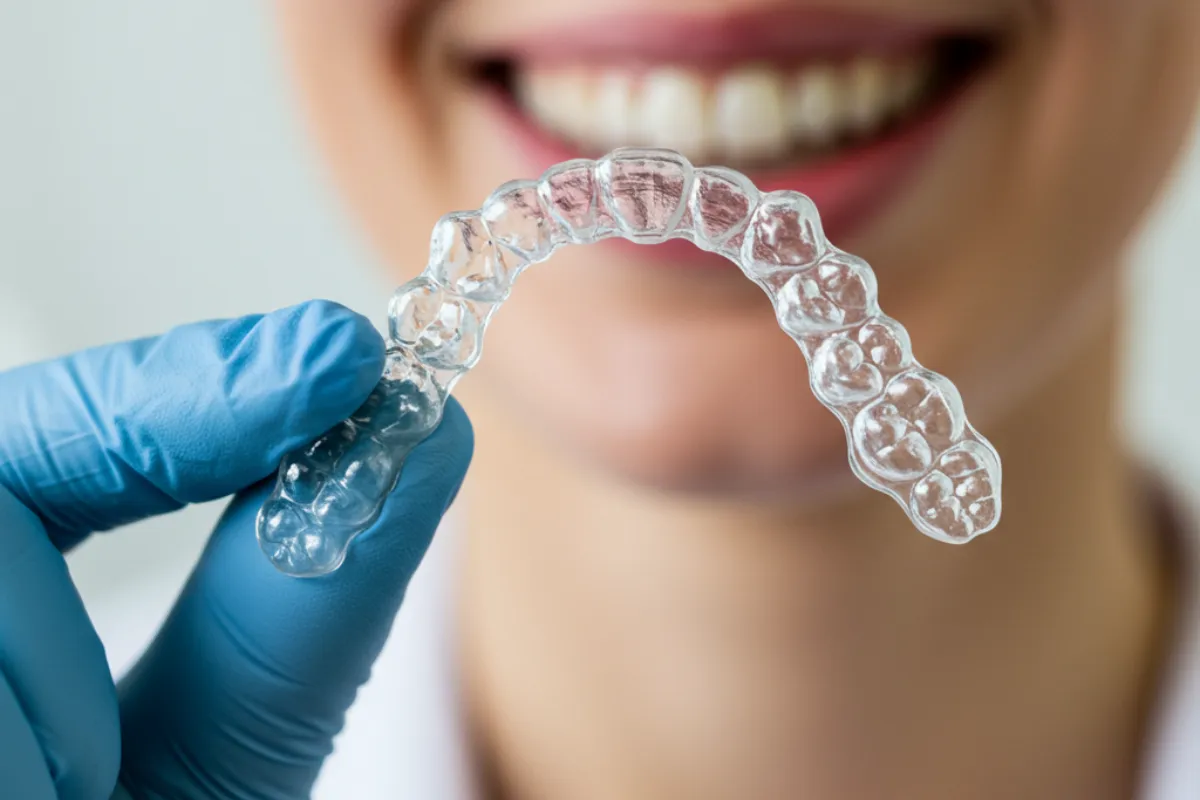
A sports mouthguard is a flexible device worn over the teeth, usually the upper teeth, to reduce the force of a hit. It helps cushion blows to the mouth, jaw, and face. It can lower the risk of chipped teeth, knocked-out teeth, cuts to the lips and cheeks, and some jaw injuries.
It is not magic. It does not make sports injury-proof. It also should not be sold as a guaranteed way to prevent concussion. Research on mouthguards and concussion prevention is mixed, and the best-supported reason to wear one is still dental and oral protection.
That reason is enough.
Teeth do not bounce back from trauma the way muscles do. When a tooth cracks deeply, gets pushed out of position, or is knocked out completely, the next steps may involve urgent dental care, restorative dentistry, endodontics such as root canal treatment, or oral surgery. In the worst cases, a lost tooth may eventually need a dental implant. Prevention is a lot easier than rebuilding after impact.
Who needs a sports mouthguard?
If you are waiting for a clean, obvious line between “mouthguard sports” and “non-mouthguard sports,” you will be disappointed. Real life is messier than that.
The safest rule is simple: if there is a real chance of contact with another person, the ground, a ball, a stick, a puck, or sports equipment, a mouthguard is worth serious thought.
People in contact and collision sports
This group is the easiest yes.
If you or your child plays any of these, a mouthguard should be routine:
Hockey
Football
Lacrosse
Rugby
Boxing
Martial arts
Wrestling
Ringette
These sports combine speed, impact, elbows, shoulders, sticks, pucks, or direct blows to the face. Even when helmets or face cages are used, the mouth is still at risk. A helmet is important, but it does not replace a mouthguard.
Athletes in sports that seem “non-contact”
This is where people get casual, and where a lot of injuries happen.
You do not need a fist to the face to break a tooth. You just need a fall, a collision, or a fast-moving object. Mouthguards make sense in many sports that are often labeled non-contact or limited-contact, including:
Basketball
Soccer
Baseball
Softball
Field hockey
Skateboarding
Mountain biking
BMX
Gymnastics
Cheerleading
Volleyball
Racquet sports
Skiing and snowboarding
Basketball is a classic example. It does not always feel like a “mouthguard sport” to families until someone catches an elbow under the basket. Soccer is similar. Heads collide. Players fall. Goalkeepers take hard contact. Baseball and softball add bats, balls, and awkward slides.
If the sport includes speed and unpredictability, the mouth is part of the risk.
Children and teens in organized sports
Kids and teens often need mouthguards the most, because they are still growing, still developing coordination, and often playing frequently. School teams, weekend leagues, camps, martial arts classes, hockey practices, and bike parks can add up to a lot of exposure.
This is also where pediatric dentistry conversations often come in. Parents are usually very good about shin guards, helmets, and pads. Mouthguards sometimes get treated like optional extras. They should not be.
For children, a good mouthguard should fit comfortably enough that they will actually wear it. That matters more than parents sometimes realize. The perfect mouthguard that lives in a locker is useless.
Athletes with braces or other dental appliances
If someone has braces, they need mouth protection even more.
Brackets and wires add sharp edges inside the mouth. A hit to the lips can force soft tissue hard against the braces and cause painful cuts. There is also a risk of damage to the orthodontic appliance itself. A mouthguard designed for braces creates a layer of cushioning between the braces and the lips, cheeks, and teeth.
The same goes for athletes with bridges, crowns, implants, or a history of dental trauma. If dental work is already present, protecting it matters. A dentist can help recommend the right style for that specific situation.
Adults and recreational athletes
Adults skip mouthguards all the time because the sports feel casual.
Pickup basketball. Beer league hockey. Weekend soccer. Adult martial arts classes. Road cycling. Ski trips. Recreational baseball. The logic often goes like this: “I’m not playing at a serious level, so I probably don’t need one.”
Honestly, that makes no sense.
A broken tooth during a casual game is still a broken tooth. In some ways, adult injuries can be more frustrating because there may already be existing dental work, tight schedules, and higher treatment costs. Prevention still counts, even if the scoreboard does not.
Athletes with special healthcare or sensory needs
Some athletes need a more thoughtful approach to mouthguards, not less protection.
A person with sensory sensitivities, developmental differences, strong gag reflex, anxiety, or certain motor challenges may have trouble tolerating a bulky or poorly fitted guard. In those cases, fit and gradual practice become especially important. A custom-made option often works better than a generic one because it is slimmer, more stable, and easier to keep in place.
This is one area where individualized dental care matters. The right solution is not always the cheapest one on the shelf.
Why the stakes are higher than people think
People often picture sports dental injuries as small chips that get polished smooth and forgotten. Sometimes that happens. Sometimes it really does not.
A hit to the mouth can lead to:
Chipped or fractured teeth
Teeth pushed loose or out of position
Knocked-out teeth
Cuts to the lips, tongue, or cheeks
Damage to crowns, fillings, or braces
Jaw pain or bite changes
Nerve injury inside the tooth
And some damage does not show up right away. A tooth can look fine after impact, then darken or become painful later because the nerve inside was injured. That may lead to endodontics. If a tooth cannot be saved, treatment might move into restorative dentistry, oral surgery, or replacement with a dental implant.
That is why I get a little impatient with the idea that mouthguards are “for serious athletes.” Teeth do not care whether the game was serious.
If you care about your smile, prevention matters more than cosmetic fixes later. Teeth whitening can brighten a healthy tooth, but it cannot undo trauma. A natural tooth is always easier to live with than a repaired one.
The main types of sports mouthguards
Not all mouthguards protect equally. The best one is the one that fits well enough to be worn every time, but there are real differences.
Stock mouthguards
These come pre-formed and ready to wear.
They are cheap and easy to find, but they usually fit poorly. They can feel bulky, make breathing and speaking harder, and often require constant clenching to keep them in place. That is a problem. If an athlete has to bite down just to hold the mouthguard, they are less likely to wear it properly.
Stock guards are better than nothing, but not by much.
Boil-and-bite mouthguards
These soften in hot water and then mold loosely to the teeth.
They are more affordable than custom guards and often a reasonable middle-ground choice for some athletes. But fit can be hit or miss. If the molding goes badly, the guard may end up too thin in some areas, too bulky in others, or just plain uncomfortable.
A lot of families start here. That is understandable. Just know that “customized at home” is not the same as professionally fitted.
Custom mouthguards made by a dentist
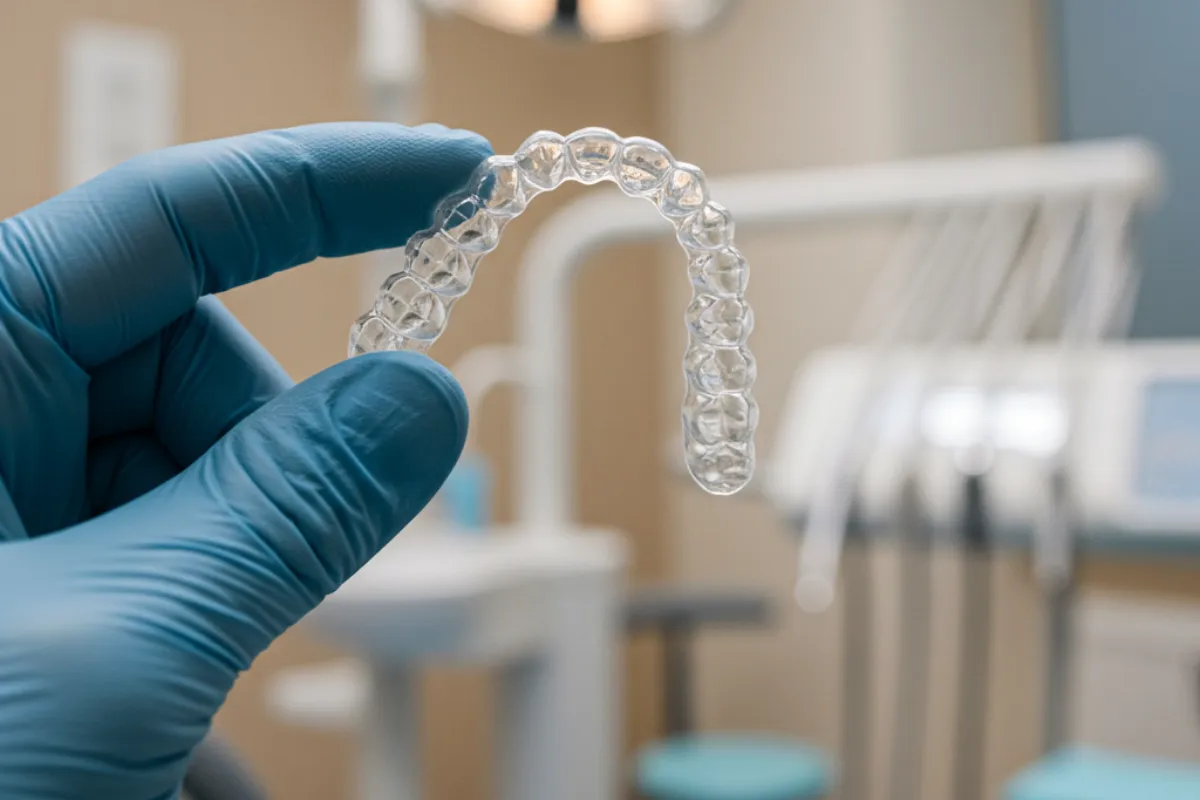
These are made from an impression or scan of the teeth.
They usually fit better, feel less bulky, stay in place more securely, and allow easier breathing and speaking. For athletes in high-impact sports, people with braces or dental work, and anyone who has trouble tolerating store-bought guards, this is often the best option.
It is the mouthguard people are least likely to spit out.
And that, more than fancy wording, is the point.
How to tell if a mouthguard fits properly
A good mouthguard should do a few basic things:
Stay in place without constant biting
Cover the teeth evenly
Feel secure but not painfully tight
Allow normal breathing
Let the athlete speak enough to communicate
Avoid triggering gagging
Have enough thickness to cushion impact without feeling like a block of plastic
If a child keeps removing it, chewing through it, or complaining that they cannot breathe, the fit may be the problem. Sometimes parents assume resistance is just resistance. Sometimes it is. Sometimes the mouthguard is genuinely awful.
A properly fitted guard should be firm enough to protect, but not so clumsy that the athlete dreads it.
When a mouthguard should be replaced
Mouthguards do not last forever.
Replace one when:
It shows wear, tears, or thinning
It no longer fits snugly
A child has grown significantly
New teeth have erupted
Orthodontic treatment has changed the bite
It has become warped from heat
It smells bad even after cleaning
The athlete chews on it so much that the shape is distorted
Kids and teens may outgrow a mouthguard faster than parents expect. If it fit last season, that does not guarantee it fits now.
How to clean and store it
This part is not glamorous, but it matters.
After each use, rinse the mouthguard with cool or lukewarm water. Clean it regularly with a toothbrush and mild soap, or follow the cleaning instructions for that specific product. Let it dry fully, then store it in a ventilated case.
A few things to avoid:
Hot water, which can warp the shape
Leaving it in a hot car
Wrapping it in a tissue or napkin, where it gets thrown out
Tossing it loose into a sports bag
Sharing it with anyone, ever
If the guard develops a strong odor, sticky film, or visible damage, replace it.
Common questions parents and athletes ask
“My child only plays house league. Do they still need one?”
Usually, yes. Skill level does not erase accidents. In fact, less experienced play can be unpredictable.
“What about lower teeth?”
Most mouthguards cover the upper teeth because that usually provides the protection needed. In some cases, a dentist may recommend something different, but upper coverage is standard.
“Can my child wear one with braces?”
Yes, and they should. They may need a mouthguard designed for orthodontic treatment or a custom option that accounts for changes in tooth position.
“Do adults really need custom mouthguards?”
Not always. But adults in higher-risk sports, adults with expensive dental work, and adults who hate wearing bulky guards often find custom ones much easier to stick with.
“Will a mouthguard prevent concussion?”
That is too strong a claim. Mouthguards help protect the mouth and teeth. They may reduce some forces to the jaw, but they should not be treated as a reliable concussion-prevention device.
A simple rule that works
If you are unsure whether a sport “counts,” use this question:
Could a hit, fall, collision, elbow, stick, bat, ball, puck, or piece of equipment reach the mouth?
If the answer is yes, a mouthguard makes sense.
That covers a lot of athletes in places like North Vancouver, where kids and adults spend plenty of time on ice, courts, fields, trails, and mountains. But the advice is not local. It is universal. Active people fall. Active people collide. Teeth are fragile.
The bottom line
Who needs a sports mouthguard?
More children than currently wear one. More teens than think they do. More adults than bother to buy one.
If a sport has any real risk of contact or impact, wear one. Every practice. Every game. Not just tournaments. Not just playoffs. Not just when a coach reminds you.
Good dental care is not only what happens in a chair after an injury. It is also the quiet, preventive stuff that keeps the injury from happening in the first place. A mouthguard is part of that. Simple, a little annoying, easy to forget, and completely worth it.