Now Welcoming New Patients

How Your Smile Changes as You Age, and What You Can Do About It

Aging changes your smile. That is normal. It is also not the whole story.
People sometimes assume a darker, flatter, or less even smile is just “what happens” and nothing can be done. I think that belief causes a lot of unnecessary frustration. Yes, time affects teeth and gums. Enamel wears down. Gums can recede. Missing teeth can shift the whole bite. Dry mouth can make decay more likely. But many of these changes are preventable, manageable, or reversible with the right dental care.
The better way to think about it is this: aging affects your smile, but neglect does more damage than age alone.
Why smiles change over time
Your mouth has a long memory. Every cup of coffee, every night of clenching, every year of brushing, chewing, grinding, and healing leaves a mark. Some changes are cosmetic. Some affect comfort and function. Usually, they overlap.
Teeth often look darker with age
One of the first things people notice is colour.
Over time, the outer enamel layer gets thinner. Underneath enamel is dentin, which is naturally darker and more yellow. As enamel wears down, that dentin shows through more clearly. On top of that, years of exposure to tea, coffee, red wine, curry, berries, and tobacco can stain the tooth surface.
This is why a smile can look less bright even when someone brushes well.
Sometimes the change is mostly surface stain and responds well to professional cleaning or teeth whitening. Sometimes the shift is deeper, and a dentist may suggest a different cosmetic option if whitening alone will not get the result you want.
Teeth wear down and change shape
Teeth are strong, but they are not indestructible.
Years of chewing naturally flatten the biting edges. Grinding and clenching, especially during sleep, speed this up. Acid reflux, frequent acidic drinks, and some eating disorders can also erode enamel. The result is often subtle at first. Teeth may look shorter. Edges may seem translucent. Tiny chips show up. Fillings may start to look uneven as the surrounding enamel wears.
This is not only about appearance. Worn teeth can become sensitive, more fragile, and less efficient for chewing.
I think this is one of the most overlooked parts of an aging smile. People notice colour right away. They often miss shape until an old photo makes it obvious.
Gums can recede
Gum recession makes teeth look longer, and not in a good way.
Sometimes recession happens gradually with age. Often, gum disease plays a role. Brushing too hard, clenching, a thin gum type, and tobacco use can also contribute. When gums pull back, the root surface becomes exposed. Roots are more vulnerable than enamel, so this can lead to sensitivity and root decay.
If your teeth suddenly feel sharp or cold-sensitive near the gumline, pay attention. That is not just an annoyance. It can be a sign that the tooth needs better protection.
Missing teeth can affect the whole smile
Losing one tooth does not stay a one-tooth problem for long.
When a tooth is missing, nearby teeth may drift into the space. Opposing teeth can over-erupt. The bite changes. The smile may look less even. Chewing becomes less balanced, which can push extra force onto other teeth.
There is also bone loss to consider. The jawbone in that area shrinks after tooth loss because it is no longer being stimulated by the tooth root. That loss can affect facial support over time, especially when several teeth are missing.
This is one reason dentists often recommend replacing missing teeth sooner rather than later. Dental implants, bridges, and dentures are not only about appearance. They help keep the rest of the mouth more stable.
Your bite can shift, and your jaw may notice
Teeth move throughout life. Not dramatically in most cases, but enough to matter.
A little crowding, a slightly different bite, more wear on one side, a jaw that clicks in the morning, headaches from clenching. These things often build slowly. People get used to them.
Uneven contact between teeth can create a cycle: more wear leads to a worse bite, which leads to more wear. TMJ symptoms can show up too, including soreness, tension, limited opening, or popping sounds.
If you feel like your front teeth are getting shorter or your molars feel “off,” that deserves a proper exam.
Decay risk can rise with age
A lot of adults are surprised to hear this, but cavities are not just a childhood issue.
As gums recede, exposed roots become more likely to decay. Dry mouth makes the problem worse because saliva helps neutralize acid and wash away food and bacteria. Many common medications reduce saliva flow, including some used for allergies, blood pressure, depression, anxiety, and sleep.
That means older adults can be at real risk for root caries, even if they did not have many cavities earlier in life.
And when decay gets deep, the fix may be more involved. A simple filling may not be enough. In some cases, restorative dentistry includes crowns, and if the nerve is affected, endodontics may be needed to save the tooth.
The smile is not only teeth
Lips, cheeks, and facial support change too.
As we age, soft tissues lose some volume and elasticity. Teeth that are worn or missing may provide less support to the lips and lower face. That can make the smile look older even when the teeth themselves are healthy.
This part is easy to miss because people tend to focus on whiteness and straightness. But a smile is framed by the whole face.
What you can do at home to protect your smile
You cannot stop time. You can absolutely slow down unnecessary damage.
Brush well, not aggressively
Brush twice a day with fluoride toothpaste. Clean between teeth every day with floss, interdental brushes, or another tool your dentist recommends.
Technique matters. Scrubbing hard does not make teeth cleaner. It can wear enamel near the gumline and irritate gum tissue. A soft-bristled toothbrush and gentle pressure usually work best.
If you have recession or sensitivity, ask about toothpaste made for sensitive teeth and fluoride products that protect root surfaces.
Be honest about staining habits
You do not have to give up coffee forever. Most people will not, and that is fine. But it helps to know what repeated exposure does.
Coffee, tea, tobacco, red wine, and deeply pigmented foods can darken teeth over time. Rinsing with water after staining drinks, using a straw when it makes sense, and avoiding tobacco can make a real difference.
Small habits matter more than one dramatic cleanse or whitening toothpaste that promises too much.
Take dry mouth seriously
Dry mouth sounds minor until the cavities start.
Sip water often. Chew sugar-free gum if you can. Use sugar-free lozenges or saliva substitutes if needed. If a medication seems to be drying your mouth out, bring it up with your physician or dentist. Sometimes there are alternatives. Sometimes the answer is more protective fluoride and more frequent monitoring.
Nighttime dryness deserves attention too. Mouth breathing, snoring, and sleep issues can make the mouth very dry by morning.
Protect teeth from grinding
If you clench or grind, especially during sleep, a custom nightguard can help prevent more damage.
Over-the-counter guards exist, but a poorly fitting one can sometimes make symptoms worse. If wear is obvious, jaw tension is frequent, or teeth are chipping, it is worth asking a dentist to assess the bite properly.
Keep up with regular check-ups
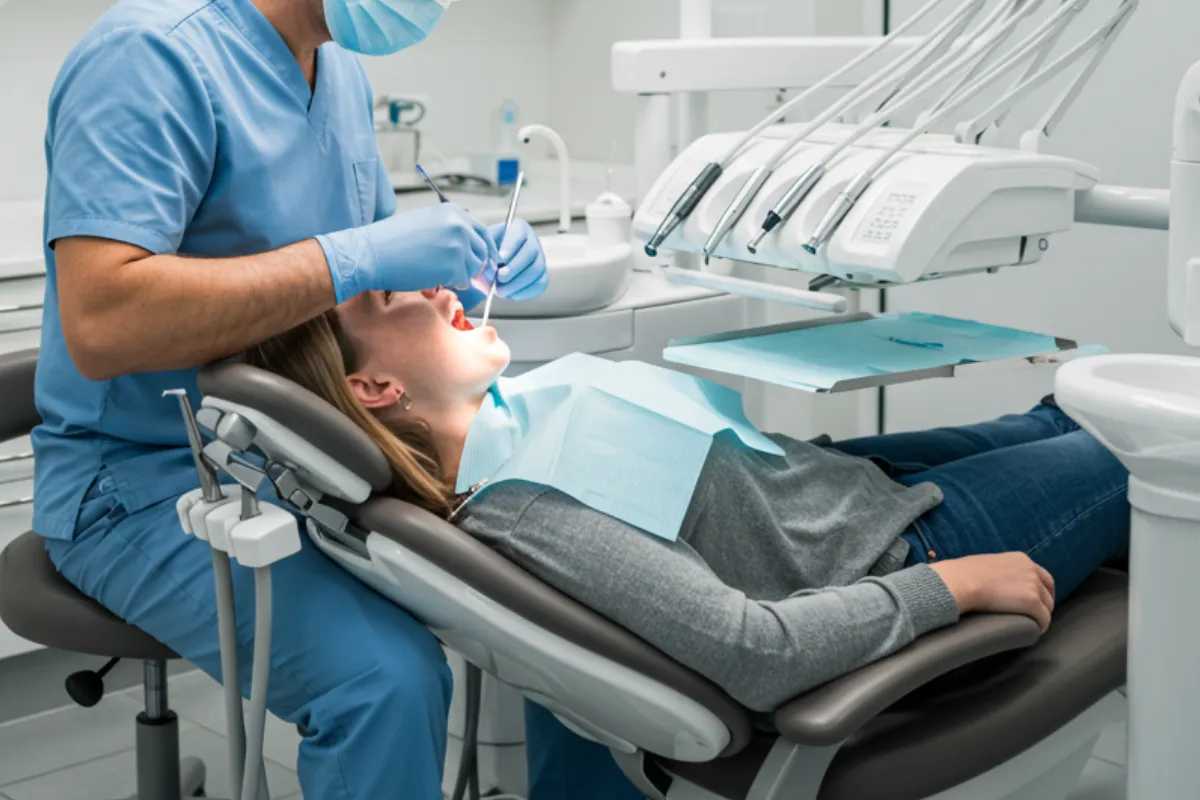
Professional cleanings remove plaque and stain that home care misses. More importantly, routine visits catch small problems before they become expensive or painful.
A good exam can spot early gum disease, new decay, cracked fillings, bite changes, dry mouth problems, and signs of grinding. That matters because aging changes rarely happen one at a time. They tend to stack up.
Treatments that can restore an aging smile
There is no single “anti-aging” dental treatment. And honestly, that is a good thing. The right plan depends on what is actually causing the change.
Teeth whitening for darkening and stain
Professional teeth whitening can lighten many types of staining, especially surface stain and some internal discoloration.
In-office whitening works faster. Professionally supervised take-home systems can be more gradual and still effective. Either way, whitening works best on healthy teeth and gums. If there is untreated decay, exposed roots, or gum irritation, those issues usually need attention first.
Whitening is a good option for many people, but it does not fix shape, alignment, recession, or worn edges.
Bonding, veneers, and crowns for worn or damaged teeth
When teeth are chipped, shortened, or uneven, restorative dentistry can rebuild them.
Bonding uses tooth-coloured composite to repair edges and improve shape. It is often conservative and useful for smaller corrections. Veneers can change shape, colour, and symmetry on visible front teeth. Crowns are used when a tooth needs more complete coverage because of wear, fractures, large fillings, or major structural loss.
The choice depends on how much tooth structure remains, how the bite functions, and what result is realistic long term.
Gum treatment for recession and gum disease
If gum disease is present, controlling it comes first. Periodontal treatment may include deep cleaning and ongoing maintenance to reduce inflammation and slow further damage.
For some cases of recession, gum grafting can cover exposed roots and reduce sensitivity. It can also improve the appearance of the gumline. Not every patient needs surgery, but exposed roots should never be brushed off as “just cosmetic.”
Replacing missing teeth
Missing teeth can often be replaced with bridges, dentures, or dental implants.
Dental implants are popular because they replace the root as well as the visible tooth, which helps support bone and keeps the replacement separate from neighbouring teeth. A bridge may be a practical option in some situations. Dentures can work well when multiple teeth are missing.
Sometimes oral surgery is part of the plan, especially if an old tooth needs extraction or the site needs bone grafting before an implant.
There is no universal best option. Health, bone levels, budget, bite forces, and personal preference all matter.
Orthodontics for shifting and crowding
Teeth can drift with age, even if you had braces years ago.
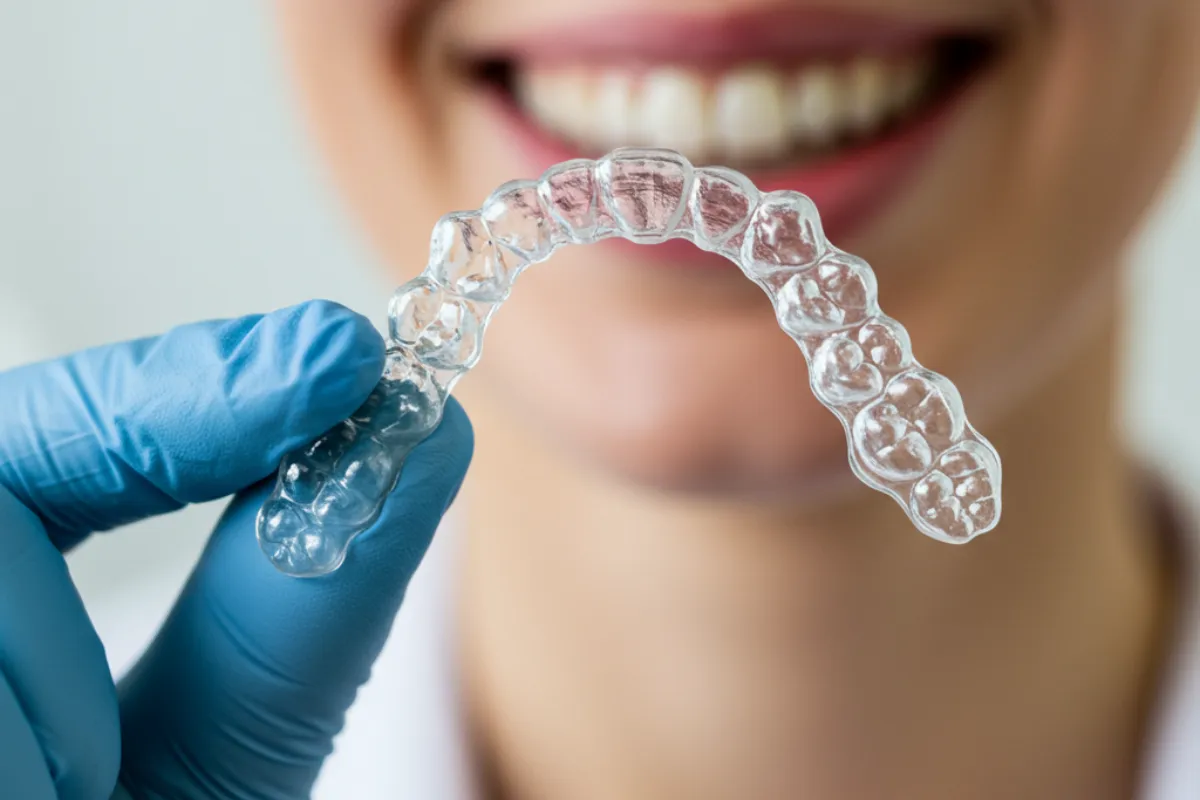
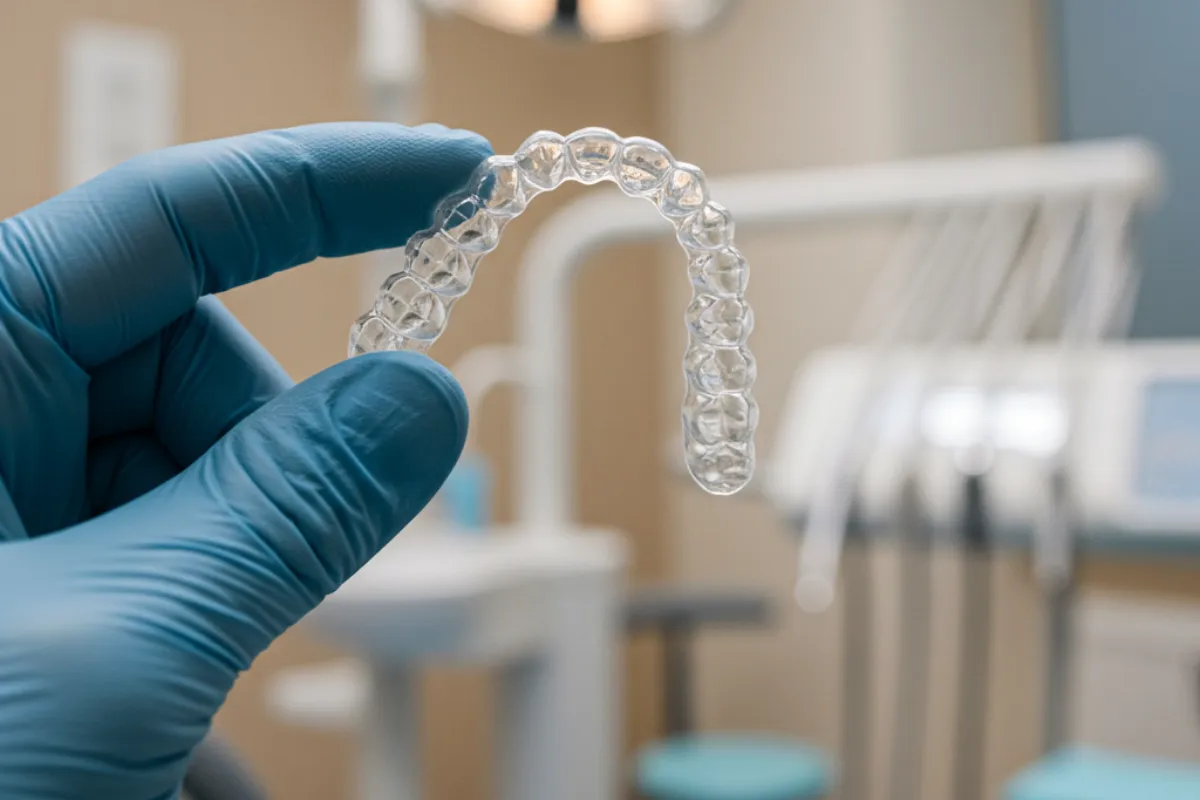
Orthodontic treatment, including clear aligners in some cases, can correct crowding, spacing, and bite problems that developed later in life. This is not only about appearance. Better alignment can also make teeth easier to clean and may reduce uneven wear in the right cases.
Retainers matter afterward. Teeth like to move back.
Functional treatment for bite problems and jaw strain
When the bite is unstable, cosmetic work alone may not last.
Occlusal splints, bite adjustments, or rebuilding worn teeth in a more stable way can help reduce overload on certain areas of the mouth. People with jaw pain, heavy wear, cracked teeth, or frequent breakage often need this kind of planning before cosmetic treatment.
How to decide what to fix first
This part matters more than people expect.
If you are unhappy with your smile, it is tempting to jump straight to the most visible issue, usually colour or straightness. But the smartest approach is to start with diagnosis, not guesswork.
Start with health and function
A comprehensive exam should check for:
tooth decay
gum disease
worn or cracked teeth
bite changes
missing teeth and shifting
signs of dry mouth
jaw symptoms
If there is pain, infection, active gum disease, or untreated decay, deal with that first. Aesthetic work done on an unhealthy foundation often fails sooner.
Then build a phased plan
Once health issues are controlled, the cosmetic side becomes clearer.
A phased plan may look like this: cleanings and gum treatment first, then repair damaged teeth, then orthodontics or tooth replacement if needed, and finally whitening or other cosmetic refinements. In some cases, the order changes. That is why a personalized plan matters.
I think this is where a good dentist earns trust. Not by selling the most treatment, but by helping you sort what matters now, what can wait, and what will protect your smile five years from now.
Do not forget maintenance
Every repair needs maintenance.
After orthodontics, many people need retainers. After restorative work, a nightguard may protect the result. Whitening often needs touch-ups. Gum recession and dry mouth need ongoing monitoring. If you receive crowns, veneers, implants, or other major care, daily habits still matter just as much.
A note for families
This article is about aging smiles, but prevention starts much earlier.
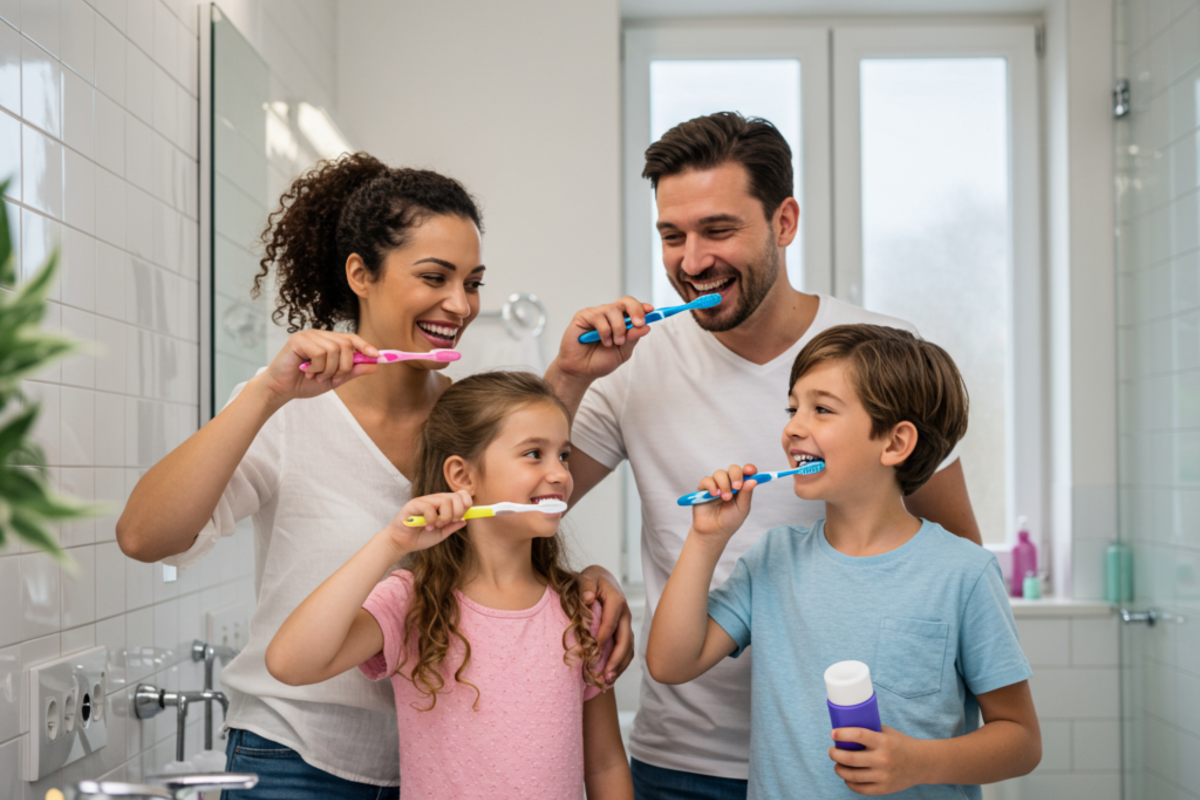
Good habits in childhood and the teen years help preserve the smile later on. Pediatric dentistry has a real long game. Teaching kids how to brush, watching for bite issues, protecting teeth during sports, and treating problems early can reduce wear, decay, and gum trouble down the road.
Aging well often starts with routine dental care before anyone is thinking about an “older smile.”
When to book an exam sooner rather than later
Do not wait if you notice:
teeth becoming much more sensitive
gums pulling back quickly
teeth chipping or flattening
a loose tooth
new spaces or crowding
jaw pain or clicking
persistent dry mouth
a missing tooth affecting chewing
dark spots near the gumline
Some of these problems stay small for a while. Then they do not.
The bottom line
Smiles change with age. That part is normal. A smile becoming weaker, uncomfortable, or harder to maintain is not something you have to accept without options.
With steady home care, regular visits to a dentist, and treatment that puts health first, many age-related changes can be slowed, repaired, or improved. That may mean simple teeth whitening. It may mean gum treatment, restorative dentistry, endodontics, orthodontics, or dental implants. Sometimes the answer is small. Sometimes it is more involved. Either way, the first step is the same: find out what is actually happening in your mouth.
If you are in North Vancouver and have started noticing changes in your smile, the best next move is not guessing. It is getting a thorough exam and a plan that makes sense for your teeth, your bite, and your goals.