Now Welcoming New Patients

Dry Mouth: Causes, Risks, and What Actually Helps
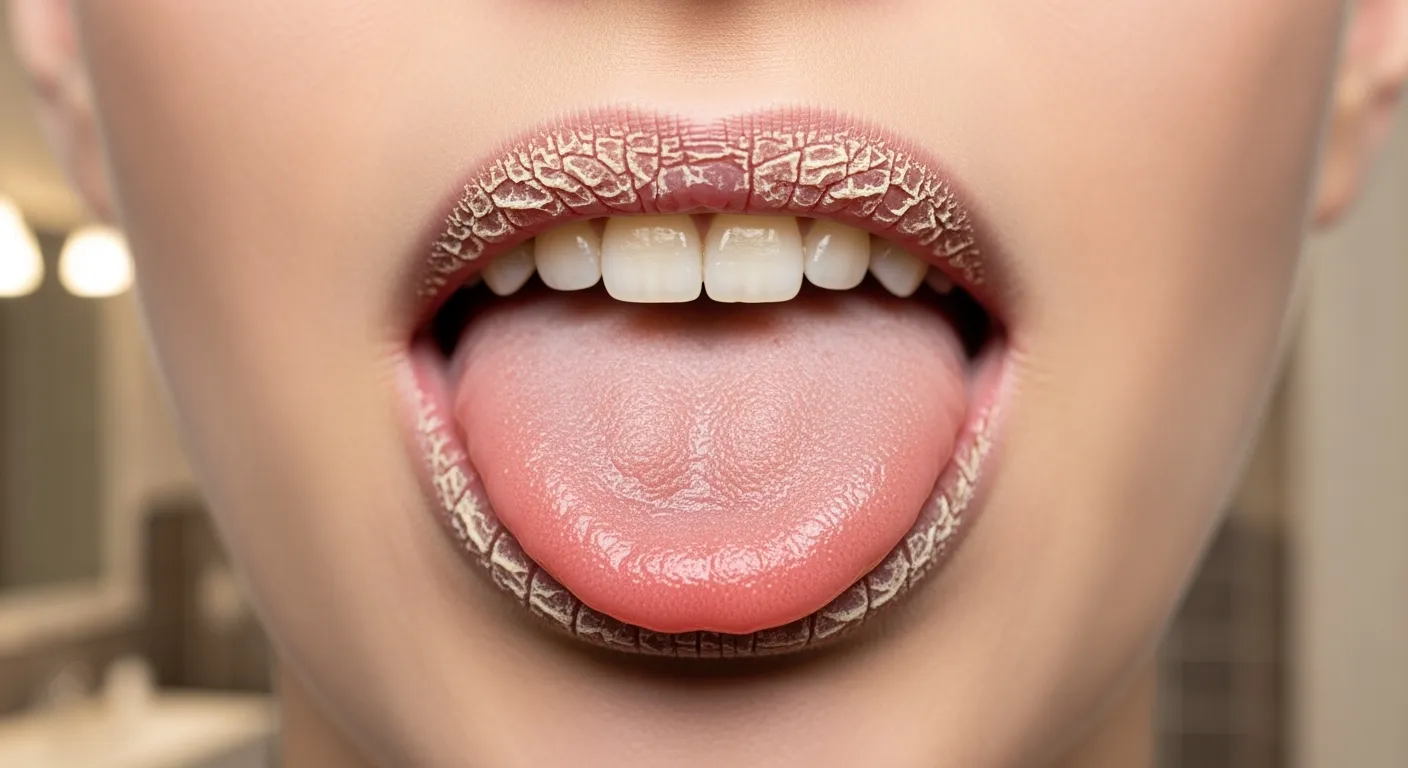
Dry mouth sounds like a small annoyance. For some people, it starts that way. A little stickiness. A need to keep water nearby. A strange rough feeling on the tongue.
Then it keeps going.
That is when it becomes more than uncomfortable. Dry mouth, also called xerostomia, can change how you eat, speak, sleep, and care for your teeth. It can also quietly raise your risk of cavities, gum problems, bad breath, mouth sores, and oral infections. I think that part surprises people most. They expect discomfort. They do not expect real dental damage.
The good news is that dry mouth is manageable in many cases. Sometimes the fix is simple. Sometimes it takes coordination between your physician and your dentist. Either way, the earlier you figure out the cause, the easier it is to protect your mouth.
What dry mouth feels like
People describe dry mouth in different ways, but the patterns are pretty consistent. Common symptoms include:
A dry, sticky, or pasty feeling in the mouth
Trouble speaking for long periods
Difficulty chewing or swallowing
Bad breath that does not seem to go away
A sore tongue or burning feeling
Cracked lips or dryness at the corners of the mouth
Mouth sores
White patches or thrush, which is a yeast infection in the mouth
Some people notice it most at night. Others feel it all day but especially when eating dry foods like crackers, bread, or chicken. Denture wearers may notice sore spots more often. People with braces, crowns, fillings, or other restorative dentistry may feel the difference too, because a dry mouth tends to collect more plaque around everything.
If you are thinking, “My mouth is always dry, but I assumed that was normal,” it is worth paying attention. A mouth that stays dry is telling you something.
Why saliva matters more than most people realize
Saliva does a lot of quiet work. You usually do not think about it until it is missing.
It helps wash away food particles. It buffers acids. It makes swallowing easier. It starts digestion. It keeps the tissues in your mouth more comfortable and less likely to crack or become irritated. It also helps control bacteria and fungi.
When saliva drops, plaque builds up faster. Acid sits on teeth longer. Cavities can form in places that are usually less vulnerable, including near the gumline and around the edges of dental work. Gum tissue can get inflamed more easily. Bad breath becomes more stubborn. And if the mouth tissues stay dry enough, they can split, sting, and get infected.
This is why dry mouth is not just a comfort issue. It is a dental care issue.
For children, adults, and older adults alike, low saliva can turn a low-risk mouth into a cavity-prone one. In pediatric dentistry, that matters because children can move from “a few dry lips” to several new cavities fairly quickly if the cause is not caught. In adults, dry mouth can threaten both natural teeth and existing restorative dentistry. Even dental implants need healthy surrounding tissues, and those tissues do better when the mouth is not chronically dry.
Common causes of dry mouth
There is no single cause, which is part of what makes dry mouth a little frustrating. A few triggers show up again and again.
Medications
This is one of the most common reasons people develop dry mouth. A lot of medications reduce saliva as a side effect. The list is long, but some common groups include:
Antihistamines for allergies
Decongestants for colds or sinus symptoms
Antidepressants
Anxiety medications
Blood pressure medications
Some pain medications
Drugs used for bladder control
Some muscle relaxants
Sometimes one medication is enough to cause symptoms. More often, it is the combination. A person may be taking several drugs that each dry the mouth a little, and together they dry it a lot.
One important note here: do not stop a prescribed medication on your own because your mouth feels dry. Talk to your physician first. There may be another dose, timing change, or medication option that works better for you.
Aging
People often say, “I guess it is just age.” That is not quite the whole story.
Aging itself can play a role, but a big reason older adults deal with dry mouth more often is that they are more likely to take multiple medications and have health conditions that affect saliva. So yes, dry mouth becomes more common with age, but it should not be brushed off as inevitable.
Dehydration
This one is straightforward and easy to underestimate. If your body is low on fluids, your mouth often shows it early.
Dehydration can happen after illness, vomiting, diarrhea, fever, hard exercise, long days outside, or simply not drinking enough water. It can also happen gradually if you rely heavily on caffeine or alcohol and do not replace fluids well.
Radiation therapy for cancer
Radiation treatment to the head or neck can affect the salivary glands and reduce saliva production, sometimes sharply. This is a major issue because the dental consequences can be severe if dry mouth is not managed early. People going through cancer treatment usually do best when oncology and dental teams coordinate care, especially before and during treatment.
Salivary gland and other medical conditions
Less commonly, dry mouth comes from conditions that affect the salivary glands or the body’s ability to make saliva. Autoimmune disorders, gland problems, and certain systemic illnesses can all be part of the picture. If dry mouth is significant and persistent, especially without an obvious medication cause, medical evaluation matters.
When medication is the culprit
Medication-related dry mouth deserves its own section because it is so common, and because it is easy to miss.
A lot of people connect dry mouth with allergy pills, but antidepressants and blood pressure medicines are big ones too. So are some medications for sleep, overactive bladder, pain, and mood. If you recently started a new prescription or added an over-the-counter medicine and your mouth changed soon after, that timing is worth bringing up.
A physician may be able to help by:
Adjusting the dose
Changing when you take the medication
Switching to a different drug in the same category
Recommending a prescription rinse or saliva-stimulating treatment in some cases
This is one of those moments where good medicine and good dentistry overlap. A dentist can see the effect in your mouth, but your physician usually needs to review the medications themselves. Both sides matter.
What you can do at home for relief
Home care will not fix every cause of dry mouth, but it can make a real difference day to day.
Start simple. Sip water regularly. Keep a water bottle nearby if that helps you remember. If your mouth is driest at night, a glass of water by the bed is useful, and a humidifier may make sleep more comfortable.
Sugar-free gum or sugar-free lozenges can help stimulate saliva if you still have some gland function. Products with xylitol are often a good option because they may also lower cavity risk. Just check labels, especially if you have digestive sensitivity, because sugar alcohols bother some people.
Saliva substitutes, mouth-moisturizing gels, and dry-mouth rinses can also help. These products do not replace natural saliva perfectly, but they can reduce friction and discomfort.
A few habits are worth avoiding because they make dry mouth worse:
Tobacco
Alcohol
Alcohol-based mouthwash
Frequent sugary drinks or candies
Very salty, spicy, or acidic foods if your mouth is already sore
If your lips are cracking, a plain lip balm can help. If the inside of your mouth is burning or ulcerated, skip whitening strips or harsh cosmetic products until the tissues settle down. Teeth whitening is best left alone for the moment if your mouth is already irritated. Dry tissues do not tolerate extra irritation well.
The dental side of treatment
Dry mouth needs more than symptom relief. It needs protection.
That usually starts with a dental exam. A dentist can look for early decay, gum inflammation, fungal infection, irritation from dentures or appliances, and changes around existing crowns, fillings, bridges, or implants. Sometimes the damage from dry mouth is subtle at first. A patient just knows their mouth feels “off,” but the dentist can already see plaque buildup increasing or enamel beginning to weaken.
Common dental strategies include:
More frequent cleanings and monitoring
If your saliva stays low, your risk profile changes. Regular checkups matter more, not less.Fluoride treatment
This is a big one. Professional fluoride varnish, prescription-strength fluoride toothpaste, or custom fluoride trays can help protect teeth from decay.Cavity prevention planning
Some people with chronic dry mouth benefit from sealants or more focused prevention in the areas most likely to decay.Treatment of complications
If dry mouth has already led to cavities, gum problems, or infection, those issues need treatment too. That may include restorative dentistry, management of gum inflammation, or care for fungal infection if thrush develops.
This is also where early care saves trouble later. People often wait because dry mouth seems less urgent than tooth pain. But tooth pain is sometimes the result of waiting. Once decay gets deep enough, treatment becomes more involved, and sometimes that means endodontics or tooth replacement decisions that could have been avoided.
Dry mouth during cancer treatment
Dry mouth during cancer care deserves special attention because the risk can climb fast.
Radiation therapy to the head and neck can reduce saliva significantly. Some chemotherapy regimens can also affect the mouth. When saliva drops during treatment, the mouth becomes more vulnerable to sores, infection, pain, trouble eating, and aggressive tooth decay.
The best approach is coordinated care. Ideally, patients have a dental assessment before treatment starts, then close follow-up during and after treatment. Preventive steps such as fluoride, careful hygiene instruction, and tailored product recommendations can make the mouth much easier to manage.
This is not a time to “just wait it out.” If swallowing hurts, sores linger, or white patches appear, speak up early.
Dry mouth in kids, teens, and older adults
Dry mouth is often discussed as an adult problem, but it can happen at any age.
In children and teens, dehydration, mouth breathing, and medications can all play a role. ADHD medications and some allergy medications are common examples. Kids may not say, “My mouth feels dry.” They may just drink constantly, avoid certain foods, complain that it hurts to swallow, or start getting cavities in clusters. That is one reason pediatric dentistry visits matter even when a child is not reporting pain.
Older adults often face a different version of the same issue. They may have multiple medications, dexterity challenges that make oral hygiene harder, or dentures that become uncomfortable in a dry mouth. Here, routine dental care is not cosmetic maintenance. It is practical protection.
A few daily habits that matter more than people think
If you live with dry mouth regularly, these basics are worth being a little stubborn about:
Brush at least twice a day with fluoride toothpaste
Floss once a day
Drink water through the day
Keep up with routine dental visits
Watch for sores, white patches, worsening breath, or a sudden jump in cavities
I would add one more thing. Pay attention to your normal. If your mouth has changed, and especially if it changed quickly, do not assume you just need to tolerate it.
When to get checked soon
Make an appointment with a physician or dentist if dry mouth is sticking around, especially if you also have:
Trouble swallowing
Mouth sores that do not heal
White patches or a thick coating in the mouth
Cracked corners of the lips
Persistent bad breath
New or rapidly increasing cavities
Pain when eating
A recent change in medications
If you already have a complicated dental history, such as extensive restorative dentistry, dentures, or dental implants, it makes even more sense to get ahead of the problem. Dry mouth changes the environment those treatments live in.
The bottom line
Dry mouth is common, but it is not harmless. Saliva protects your teeth and soft tissues every day, and when it drops, your mouth notices.
If your mouth feels dry, sticky, sore, or harder to use than usual, start with two steps: review the possible cause with your primary care provider, and book a dental visit to check for early damage and discuss prevention. For many people, that combination is what turns dry mouth from a lingering problem into a manageable one.
And honestly, that is the goal. Less irritation. Fewer cavities. Easier eating, speaking, and sleeping. A healthier mouth, without waiting for things to get worse.