Now Welcoming New Patients

Do Dental Implants Hurt? What to Expect Before and After Surgery

If you need a dental implant, the question that usually shows up first is simple and very human: how much is this going to hurt?
I get why people ask it. “Implant” sounds intense. There is surgery involved. Your imagination usually fills in the blanks with more drama than the actual appointment deserves.
The short answer is this: during the procedure, you should not feel pain because the area is numbed. After the procedure, you can expect soreness, swelling, and tenderness for a few days. For most people, the recovery is manageable with rest, soft foods, and the pain relief plan their dentist gives them.
That does not mean every case feels the same. A single straightforward implant is different from an implant placed after an extraction, a bone graft, or treatment for infection. Your own pain tolerance matters too. So does anxiety, which can make any oral surgery feel bigger before it starts.
Here’s what usually happens before, during, and after dental implants, and what “normal” discomfort actually looks like.
Why dental implants sound scarier than they often feel
A dental implant is a small titanium or ceramic post placed in the jawbone to replace a missing tooth root. Later, it supports a crown, bridge, or denture. In restorative dentistry, implants are often the closest thing we have to rebuilding a missing tooth in a stable, long-term way.
Still, the phrase “placed in the jawbone” can make people tense up fast.
What many patients find surprising is that the discomfort is often less dramatic than they expected. Part of that is because modern dental care is built around local anesthesia, careful planning, and step-by-step recovery instructions. Another part is that pain after implant surgery usually feels more like post-surgical soreness than sharp dental pain.
That difference matters. Sharp tooth pain, especially pain from infection or nerve irritation, can be miserable. Surgical soreness is unpleasant, but it tends to be more predictable. You know why it’s there, and it usually improves a little each day.
What happens before implant surgery
A good implant experience starts long before the day of surgery.
Your dentist will first check whether an implant is actually the right treatment. That usually includes an exam, X-rays or 3D imaging, and a review of your medical history. If you have gum disease, uncontrolled diabetes, heavy smoking habits, or certain medications that affect healing, those issues may need attention first.
This part is important because not every missing tooth automatically needs an implant. Sometimes a tooth can still be saved with endodontics, which means treating the inside of the tooth, often with a root canal. In other cases, a bridge or denture may make more sense. A thoughtful dentist does not jump straight to surgery.
You may also learn whether your case is simple or more involved. Some people need:
a tooth extraction before the implant
a bone graft to build up the jaw
a sinus lift in the upper back jaw
more healing time between steps
If you want a general idea of the procedures that can fall under oral surgery, it helps to understand that implant treatment can range from fairly routine to more complex depending on your bone, gums, and overall health.
Questions worth asking at the consultation
This is the part I wish more patients felt comfortable slowing down for. Ask practical questions.
How long will the appointment take?
Will you be fully numb?
Will you need sedation?
How many days should you plan to rest?
What foods should you buy ahead of time?
What symptoms would count as a problem?
When people know what to expect, pain often feels less frightening. Uncertainty is half the battle.
Does the implant procedure itself hurt?
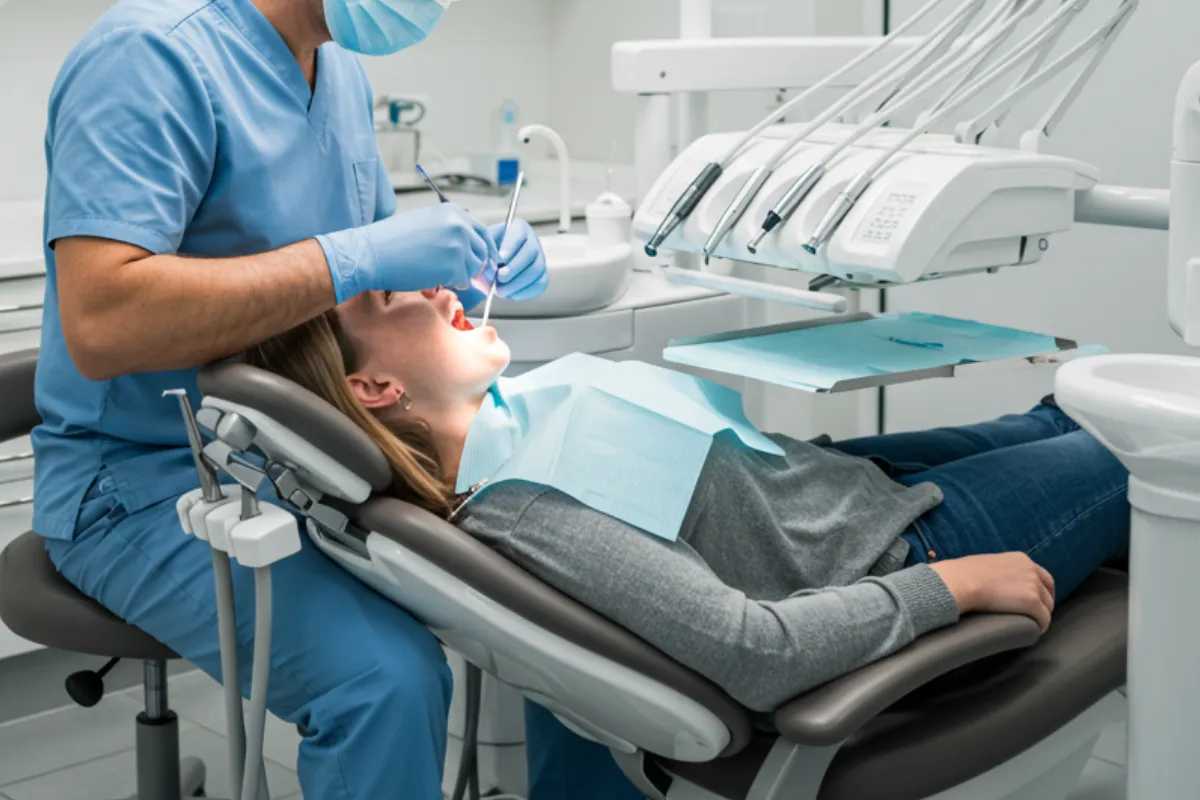
During the procedure itself, you should not feel pain if the area is properly numbed.
You will likely feel pressure, movement, vibration, and hear some noise. That is normal. It can feel weird. For some people, the strange sensations are more unsettling than the surgery itself. But sharp pain is not something you should try to “push through.” If you feel pain during the procedure, tell the dentist right away so more anesthetic can be given.
Here’s what usually happens:
1. Numbing the area
Local anesthetic is used to block pain in the gums and jaw. This is similar in principle to what happens during other dental procedures, though the appointment may be longer.
If you are very anxious, ask about sedation options. For some patients, especially those with strong gag reflexes, sensory sensitivities, past dental trauma, or special needs, extra support can make the experience much easier.
2. Preparing the site
The dentist makes a small opening in the gum and prepares the bone for the implant. This is the part people tend to fear most before surgery, but with good anesthesia, it usually feels like pressure and vibration rather than pain.
3. Placing the implant
The implant is inserted into the prepared space in the bone. In many cases, the gum is then closed over or around it so the area can heal.
4. Recovery begins
You go home with instructions, often including pain medicine recommendations, a softer diet, and hygiene guidance.
If the implant is placed at the same time as an extraction or bone graft, expect the recovery to feel a bit more noticeable. That does not mean something is wrong. It usually just means your body has more healing to do.
What does recovery feel like after surgery?
This is where the real answer to “Do dental implants hurt?” lives.
Yes, there is discomfort after surgery. Most people describe it as soreness, tenderness, bruising, pressure, or throbbing. The gums may feel irritated. Your jaw may feel stiff. If the implant was placed in the back of the mouth, opening wide can feel awkward for a few days.
The first 24 to 72 hours are usually the most noticeable.
The first day
You may have numbness for a few hours. Once that wears off, soreness begins to show up. Mild bleeding or oozing can happen on the first day. Swelling often starts small and builds gradually.
This is the point where staying ahead of pain helps. Take medication exactly as directed. Do not wait until discomfort is intense.
Days two and three
This is often the peak swelling period. That can surprise people, because they expect the first day to be the worst. Some swelling, bruising, and tenderness are normal here.
You might also feel tired. Surgery is local, but healing still takes energy.
The first week
Pain should slowly improve, even if the area still feels delicate. Many people are back to work quickly, especially after a single implant, but they still need to chew carefully and avoid irritating the area.
The longer healing period
The gum may look better before the deeper healing is finished. The bone then needs time to attach to the implant in a process called osseointegration. That part takes much longer than the early soreness. You usually do not feel it happening, but it is the reason implant treatment is done in stages.
What level of pain is normal?
Normal recovery can include:
mild to moderate soreness
swelling in the gums or face
bruising
tenderness when chewing nearby
jaw stiffness
minor bleeding on the first day
What is not normal is pain that gets worse instead of better after several days, especially if it comes with fever, bad taste, pus, or strong swelling that keeps increasing.
People sometimes worry that any discomfort means the implant is failing. Usually, that is not the case. A healing mouth is not a sensation-free mouth.
What can make implant surgery hurt more?
Pain is not random. Some factors really do change the experience.
Complexity of the case
A single implant in healthy bone is usually easier to recover from than several implants, bone grafting, or an implant placed right after a difficult extraction.
Existing infection or inflammation
If the area was already infected or painful before treatment, tissues may be more irritated to begin with.
Location in the mouth
Some sites are simply trickier than others. Upper implants near the sinus area, or back teeth that are hard to access, may come with a different recovery feel than a front tooth.
Anxiety
This one gets dismissed too often. Anxiety can make physical sensations feel louder. If you are tense the whole time, your body remembers the event as bigger and rougher. That does not mean the pain is imagined. It means your nervous system is involved, which is very real.
Aftercare
Skipping instructions, smoking, eating hard foods too soon, or not keeping the area clean can lead to more soreness and slower healing.
How dental implant pain compares with other dental treatments
People usually want a reference point.
Compared with a filling, implant surgery is more involved. Compared with many tooth extractions, recovery is often similar or sometimes easier than patients expected. Some people say the waiting before surgery was worse than the healing after it.
Compared with endodontics, the experience is different. A root canal is often done to stop severe tooth pain caused by infection or an inflamed nerve. Implant surgery usually starts when the tooth is already missing or being replaced. So you are comparing treatment of pain with recovery from surgery, which is not quite the same thing.
Compared with teeth whitening, there is really no overlap. Teeth whitening can cause temporary tooth sensitivity, but it does not involve the surgical soreness you see with implants.
And for families wondering about age, dental implants are generally not part of pediatric dentistry because children and teens are still growing. A developing jaw changes the timing. Younger patients with missing teeth need careful planning and often a different temporary solution until growth is complete.
How to make recovery easier
A smooth recovery is rarely about toughness. It is mostly about boring, sensible habits for a few days.
Use cold packs during the first day as directed. They help with swelling and can take the edge off soreness.
Eat soft foods. Yogurt, eggs, soup that is not too hot, mashed vegetables, oatmeal, smoothies eaten carefully with a spoon, and soft pasta are common picks.
Rest more than you think you need. Heavy exercise too soon can increase bleeding and swelling.
Keep your mouth clean, but be gentle. Follow the brushing and rinsing instructions exactly.
Avoid smoking or vaping while healing. This one really matters for blood flow and implant success.
Take medications on schedule. Pain is easier to control early than after it ramps up.
Do not chew on the implant site until your dentist says it is okay.
These steps sound simple because they are. Simple does not mean optional.
When to call your dentist
A little worry after oral surgery is normal. You do not need to panic over every twinge. But there are signs that deserve a call.
Reach out if you have:
pain that is getting worse after the first few days
swelling that becomes severe or spreads
fever
pus, bad taste, or foul odor
bleeding that does not settle
numbness that lasts longer than expected
an implant that feels loose
trouble swallowing or breathing
Most implant recoveries are straightforward. Still, when something feels off, trust that instinct and check in.
The part people do not always say out loud
A lot of fear around dental implants is not really about pain alone. It is about giving up control. Lying back. Hearing unfamiliar sounds. Worrying about cost, time, healing, appearance, and whether you made the right call.
That is normal.
For some patients in North Vancouver and anywhere else, the hardest part is not the surgery. It is the build-up before it. If that sounds like you, ask for details. Ask for pauses. Ask how the appointment will go, minute by minute if you need to. Good dental care should leave room for that.
You do not have to act brave to get through implant treatment well.
The bottom line
Do dental implants hurt? During surgery, they should not hurt because the area is numbed. After surgery, expect soreness, swelling, and tenderness that usually peak in the first few days and then improve.
The experience is real, but it is usually manageable. In many cases, patients find implant recovery less dramatic than they feared.
If you are deciding between dental implants and other restorative dentistry options, the smartest next step is a thorough exam and an honest conversation about your mouth, your health, and your comfort level. The goal is not to pretend oral surgery feels like nothing. It is to know what is normal, what helps, and when to ask for support.