Now Welcoming New Patients

Can Sugar-Free Gum With Xylitol Help Prevent Cavities?
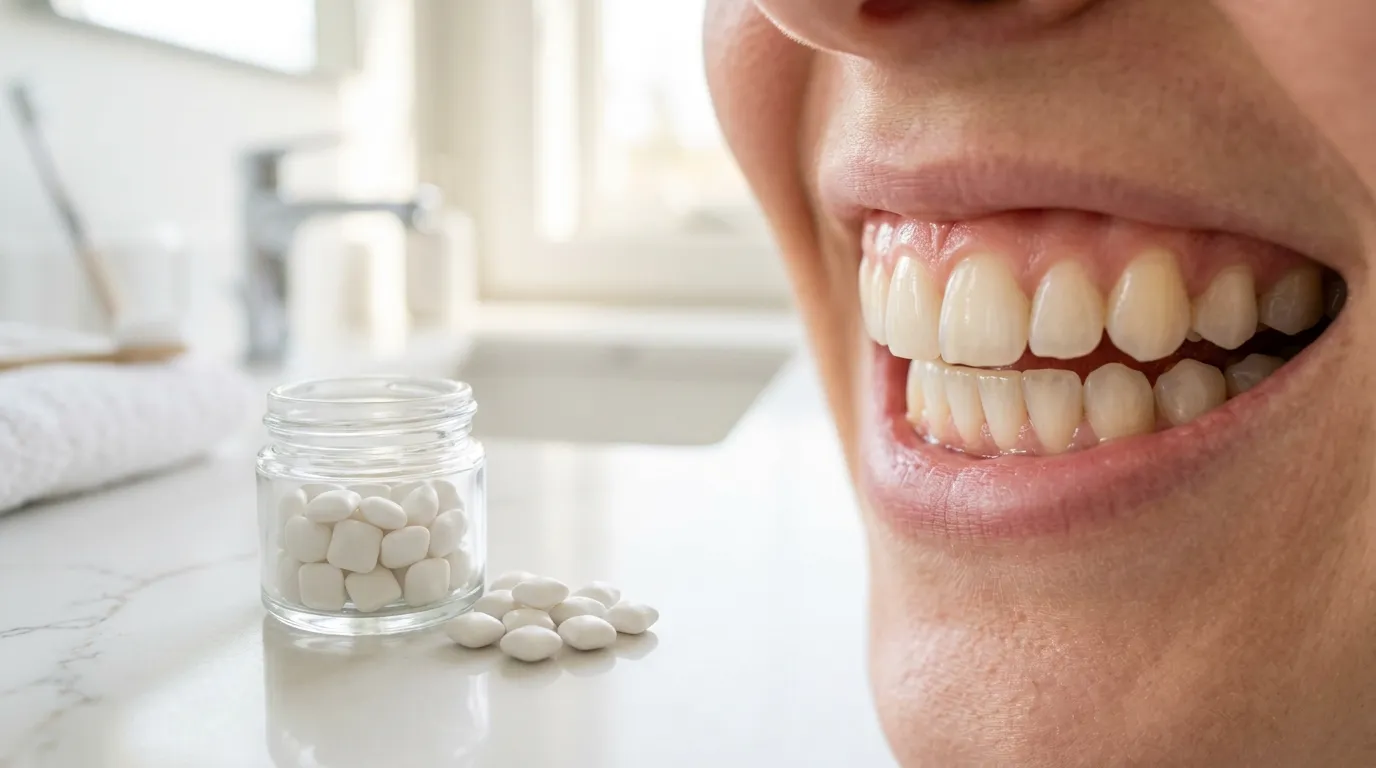
Most people think of chewing gum as a small habit, something to reach for after lunch, during a commute, or when coffee breath strikes. It can be that. But the right kind of gum can also play a modest, useful role in dental care.
Sugar-free gum, especially gum made with xylitol, may help lower the conditions that allow cavities to form. The key word is “help.” Gum does not replace brushing, flossing, fluoride toothpaste, or routine dental visits. Still, when used at the right time, it can be a practical extra layer of protection for children, teens, and adults.
That is good news for busy families in North Vancouver, where packed school schedules, office lunches, and long commutes can make it hard to clean teeth immediately after eating.
Why cavities happen in the first place
Cavities develop when certain bacteria in the mouth use sugars and fermentable carbohydrates from food and drinks as fuel. As those bacteria feed, they create acids. Repeated acid exposure weakens tooth enamel, the hard outer layer of teeth.
The mouth can repair some early mineral loss through saliva, fluoride, and time between meals. Trouble starts when teeth face frequent acid attacks, such as sipping sweetened drinks throughout the day or grazing on sticky snacks. Saliva may not have enough time to neutralize the acid and support enamel repair.
A cavity is not always painful at first. In fact, early decay is often silent. By the time a tooth aches, decay may have moved deeper and may need restorative dentistry, such as a filling, crown, or root canal treatment through endodontics.
Prevention is much easier, more comfortable, and usually less expensive than treating a cavity after it grows.
What chewing gum does for your mouth
Chewing gum stimulates saliva flow. That is the main reason it can support oral health.
Saliva does several valuable jobs:
It helps rinse away food particles left behind after meals.
It dilutes and neutralizes acids produced by oral bacteria.
It brings calcium and phosphate to teeth, which can help strengthen enamel after minor acid exposure.
It helps reduce dry-mouth discomfort, which itself can raise the risk of cavities.
For many people, saliva flow is lower between meals or during periods of dehydration, stress, medication use, or mouth breathing. Chewing sugar-free gum for a short time after eating can increase saliva when it is most useful.
There is one obvious catch. Gum sweetened with regular sugar feeds cavity-causing bacteria. It may stimulate saliva, but the added sugar works against the benefit. For dental care purposes, choose sugar-free gum.
Why xylitol gets special attention
Xylitol is a sugar alcohol used to sweeten some sugar-free gums, mints, toothpastes, and other products. It tastes sweet, but the bacteria most associated with tooth decay, including Streptococcus mutans, do not use xylitol in the same way they use sucrose, glucose, or other dietary sugars.
When cavity-causing bacteria encounter xylitol, they cannot easily turn it into the acids that wear down enamel. Regular exposure to xylitol may also make it harder for these bacteria to thrive and stick to the tooth surface.
That does not mean xylitol sterilizes the mouth or removes plaque. It does not. Everyone has oral bacteria, and no gum can replace cleaning the gumline with a toothbrush and floss or an interdental cleaner.
The value of xylitol gum is more realistic and more useful than that: it may reduce the fuel available to acid-producing bacteria while also increasing protective saliva. Think of it as a helpful after-meal habit, not a cure.
Sugar-free gum versus xylitol gum
All sugar-free gum avoids one major problem: adding sugar to the mouth. Many varieties use sweeteners such as sorbitol, mannitol, aspartame, sucralose, or stevia. These gums can still stimulate saliva, which is beneficial after meals.
Xylitol gum may provide an added advantage because xylitol has been studied specifically for its effect on cavity-causing bacteria. That said, the exact benefit depends on the product, how often it is used, a person’s overall cavity risk, fluoride exposure, diet, and oral hygiene routine.
When choosing gum, check the ingredient list. A package that says “sugar-free” is not necessarily primarily sweetened with xylitol. Xylitol may appear lower on the list, behind other sweeteners. If xylitol is your goal, look for products that list it prominently.
Flavour matters too. The best gum is one you can chew comfortably and use consistently. A mint flavour may suit one person; a fruit flavour may be easier for a child. The dental benefit comes from the sugar-free formula and the saliva response, not from whether the gum tastes like spearmint or watermelon.
How to use gum as part of a cavity-prevention routine
The most practical time to chew sugar-free gum is after meals or snacks, especially when brushing is not possible.
For example, imagine someone eating lunch at work, then heading into meetings. They may not have access to a toothbrush or a sink. Chewing sugar-free gum for about 10 to 20 minutes after the meal can increase saliva and help clear the mouth. It is a far better choice than reaching for a sweet mint, sugary coffee drink, or candy.
A simple approach is:
Choose a sugar-free gum, ideally one containing xylitol.
Chew it after eating for roughly 10 to 20 minutes.
Discard it safely. Do not swallow it intentionally or leave it where children or pets can reach it.
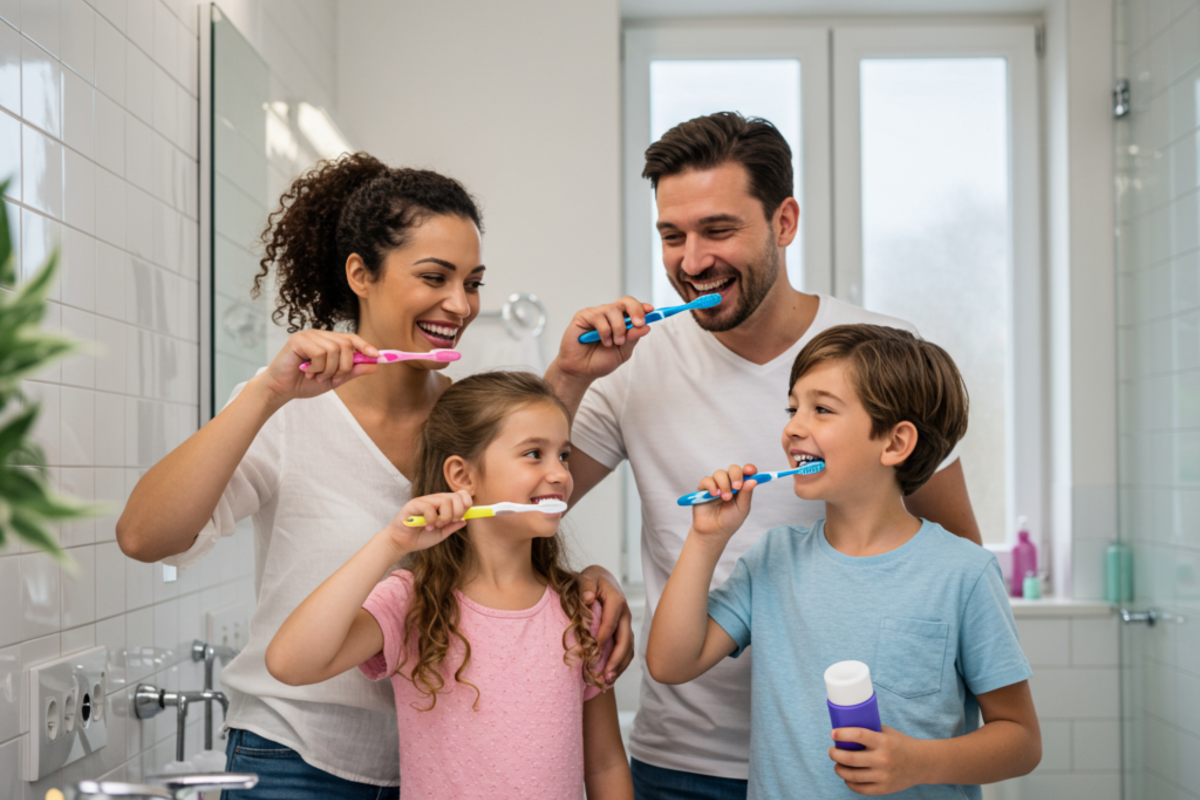
Continue brushing twice daily with fluoride toothpaste and cleaning between teeth every day.
Avoid chewing gum continuously for hours. More is not always better. Constant chewing can tire the jaw muscles and may worsen discomfort for people with temporomandibular joint problems, jaw clicking, or frequent headaches.
Gum cannot replace brushing and flossing
It is tempting to treat a convenient habit as a complete solution. Dentistry is full of those tempting shortcuts. Whitening strips cannot fix a cavity. Mouthwash cannot remove hardened tartar. Gum cannot clean plaque from between teeth or along the gumline.
Plaque is a sticky bacterial film. If it is not physically removed, it can contribute to tooth decay and gum inflammation. Brushing for two minutes twice each day with fluoride toothpaste remains the foundation of at-home dental care. Cleaning between teeth once daily matters because a toothbrush cannot reach every contact area.
For people at higher risk of cavities, a dentist may recommend more frequent fluoride treatment, prescription-strength toothpaste, sealants, dietary changes, or a closer recall schedule. This group can include people with dry mouth, frequent snacking habits, orthodontic appliances, past cavities, gum recession, or certain medical conditions.
Xylitol gum fits into that routine nicely, but it cannot carry the whole load.
A useful option for children and teens, with supervision
Children and teens often have the snack-heavy routines that make cavities more likely. School lunches, sports drinks, granola bars, sweetened coffees, and frequent sipping can expose teeth to sugar and acid many times a day.
For older children who can safely chew gum without swallowing it, sugar-free gum after lunch can be a reasonable addition to pediatric dentistry routines. It is especially useful when a toothbrush is not available at school.
Young children should not be given chewing gum because of choking risk. Parents and caregivers should also consider a child’s ability to chew safely, follow instructions, and dispose of the gum properly. Children with developmental differences, sensory sensitivities, swallowing concerns, or special care needs may need a different approach. A dentist can help families choose prevention strategies that feel manageable rather than stressful.
Teenagers with braces should ask their orthodontic or dental team before chewing gum. Some types of gum can stick to brackets or wires, even if the package claims otherwise. In that situation, rinsing with water after meals and keeping a small travel toothbrush may be better options.
Who should be cautious with xylitol gum?
Sugar-free gum is safe for many people, but it is not ideal for everyone.
Sugar alcohols, including xylitol, can cause bloating, gas, or loose stools when consumed in larger amounts. People with irritable bowel syndrome or a sensitive digestive system may notice these effects even with modest use. Start slowly and stop if it causes discomfort.
Anyone with jaw pain, jaw locking, or temporomandibular joint symptoms should be careful. Chewing may aggravate sore muscles or joint irritation. In those cases, rinsing with water after meals is a gentler way to clear food and reduce acid exposure.
People with dental restorations, including crowns, bridges, dentures, or dental implants, can usually use sugar-free gum if chewing is comfortable. Still, gum may stick to some dental work or feel awkward around a new restoration. If it repeatedly pulls at a crown, catches under a partial denture, or causes soreness around an implant, stop chewing it and mention it at your next dental visit.
There is one safety point worth taking seriously: xylitol is extremely toxic to dogs. Even a small amount can trigger a dangerous drop in blood sugar and may cause liver failure. Keep gum, mints, baked goods, and toothpaste containing xylitol out of reach of pets. If a dog eats xylitol, contact a veterinarian or emergency animal poison service immediately.
After oral surgery, skip the gum
Chewing gum is not appropriate after oral surgery, tooth extraction, dental implant placement, or some forms of restorative dentistry. The chewing motion can strain a healing area, and gum may stick near surgical sites or disturb sutures.
After an extraction, it is especially important to follow your dentist or oral surgeon’s instructions. Patients are often advised to avoid vigorous rinsing, straws, smoking, and chewing near the treatment area because these actions can interfere with clot formation and healing.
Soft, nourishing foods are usually the better choice during recovery. For practical meal ideas, read this guide to the best foods to eat after oral surgery. Once the area has healed and your dental professional says it is safe, sugar-free gum may again be an option.
Does xylitol help with bad breath?
It can help temporarily, mainly because it stimulates saliva and masks odour with flavour. Saliva helps wash away debris and dry-mouth bacteria, both of which can contribute to bad breath.
But persistent bad breath is often more complicated than a need for stronger mint gum. It may be linked to gum disease, untreated cavities, dry mouth, tongue coating, tonsil stones, smoking, certain foods, or medical conditions. A minty flavour can cover the smell for a while without dealing with its source.
If bad breath continues despite regular brushing, tongue cleaning, flossing, hydration, and dental checkups, bring it up with a dentist. It is a common concern, and there is no need to feel embarrassed about it.
The bigger picture: reduce how often teeth meet sugar
Chewing xylitol gum can be helpful, but the frequency of sugar exposure matters more than many people realize. A sweet snack eaten with a meal is generally less harmful to teeth than small sugary bites or sips repeated all afternoon.
Consider two routines:
One person drinks a sweetened latte with breakfast, then water through the morning, eats lunch, and chews sugar-free gum afterward. Another person drinks sweetened coffee slowly for three hours, has a handful of candy at their desk, and sips juice after lunch. Even if the total sugar were similar, the second routine keeps teeth under acid pressure for much longer.
Water is the simplest drink between meals. Milk can be a reasonable option with meals. If you enjoy acidic or sweet drinks, have them with food when possible, rather than sipping them repeatedly throughout the day.
A small habit with real limits
Sugar-free gum with xylitol is a sensible tool for many people. It encourages saliva, does not feed cavity-causing bacteria the way sugar does, and may help reduce the bacteria associated with tooth decay. It is portable, inexpensive, and easy to use after a meal when brushing is not realistic.
Still, it belongs in the “helpful extra” category. The basics remain the basics: fluoride toothpaste twice daily, daily cleaning between teeth, water between meals, a diet that limits frequent sugar exposure, and regular dental care.
If you are unsure whether gum fits your routine, especially after oral surgery, during orthodontic treatment, or with ongoing jaw discomfort, ask a dentist. A few small adjustments can make a meaningful difference in preventing cavities over time.