Now Welcoming New Patients

Are Whitening Strips Bad for Your Teeth? What Dentists Want You to Know
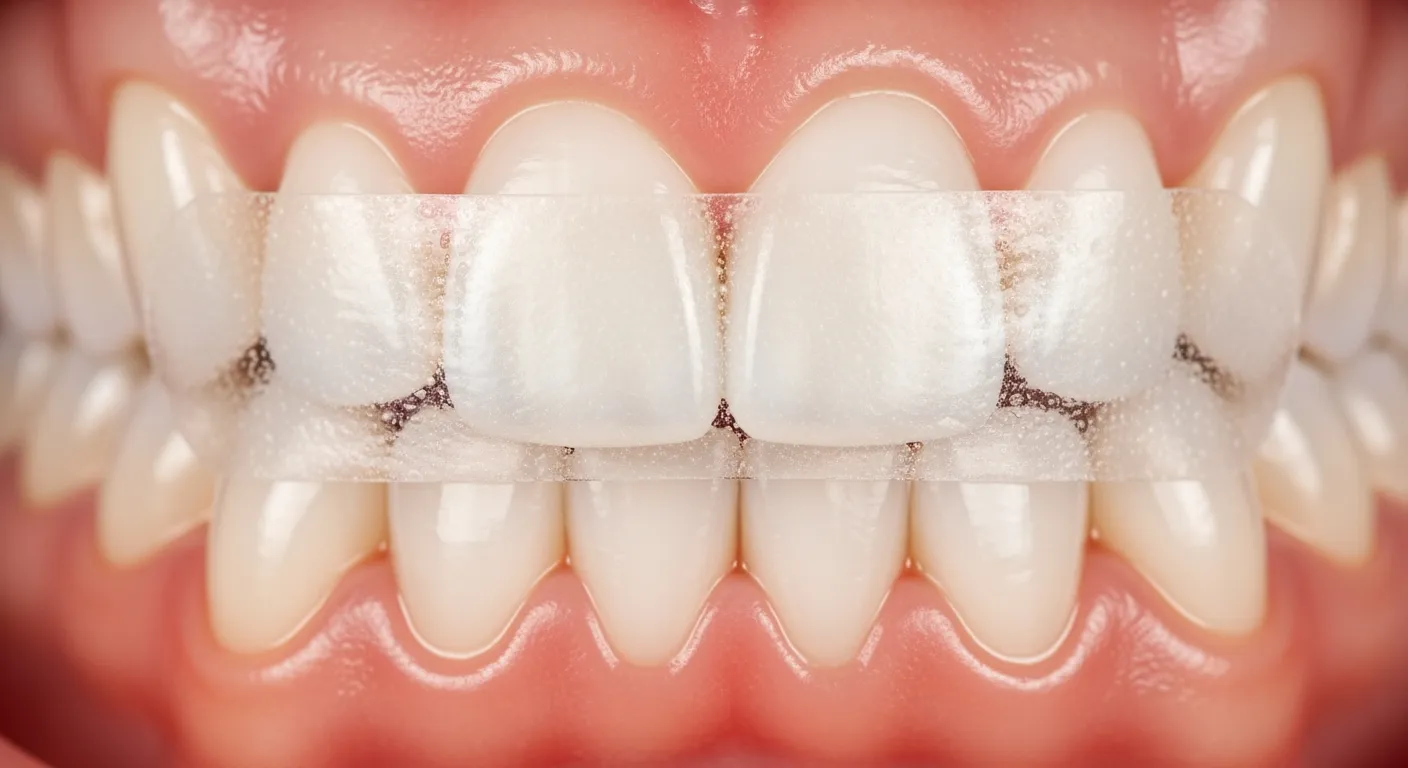
Whitening strips are easy to buy, easy to use, and hard to ignore when every box promises a brighter smile. I get the appeal. For a lot of people, they feel like the simplest version of teeth whitening you can do at home.
But the big question is fair: are whitening strips actually bad for your teeth?
The short answer is no, not usually. When used as directed, whitening strips are generally considered safe for healthy teeth. The bigger problem is misuse. People leave them on too long, use them too often, or try to whiten teeth that already have cavities, exposed roots, gum recession, or old dental work that will not lighten anyway. That is when an affordable cosmetic fix can turn into a painful week.
Here is the honest version from a dentist’s point of view.
How whitening strips actually work
Most whitening strips use either hydrogen peroxide or carbamide peroxide. These ingredients break apart stain molecules inside the enamel and dentin, which makes teeth look lighter. They do not scrub the tooth clean like toothpaste. They change the chemistry of the stain.
That matters because not all discoloration is the same.
Some stains are external. Coffee, tea, red wine, smoking, and dark sauces can all leave color on the surface of teeth. Whitening strips often help with those.
Some stains are internal. A tooth can darken after trauma. Certain medications can affect tooth color. Aging changes the way enamel and dentin reflect light. In those cases, strips may help a little, or not much at all.
This is one reason people get mixed results. One person uses strips for ten days and loves the change. Another gets sensitivity and barely sees a difference. Both experiences can be real.
So, are whitening strips bad for enamel?
This is the part people worry about most.
Used correctly, whitening strips do not “strip” enamel off your teeth. That name sounds harsher than the product is. Research on peroxide-based whitening has generally shown that enamel remains structurally safe when these products are used as directed. The common side effects are temporary tooth sensitivity and gum irritation, not permanent enamel loss.
Still, “safe when used correctly” is doing a lot of work in that sentence.
Problems are more likely when someone:
uses strips more often than the package recommends
keeps them on longer than directed
stacks multiple whitening products at the same time
uses them on teeth with untreated decay, cracks, or exposed roots
keeps whitening because they are chasing an unnaturally bright shade
In other words, the strips themselves are not usually the villain. Overuse is.
Why whitening strips can make teeth hurt
If you have ever used whitening strips and felt sharp little zings afterward, you are not imagining it.
Peroxide can temporarily make teeth more sensitive by moving through enamel and irritating the nerve inside the tooth. This tends to be worse if you already have thin enamel, gum recession, worn teeth, or small cracks. People who clench or grind sometimes notice more sensitivity too.
There is another layer to this. Sometimes what seems like “whitening sensitivity” is actually a warning sign that something else is wrong. A cavity, leaky filling, cracked tooth, or inflamed nerve can all react badly to whitening gel.
That is why dentists do not look at sensitivity as just an inconvenience. Sometimes it is useful information.
If pain is strong, lingers for hours, or seems isolated to one tooth, stop whitening and get it checked. A whitening strip should not turn one tooth into a crisis. In some cases, a painful dark tooth may need treatment in endodontics rather than more bleaching.
Gum irritation is common, and usually preventable
The second big complaint is sore gums.
Whitening gel is meant for teeth, not soft tissue. If the strip overlaps onto the gums, you can end up with white, irritated patches or a burning feeling. It usually settles down within a day or two, but it is still unpleasant.
This happens more often when strips do not fit well, when people press them too high onto the gumline, or when they use them on crowded teeth where contact is uneven.
If your gums are already inflamed from plaque buildup or gingivitis, the irritation can feel worse. Good dental care before whitening matters more than people think.
When whitening strips are a bad idea
This is where the blanket answer of “sure, they’re safe” falls apart a bit. They are not right for everyone.
Whitening strips may not be a good choice if you have:
Cavities or untreated dental problems
Bleaching agents can sneak into damaged areas of the tooth and make pain much worse. If you know you need restorative dentistry, handle that first.
Gum recession or exposed roots
Roots do not whiten the same way enamel does, and they are much more sensitive. Strips can sting badly in these areas.
Crowns, veneers, fillings, or bonding on front teeth
Whitening strips do not lighten restorations. So if your natural teeth get whiter but a visible filling or crown does not, the color mismatch can look more obvious. This also applies to dental implants with crowns.
Very sensitive teeth
Some sensitivity is common. Constant baseline sensitivity is different. If cold water already bothers you, whitening may push things too far.
Braces or certain orthodontic attachments
The whitening effect can be patchy because the strip does not contact the whole tooth surface evenly.
Children
Whitening products are generally not meant for young children. In pediatric dentistry, tooth discoloration is evaluated carefully because the cause matters. Whitening should not be a casual at-home experiment in a child.
Some teens
Teenagers can be candidates in some cases, but younger teeth often have larger pulp chambers and can be more sensitive. This is one of those areas where a quick conversation with a dentist is worth it.
Pregnancy or breastfeeding
Whitening is usually considered elective. Many people choose to postpone it during pregnancy or breastfeeding simply because it is not urgent.
What dentists actually think about whitening strips
Most dentists are not anti-strip. They are anti-misuse.
At-home whitening products can work, especially for mild to moderate yellow staining. They are often a reasonable entry point for adults with healthy teeth and realistic expectations. The issue is that people use cosmetic products without checking whether their mouth is healthy enough for them first.
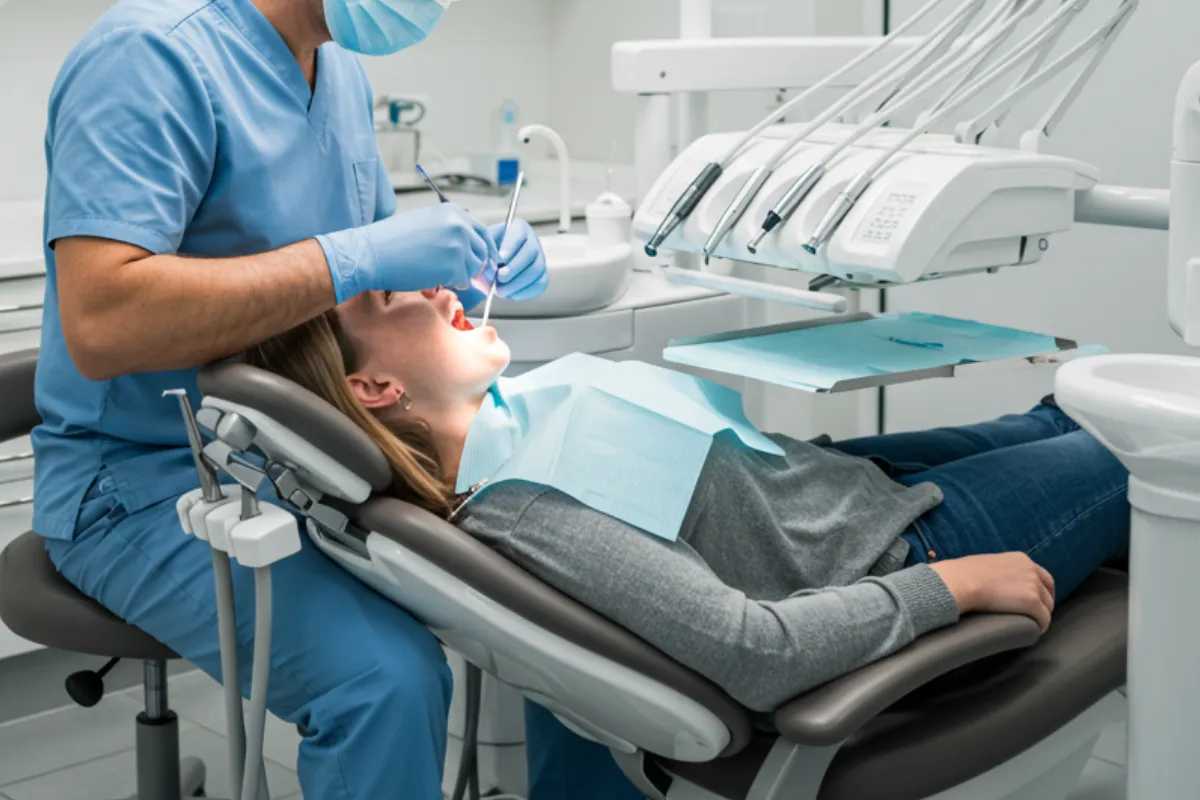
A dentist looks at the things a box in the pharmacy cannot:
Is the discoloration coming from coffee, or from trauma?
Are those white spots harmless, or signs of enamel weakness?
Is that sensitivity normal, or is there decay under an old filling?
Will whitening even help, or will you end up disappointed because the teeth that bother you most are crowned already?
That is the difference between buying a product and making a smart plan.
Whitening strips versus professional teeth whitening
If you are deciding between strips and professional teeth whitening, the right choice depends on your goals, budget, and dental history.
Whitening strips are usually best for mild staining, lower cost, and convenience. The tradeoff is less customization. You get a standard formula and a standard fit.
Professional whitening usually costs more, but you get a more controlled process. Dentists can check for cavities first, protect the gums better, and tailor the strength or delivery method if your teeth are prone to sensitivity.
Neither approach is perfect for every case.
For example, if a tooth is dark because it had previous trauma, whitening strips may barely touch it. If a tooth has had root canal treatment, outside whitening may not solve the problem at all. If color mismatch is tied to old bonding or crowns, the plan may involve restorative dentistry after whitening, not just whitening alone.
This is also why cosmetic conversations sometimes spill into other parts of dental care. What looks like a whitening issue can connect to endodontics, old restorations, or even replacement options like dental implants if a tooth has been lost. Teeth do not organize themselves into neat categories for our convenience.
How to use whitening strips more safely
If you want to try strips, a little restraint goes a long way. Here is the practical advice dentists usually give:
Start with healthy teeth and gums. If you have tooth pain, bleeding gums, or visible decay, deal with that first.
Read the directions and actually follow them. Not mostly. Exactly.
Do not leave strips on longer to “speed up” results. That usually buys you sensitivity, not a brighter smile.
Avoid doubling up with whitening toothpaste, whitening rinses, and extra strip sessions all at once.
Dry your teeth a little before applying the strips if the instructions suggest it. Better contact can mean better results and less sliding onto the gums.
If sensitivity starts, take a break. You do not have to push through a full consecutive schedule.
Use a toothpaste made for sensitive teeth during and after whitening.
Keep your expectations realistic. Whitening can lighten teeth. It cannot make every smile paper white, and honestly, that tends to look unnatural anyway.
What if you already used strips and now your teeth are sensitive?
First, stop the whitening for a few days.
Then simplify everything. Use a soft toothbrush, lukewarm water if cold hurts, and a sensitivity toothpaste. Avoid acidic drinks for a bit if your teeth feel reactive. In many cases, the discomfort settles down.
Call a dentist if:
the pain is severe
one tooth hurts much more than the others
sensitivity lasts longer than a few days
biting feels painful
you notice swelling, gum changes, or a chipped area
This is especially important if whitening woke up a problem that was already there.
Why some teeth do not whiten evenly
Uneven whitening is common, and it bothers people more than dentists sometimes expect.
A few reasons this happens:
White spots can show up more clearly at first because the rest of the tooth is changing shade. Teeth with fillings, bonding, crowns, or veneers will not match newly whitened enamel. Crowded teeth may not get equal contact with the strip. Deeper gray or brown discoloration may respond slowly or unevenly.
This is where the mirror can be a little cruel. You may notice every patch for a few days. Some of that evens out over time, and some of it does not. If the color difference comes from materials or tooth structure, more strips usually are not the answer.
Are “natural” alternatives safer?
People sometimes pivot from strips to charcoal, lemon juice, baking soda pastes, or DIY whitening hacks because they sound gentler.
I would be careful with that logic.
Charcoal can be abrasive. Lemon juice is acidic. Home mixtures are hard to dose and easy to overdo. Many DIY methods either do very little or wear away tooth surfaces over time. “Natural” is not the same thing as safe for enamel.
If you want the safest path, boring usually wins. A well-studied whitening product used correctly is often a better bet than a homemade remedy from social media.
A good rule for families: cosmetic first, but health always first
In family settings, whitening questions tend to pop up in waves. A parent wants a brighter smile before photos. A teen asks about strips after seeing an ad. Someone with an old front filling wonders why the color never looks right. Another family member has a dark tooth after a sports injury.
Those are all different situations, even if they sound similar at first.
A healthy adult with mild staining may do fine with whitening strips. A teenager might need guidance. A person with dental implants or visible bonding needs to know that whitening will not change those materials. A dark tooth after trauma may need a proper diagnosis, not a cosmetic product. Someone recovering from oral surgery should wait until healing is complete before even thinking about whitening.
That is why “are whitening strips bad for your teeth?” is not really a yes-or-no question. It is a context question.
The bottom line
Whitening strips are not usually bad for your teeth when used as directed on healthy teeth. They can be a reasonable option for mild staining, and plenty of people use them without problems.
But they are not harmless in every situation. They can trigger sensitivity, irritate gums, and make existing dental problems impossible to ignore. They also do not work on every kind of discoloration, and they do not whiten crowns, fillings, veneers, or dental implants.
If your teeth are healthy and your expectations are modest, strips may be perfectly fine. If you have pain, old restorations, gum recession, patchy discoloration, or a tooth that looks darker than the rest, get a dentist’s opinion before you start.
Sometimes the smartest whitening decision is not whitening harder. It is figuring out what your teeth are trying to tell you first.