Now Welcoming New Patients

Alcohol-Free Mouthwash: How It Can Support Your Daily Oral Care
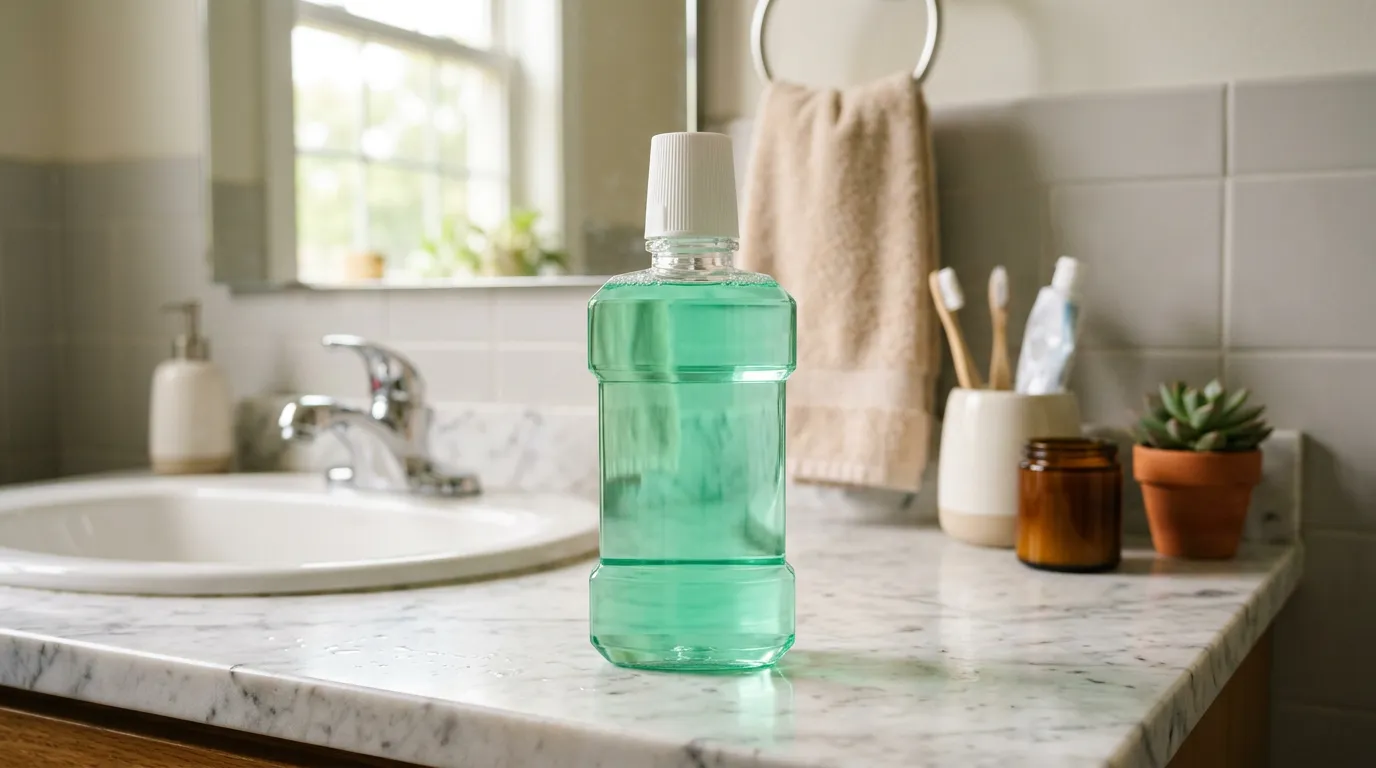
A mouthwash that leaves your breath feeling fresh can be a welcome part of your morning routine. But freshness is only one piece of oral health. Whether a rinse helps prevent cavities, reduce plaque, or support your gums depends on its active ingredients and how you use it.
Opti-Rinse is one option you may encounter when looking for an alcohol-free rinse. Before assuming that any mouthwash delivers all of these benefits, check the specific product label. A fluoride rinse has a different main purpose than an antibacterial rinse, even when both leave your mouth feeling clean.
For individuals and families in North Vancouver, understanding those differences can make daily dental care simpler. The goal is to choose a rinse that addresses a real need, feels comfortable, and fits alongside brushing, cleaning between teeth, and regular dental visits.
What Mouthwash Can and Cannot Do
Mouthwash reaches around the mouth, but it does not physically remove sticky plaque as effectively as brushing and interdental cleaning. Plaque is a bacterial biofilm that forms on teeth. When it remains near the gumline, it can contribute to inflammation. When plaque bacteria repeatedly produce acids after exposure to sugars, tooth decay can develop.
A therapeutic mouthwash may help address part of that process. Its role depends on the formulation.
Fluoride rinses primarily help prevent cavities by supporting enamel remineralization and making teeth more resistant to acid. Antibacterial rinses with appropriate active ingredients can help reduce plaque and gingivitis. Other rinses mainly provide temporary breath freshening.
These categories sometimes overlap, but they are not interchangeable. A minty taste does not establish that a product treats gum inflammation, and an alcohol-free label does not tell you whether it contains fluoride.
Think of mouthwash as an optional addition with a specific job. It cannot replace the daily work of disrupting plaque with a toothbrush and cleaning between teeth.
Understanding Opti-Rinse and Product Claims
When considering Opti-Rinse, start with the exact formulation rather than broad promises about mouthwash. Look for the active ingredient, its concentration, the intended age group, and the directions for use. Products with similar names may have different strengths or instructions.
If the formulation contains sodium fluoride, its main established benefit is cavity prevention. Fluoride helps repair early mineral loss in enamel before a cavity forms. It does not rebuild a tooth once a hole has developed.
Claims about fighting bacteria or reducing plaque require more detail. Some mouthwashes contain antibacterial ingredients, such as cetylpyridinium chloride, that can help manage plaque and gingivitis when used as directed. You should not assume that a fluoride rinse has the same effects unless its labeling supports those claims.
The same care applies to the phrase “supports gum health.” A rinse may be useful within a broader routine, but persistent bleeding, swelling, or tenderness needs assessment. Mouthwash cannot remove hardened tartar or treat all causes of gum disease.
Your dentist or dental hygienist can help interpret the label and explain whether the product addresses your particular concern.
Why Choose an Alcohol-Free Rinse?
Some people find alcohol-containing mouthwash unpleasant because of the burning sensation. An alcohol-free formula may be more comfortable, especially for someone who already has a sensitive mouth.
Comfort matters. A product that feels tolerable is easier to use consistently.
Still, alcohol-free does not automatically mean irritation-free. Flavorings, preservatives, and other ingredients may cause discomfort in some people. Strong mint flavors can sting even when no alcohol is present. If a rinse causes persistent burning, peeling tissue, or soreness, stop using it and seek advice.
What about dry mouth?
People with dry mouth may prefer an alcohol-free rinse, but not every alcohol-free product is designed to relieve dryness. Some are intended mainly for cavity prevention; others are formulated to lubricate oral tissues.
Dry mouth also deserves attention beyond product selection. Saliva helps buffer acids, clear food particles, and protect teeth. Reduced saliva can increase cavity risk and make eating or speaking uncomfortable.
Medications, certain health conditions, and cancer treatments can affect saliva production. A dental professional can help identify protective measures and recommend medical follow-up when appropriate.
Plaque, Bacteria, and Gum Health: What Matters Most
The phrase “fight bacteria” can sound as though a healthy mouth should be bacteria-free. It should not. The mouth naturally contains a diverse community of microorganisms.
The practical goal is to control harmful plaque buildup and maintain conditions that support healthy teeth and gums.
Brushing twice daily with fluoride toothpaste and cleaning between teeth are the foundation. Mouthwash may provide an extra benefit, but its effect depends on the ingredient, the person’s needs, and consistent use.
Consider someone whose gums bleed around the back teeth. An antibacterial rinse might help reduce inflammation in an appropriate treatment plan. However, if plaque remains between those teeth or tartar has accumulated below the gumline, rinsing alone will not solve the problem.
Professional cleaning and preventive dental care can help identify these issues and guide changes to the home routine. Sometimes a better-fitting interdental brush or a change in brushing technique is more useful than adding another product.
Healthy gums generally should not bleed during routine cleaning. Repeated bleeding is a reason to book an assessment, even if there is no pain.
Fresh Breath Is Helpful, but It Is Not a Health Test
Fresh breath can make conversations feel more comfortable. There is nothing wrong with enjoying that benefit.
The limitation is that a pleasant taste may temporarily cover an underlying issue. Bad breath can be associated with tongue coating, food trapped between teeth, gum disease, dry mouth, tobacco use, or other causes.
Gentle tongue cleaning and consistent interdental care may help when odor originates in the mouth. Drinking water can also help with temporary dryness, although it does not replace treatment for persistent dry mouth.
If bad breath keeps returning despite a thorough routine, ask your dentist to investigate. A cavity, a poorly fitting restoration, or gum inflammation may need treatment. If no dental cause is found, medical evaluation may be appropriate.
The reverse is also true: breath that smells fresh does not prove that teeth and gums are healthy.
How to Use Mouthwash Correctly
More mouthwash is not necessarily better. A stronger concentration, larger amount, or longer rinse time may increase unwanted effects without improving the result.
Use this simple process:
Read the label for the active ingredient, age restrictions, dose, frequency, and rinse time.
Measure the recommended amount using the supplied cap or another suitable measure.
Swish as directed, then spit out the rinse. Do not swallow it.
Follow any instructions about eating, drinking, or rinsing with water afterward.
Keep the bottle out of children’s reach.
Some fluoride rinses are intended for daily use, while others have different schedules. Do not assume that instructions for one formulation apply to another.
Should you rinse immediately after brushing?
After brushing with fluoride toothpaste, spit out the excess rather than rinsing it away with water. This leaves fluoride on the teeth.
Using mouthwash immediately afterward can wash away the more concentrated fluoride left by toothpaste. For many people, using a fluoride rinse at a separate time, such as after lunch, is a practical approach. Follow the product directions and any individualized advice from your dental professional.
Prescription rinses may have specific timing requirements. Those instructions take priority over a general routine.
Choosing a Rinse for Children and Teens
A child’s ability to spit reliably matters more than enthusiasm for a flavored rinse.
Mouthwash is generally not recommended for children younger than six unless a dental professional specifically directs its use. Older children still need to meet the product’s age requirements and be able to rinse without swallowing.
For a child at increased cavity risk, a fluoride rinse may be considered as part of a prevention plan. Pediatric dentistry guidance should account for the child’s cavity history, brushing habits, fluoride exposure, and ability to use the product safely.
Supervise use when needed, and avoid describing mouthwash as a treat. Alcohol-free products are still not intended to be swallowed.
Teens with braces may benefit from extra cavity protection, but a rinse cannot clean around brackets and wires by itself. Careful brushing and appropriate interdental tools remain necessary.
If someone swallows a concerning amount of mouthwash, contact a poison control service promptly for product-specific advice.
Adapting Oral Care for Different Needs
A standard swish-and-spit routine does not work for everyone. People with swallowing difficulties, limited motor control, cognitive disabilities, or strong sensory sensitivities may need a different approach.
Do not use a rinse if someone cannot safely control and spit out the liquid. Ask the dental team about alternatives, which may include adapted toothbrushes, caregiver-assisted brushing, or professionally applied fluoride.
For someone with sensory sensitivities, a milder flavor or less foaming may make oral care more manageable. Small adjustments can make a meaningful difference without adding unnecessary steps.
The best routine is one that is safe, practical, and repeatable. It should respect the person’s comfort and support needs rather than assume that everyone can use the same products in the same way.
Mouthwash Around Dental Treatment
People with crowns, bridges, or dental implants still need daily plaque control. The surrounding gum tissues can become inflamed, and mouthwash cannot replace cleaning around these areas.
After oral surgery, follow the treating clinician’s instructions closely. Vigorous rinsing too soon after an extraction can disturb the healing site. A prescribed rinse may have a specific start date and technique.
Mouthwash also cannot treat an infected tooth that needs endodontic care or repair a cavity that requires restorative dentistry. Temporary improvements in taste or breath do not mean the underlying problem has resolved.
If you are undergoing teeth whitening, mention any sensitivity or oral irritation before adding a rinse. Combining several products can make it harder to identify what is causing discomfort.
Build the Routine Around Your Actual Needs
Before choosing a mouthwash, ask what you want it to accomplish. Cavity prevention, plaque control, dry-mouth relief, and temporary breath freshening are different goals. One product may not address all of them.
An alcohol-free rinse can be a useful addition when its ingredients match your needs and you can use it safely. With Opti-Rinse or any other product, read the specific label rather than relying on broad claims about freshness, bacteria, or gum health.
Keep the foundation straightforward: brush with fluoride toothpaste, clean between teeth, and arrange dental visits based on your individual needs. Then add a rinse if it has a clear purpose. A comfortable routine with the right tools is more valuable than a crowded bathroom shelf.